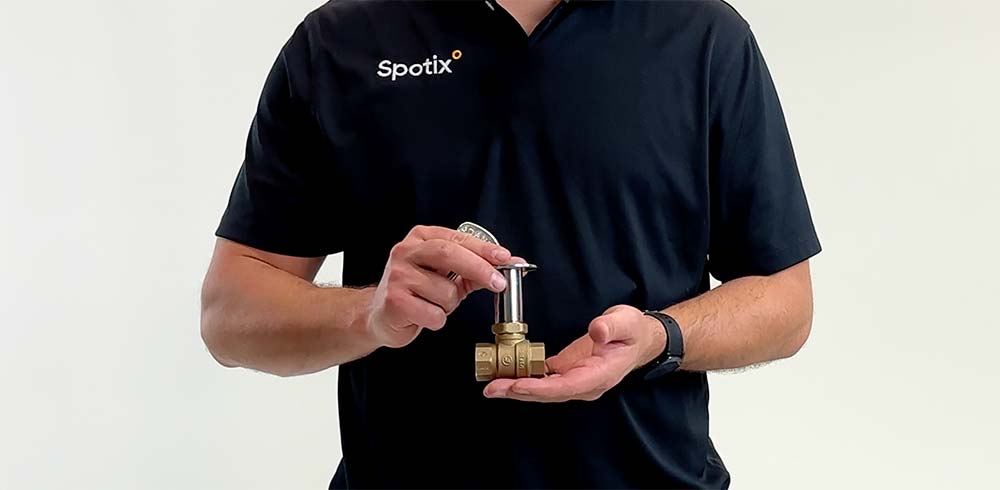
Most gas fire pits use either a 1/2-inch or 3/4-inch key valve. The correct size depends on your burner’s BTU rating, gas line size, fuel type, and installation layout. In general, smaller residential fire pits often use 1/2-inch valves, while larger burners and higher-BTU systems may require 3/4-inch valves.
Choosing the correct key valve size for your fire pit is essential for safe, efficient operation. The right gas shut-off valve controls the flow of gas to your burner, allowing you to turn the fire pit on or off and adjust flame size based on your setup.
Because key valve sizing affects gas flow, flame performance, and compatibility with your burner system, it’s important to choose the right size before installation begins.
What Does a Fire Pit Key Valve Do?
A fire pit key valve controls the flow of gas to a gas fire pit burner. It is often called a gas shut off valve because it allows you to open or close the gas supply manually using a removable key.
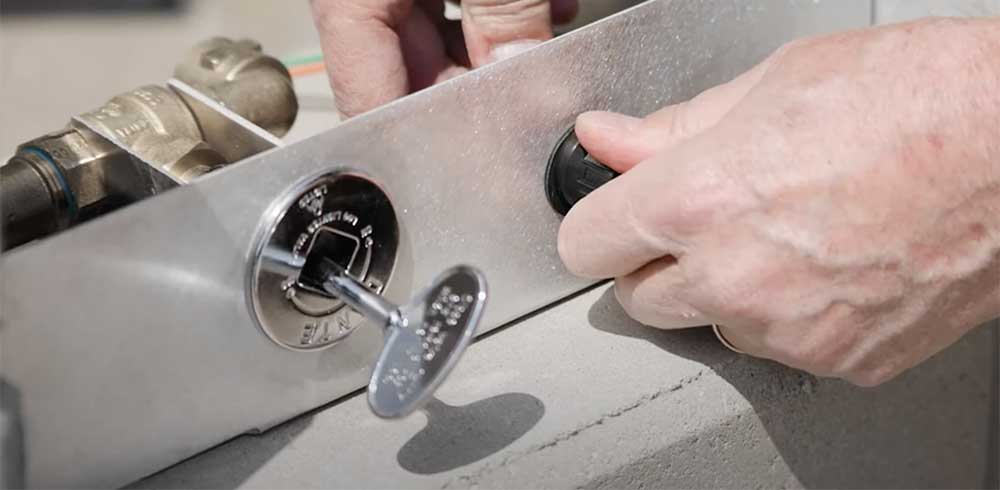
The key fits into the valve and turns to adjust gas flow. Turning the key opens or closes the valve, allowing you to control the flame size and shut the gas supply off when the fire pit is not in use. Because the key can be removed, the valve also helps prevent accidental or unauthorized operation.
Why Key Valve Size Matters

When selecting a key valve for your fire pit, size matters because the valve must allow enough gas to reach the burner. An undersized valve can restrict gas flow, which may result in a weak flame, inconsistent performance, or reduced heat output.
Compatibility is also important. The valve size should match the gas supply line, burner requirements, and installation components. Mismatched fire pit components can create pressure issues, limit performance, or make installation more difficult.
Safety is another key factor. A properly sized and properly installed valve gives you reliable control over the gas supply and helps support safe operation. Always follow manufacturer instructions, local building codes, and the recommendations of a licensed gas professional.
Common Fire Pit Key Valve Sizes
The most common gas fire pit key valve sizes are 1/2 inch and 3/4 inch. The right option depends on the burner’s BTU rating and the gas supply requirements for your system.
| Key Valve Size | Typical Use | General BTU Guidance | Best For |
|---|---|---|---|
| 1/2-Inch Key Valve | Standard residential fire pits | Often used for burners below 249,000 BTU, depending on the kit and manufacturer. | Smaller to mid-size fire pits with standard gas flow needs. |
| 3/4-Inch Key Valve | Larger fire pits and higher-output burners | Often used for burners above 249,000 BTU, depending on the kit and manufacturer. | Large burners, custom fire pits, and higher BTU systems. |
These BTU ranges are helpful guidelines, but they should not replace the manufacturer’s specifications for your exact burner, valve, and installation kit. Gas line length, pipe diameter, fuel type, and supply pressure can all affect final sizing.
How to Determine the Correct Key Valve Size
To choose the right valve size, start with the burner and work backward through the gas system. The burner’s BTU demand determines how much gas the system needs to deliver, and the valve, flex line, and supply line must be sized to support that demand.
1. Check Your Burner BTU Rating
Your fire pit burner will list a BTU rating. This number tells you how much gas the burner needs to operate as intended. Higher BTU burners generally require larger gas lines, larger flex lines, and larger valves.
If your burner is below 249,000 BTU, a 1/2-inch key valve or compatible installation kit may be appropriate. If your burner is above 249,000 BTU, a 3/4-inch key valve or larger-capacity kit is often recommended.
2. Match the Gas Supply Line Size
Measure the diameter of your current gas supply line. In many installations, the valve size should match the pipe size to ensure proper fitting and gas flow. For larger fire pits, it may be necessary to upgrade to larger gas lines or flex lines to provide enough gas for optimal performance.
If the supply line is too small, installing a larger valve by itself will not solve the issue. The full gas delivery system must be sized correctly from the source to the burner.
3. Consider Natural Gas vs. Propane
Natural gas and propane systems operate differently, so fuel type should be considered during valve selection. Natural gas systems often require more volume, while propane systems operate at different pressures and may require additional components such as an air mixer.
The key valve itself may be compatible with both fuel types depending on the product, but the full fire pit system must be designed for the fuel you plan to use.
4. Account for Gas Line Length and Layout
Gas pressure drops as it travels from the source to the fire pit. A long gas line run, multiple fittings, sharp bends, or undersized pipe can reduce the amount of gas available at the burner.
This is why two fire pits with the same burner may not always use the same valve setup. A licensed gas professional can help confirm whether your gas line, valve, and flex line are properly sized for your installation.
Key Valve Installation Considerations
Key valve size is only one part of a successful installation. You’ll also want to think about placement, access, wall thickness, and key length.
- Valve placement: The key valve should be easy to reach so you can quickly turn the gas supply on or off.
- Enclosure thickness: Thick stone, block, or paver walls may require a flange extension.
- Key length: Deeper installations may require a longer valve key to reach the valve.
- Service access: Gas connections should remain accessible for inspection and maintenance.
- Local codes: Always follow local gas codes and manufacturer requirements.
For custom fire pit builds, it’s usually best to plan the valve location before the enclosure is finished. This helps avoid awkward access points, recessed valves, or key lengths that are too short for the finished wall depth.
Common Key Valve Sizing Mistakes to Avoid
- Choosing the valve before choosing the burner: Always size the valve based on burner BTU requirements.
- Assuming bigger is always better: A larger valve will not fix an undersized gas line or poor supply pressure.
- Ignoring total gas line length: Long gas runs can reduce available pressure at the fire pit.
- Mismatching components: The valve, flex line, burner, and gas supply should work together as a complete system.
- Installing the valve in an inaccessible location: You should be able to reach the key valve quickly and comfortably.
- Forgetting key length: Thick enclosures may require longer keys or flange extensions.
Frequently Asked Questions
What size key valve is most common for a gas fire pit?
Many residential gas fire pits use a 1/2-inch key valve, but larger burners and higher-BTU systems may require a 3/4-inch valve.
Does key valve size affect flame height?
Yes. If the valve is too small for the burner’s gas demand, it can restrict flow and reduce flame height. However, flame height also depends on gas line sizing, pressure, burner design, and fuel type.
Can I use a larger key valve than my gas line?
A larger key valve will not increase performance if the gas supply line is too small. The entire gas delivery system must be sized correctly.
Do propane and natural gas fire pits use different key valves?
Some key valves can be used with either fuel type, but the full fire pit system must be configured for natural gas or propane. Always confirm compatibility with the product specifications.
Do I need a flange extension for my key valve?
You may need a flange extension if your fire pit enclosure wall is too thick for the valve flange to mount properly on the exterior surface.
Final Thoughts
Choosing the correct key valve size for your fire pit starts with your burner’s BTU rating, gas supply line size, fuel type, and installation layout. For many residential fire pits, a 1/2-inch key valve is common. For larger burners or higher-output systems, a 3/4-inch key valve may be the better choice.
If you need help choosing compatible valves and keys, flex lines, flange extensions, or other gas fire pit components, contact our product specialists for expert guidance.