Quick Answer: A key valve is a manual gas control valve that allows you to turn your fire pit on and off using a removable key. It controls the flow of gas to the burner and is one of the most common ignition methods for outdoor gas fire features.
Understanding the components of your fire pit is essential for safe and efficient operation. One crucial element is the key valve, a vital part of the gas control system.
What is a Key Valve?

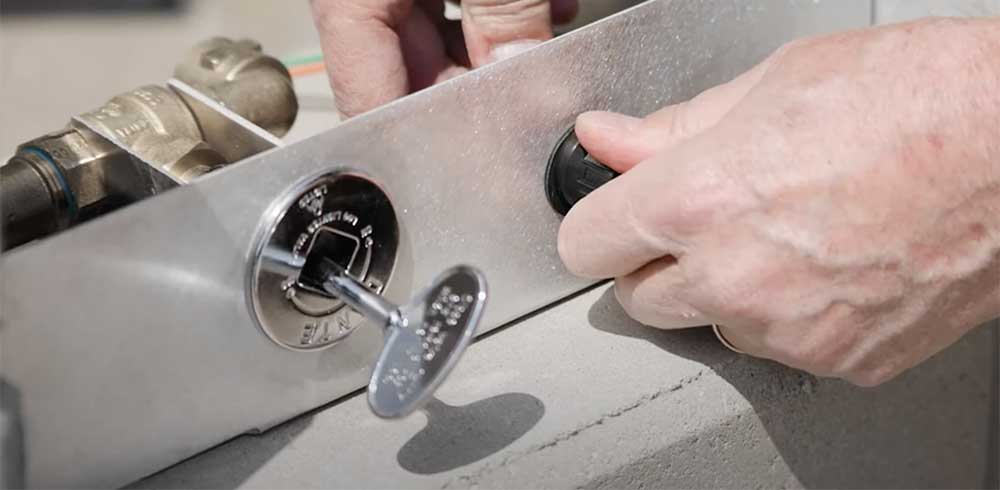
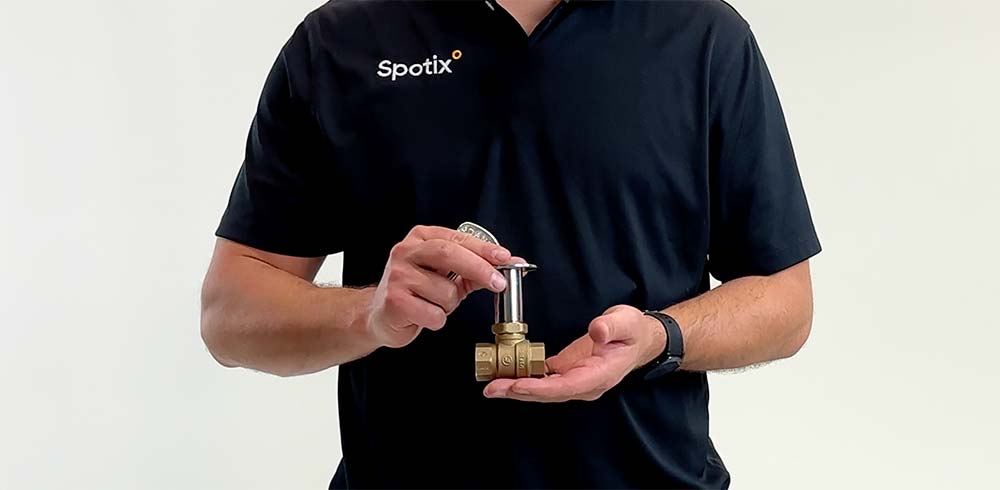
A key valve controls the flow of gas to a fire feature. It’s often referred to as a “shut-off valve” and is a crucial safety feature that allows you to easily turn the gas supply on and off. The valve gets its name from the key-like tool that is used to operate it. The key, typically made of metal, fits into the valve’s keyhole, enabling the user to control the gas flow easily.
Designers create key valves to be tamper-resistant, so without the key, you cannot easily open or close the valve. This adds an extra layer of security, preventing unauthorized access or accidental operation of the gas supply.
How Does a Key Valve Work?
The operation of a key valve is simple but highly effective. It works by manually controlling the flow of gas to your fire pit burner using a removable key.
- Insert the key into the valve’s keyhole (typically located on the side of the fire pit or nearby structure)
- Turn the key counterclockwise to open the valve and allow gas to flow
- Light the burner with a match or lighter
- Adjust the flame by slightly turning the key to control gas flow
- Turn the key clockwise to shut off the gas completely
The degree to which you turn the key directly controls the size and intensity of the flame, allowing for precise adjustments. Removing the key effectively locks the valve in its current position, helping prevent accidental adjustments or unauthorized use.
Key Valve vs. Other Fire Pit Ignition Systems
- Key Valve: Manual ignition, simple and reliable
- Push Button Ignition: Built-in spark ignition system
- Electronic Ignition: Turn on with a switch or remote
Key valves are often preferred for their simplicity and durability, especially in outdoor environments where reliability is important.
Where Is a Key Valve Located?
A key valve can be installed in a few different locations depending on the fire pit setup, but it is always placed somewhere that allows for easy access and safe operation.

On the Fire Pit Structure:
Often built into the side or front of the fire pit, typically recessed so only the keyhole is visible. This keeps the design clean while maintaining accessibility.

In a Dedicated Valve Box:
Some setups use a separate valve box installed near the fire pit. These can be concealed within landscaping or hardscaping for a more discreet look.

On the Gas Line:
In more complex installations, the key valve may be installed directly on the gas line, especially if the gas line runs underground or through a wall.
Regardless of its location, the key valve should always be easy to reach for quick access and safe operation.
Are Key Valves Safe?
Yes, key valves are a safe and widely used method for controlling gas flow in fire pits when installed correctly. Because the valve remains closed when not in use and requires a removable key to operate, it adds an extra layer of control and safety.
As with any gas component, proper installation and regular inspection are important to ensure safe operation.
Common Key Valve Issues
- Valve becomes difficult to turn over time
- Dirt or debris blocking the keyhole
- Gas flow feels inconsistent
Regular cleaning and proper installation can help prevent most of these issues.
Why Use a Key Valve?

The primary reason for using a key valve is safety. By allowing you to quickly shut off the gas supply, a key valve helps prevent gas leaks, fires, or explosions. Moreover, its tamper-resistant design prevents accidental gas activation or shutdown without the key, significantly reducing the risk of accidents.
In addition to safety, a key valve offers precise control over the gas flow, allowing you to adjust the flame to your desired level. This level of control improves the overall user experience, enabling you to create the perfect ambiance.
Furthermore, the ease of use provided by a key valve makes operating your fire pit a breeze. With just a simple turn of the key, you can start or stop your fire pit, making it convenient for both regular use and emergency situations.
Additionally, brass or stainless steel typically make up key valves, ensuring they can withstand the elements and provide reliable operation for years. This durability makes them a long-term investment in the safety and functionality of your fire pit.
Finally, when you remove the key, the valve is effectively locked in its current position, preventing accidental adjustments or unauthorized use.
Frequently Asked Questions about Key Valves
What size key valve do I need for my fire pit or fireplace?
Key valve size should be matched to your gas line diameter and the BTU demand of your fire feature, with 1/2" and 3/4" being among the most common sizes. Undersizing a valve can restrict gas flow and affect burner performance, especially on higher-BTU fire pits. Always confirm the required valve size against your system's total BTU load before ordering.
How do I know if my key valve is properly sized for my system?
A properly sized key valve should allow adequate gas flow to meet your fire feature's BTU requirements without creating a pressure drop. Adding up the BTU ratings of all appliances connected to the same gas line helps determine the correct valve and pipe sizing. Consulting a licensed professional or referencing manufacturer sizing charts can help avoid undersized installations.
How should a key valve be installed for a fire pit or fireplace?
Key valves should be installed in an accessible location, typically through a wall, floor, or nearby surface, and connected according to local gas code requirements. Installation should always be handled by a licensed professional to ensure proper sealing, orientation, and code compliance. A cover or trim plate is typically installed afterward to conceal the valve stem and protect it from debris.
How often should a key valve be inspected or maintained?
Key valves should be inspected at least once a year, checking for smooth operation, leaks, and any signs of corrosion around the valve stem or fittings. A soapy water test can help identify small leaks at the valve connection points. Regular inspection helps ensure the valve continues to shut off gas flow completely and safely when needed.
What maintenance issues are common with key valves over time?
Common key valve issues include stiff or hard-to-turn operation, corrosion around the stem, and debris buildup within the cover plate opening. Lubricating the valve as recommended by the manufacturer can help maintain smooth operation over time. If a valve becomes difficult to operate or shows signs of leaking, it should be inspected or replaced by a professional promptly.
Final Thoughts on Key Valves
A key valve is a simple yet essential component of any gas fire pit, providing safe and reliable control over gas flow. By understanding how it works and where it’s located, you can ensure your fire pit operates efficiently and safely.
For additional help selecting valves, ignition systems, or compatible fire pit components, contact our product specialists for expert guidance tailored to your setup.