.png)
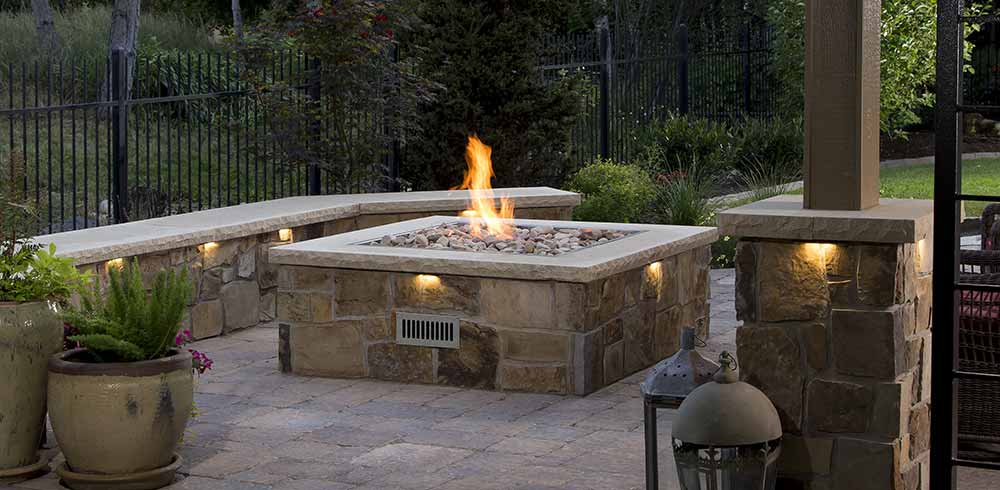
Buying a fire pit is about more than choosing the design that looks best on your patio. The most common fire pit buying mistakes include choosing the wrong fuel type or size, overlooking clearance requirements, focusing too heavily on BTUs, and failing to account for wind, weather, installation, and required components.
Planning these details before you buy can help you choose a fire pit that fits your outdoor space, performs the way you expect, and works with your fuel source and installation requirements. If you're shopping for your first fire feature, here are 11 common mistakes to avoid before choosing an outdoor fire pit.
Common Fire Pit Buying Mistakes at a Glance
| Mistake | Why It Matters | What to Do Instead |
|---|---|---|
| Not checking local requirements | Fuel types, placement, and use may be restricted | Check local codes and HOA requirements first |
| Choosing the wrong fuel | Fuel affects installation, convenience, and the fire experience | Compare wood, propane, and natural gas before shopping |
| Buying the wrong size | A poorly sized fire pit can overwhelm the space or feel undersized | Measure the entire seating area before buying |
| Ignoring clearances | Nearby combustible materials can make a location unsuitable | Follow manufacturer and local clearance requirements |
| Shopping by BTUs alone | A larger BTU rating does not tell the whole performance story | Consider burner design, fire pit size, fuel supply, and environment |
| Forgetting about wind | Wind can disrupt flame appearance and performance | Consider placement and a compatible wind guard |
| Choosing looks over durability | Outdoor materials face sun, rain, temperature changes, and other elements | Choose materials suited to your environment |
| Ignoring weather protection | Water and debris can collect around fire pit components | Plan for drainage and appropriate covers |
| Not checking what's included | Burners, controls, media, and other components may be separate | Review the complete component list before ordering |
| Taking on the wrong DIY project | Gas and electrical work may require qualified professionals | Plan professional work before beginning the project |
| Buying based on price alone | Initial price does not reflect construction, components, or support | Compare overall quality and long-term value |
1. Not Checking Local Requirements Before Buying a Fire Pit
One of the easiest mistakes to avoid happens before you even start comparing fire pits. Local regulations can affect the type of fire feature you can install, where you can place it, and when you can use it.
Requirements may vary based on fuel type, property location, fire conditions, and the type of installation. Homeowners associations may have additional rules governing outdoor fire features.
Before buying, check applicable local codes, fire regulations, burn restrictions, permit requirements, and HOA rules. If you're planning a permanent gas installation, it is especially helpful to understand these requirements before purchasing equipment or running a gas line.
How to avoid this mistake: Start with your local requirements, then shop for a fire pit that works within them. It is much easier than choosing your ideal fire pit first and discovering later that your planned installation needs to change.
.jpg)
2. Choosing the Wrong Fire Pit Fuel Type
Wood, propane, and natural gas can all create an excellent outdoor fire, but they provide very different ownership experiences. Choosing based entirely on flame appearance or convenience without considering the installation can lead to frustration later.
Wood-Burning Fire Pits
A wood-burning fire pit provides the traditional crackle, aroma, and experience of a real wood fire. However, you'll need a supply of seasoned firewood along with a place to store it, and you'll have ash and debris to clean after use.
Propane Fire Pits
A propane fire pit provides gas convenience without requiring a permanent natural gas connection. Depending on the fire pit, the propane tank may be concealed within the enclosure or located separately according to the manufacturer's requirements.
The tradeoff is that propane eventually needs to be refilled or replaced.
Natural Gas Fire Pits
A natural gas fire pit connects to a permanent natural gas supply. This can be especially convenient for a fire pit that will remain in one location because there is no portable fuel tank to refill.
However, installation is less flexible because the fire pit needs access to an appropriately sized gas supply, and gas-line work should be handled by a qualified professional.
How to avoid this mistake: Decide where the fire pit will go and how you want to use it before choosing the fuel. Think about fuel availability, installation, portability, maintenance, and the type of fire experience you prefer.
3. Buying the Wrong Size Fire Pit
A fire pit should feel proportional to the outdoor living area around it. Bigger is not automatically better.
An oversized fire pit can dominate a small patio and make it difficult to arrange seating while maintaining required clearances. Go too small, and the fire feature may feel visually lost in a large outdoor entertaining area.
Do not measure only the empty spot where you plan to put the fire pit. Think about the entire usable area, including:
- The dimensions of the fire pit
- Required clearances
- Chairs and other outdoor furniture
- Walking paths around the seating area
- Doors, stairs, and other access points
- Nearby landscaping and structures
- How many people you typically want to seat around the fire
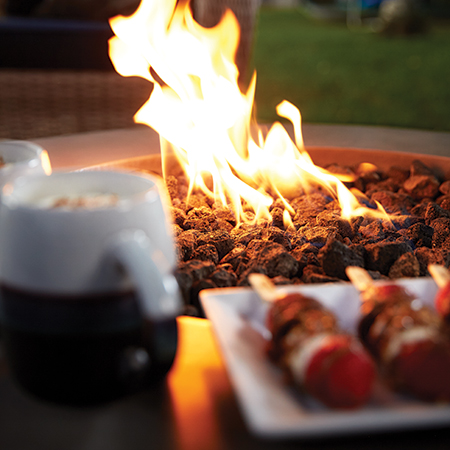
A fire pit table also needs to function as furniture. Consider whether users will have enough space to sit comfortably and use the tabletop without making the seating arrangement feel crowded.
How to avoid this mistake: Measure the entire outdoor seating area rather than just the fire pit footprint. Mapping out the proposed dimensions before ordering can help you visualize how much usable space will remain.
4. Ignoring Fire Pit Clearance Requirements
Finding a fire pit that physically fits your patio does not necessarily mean the location is suitable for it.
Fire pits need appropriate clearance from combustible materials and surrounding objects. Required distances vary by product and installation, so there is no single clearance measurement that applies to every fire pit.
Depending on the installation, you may need to account for:
- Your home's exterior
- Decking and other combustible surfaces
- Patio furniture
- Fences
- Overhanging branches
- Pergolas and patio covers
- Umbrellas
- Other nearby combustible materials
This is particularly important if you want to place a fire pit beneath or near an overhead structure. Do not assume an outdoor location automatically provides sufficient ventilation or clearance.
How to avoid this mistake: Review the manufacturer's installation instructions and clearance requirements for the specific fire pit you are considering. Your installation must also comply with applicable local requirements.
.jpg)
5. Assuming More BTUs Always Means a Better Fire Pit
BTU, or British Thermal Unit, is a measurement of heat energy. You'll see a BTU rating on gas fire pits and gas fire pit burners, making it an easy specification to compare.
The mistake is assuming that the fire pit with the largest number is automatically the best performer for your space.
BTU ratings are useful, but they do not tell the entire story. Your experience around a gas fire pit can also be influenced by:
- Burner size and design
- Fire pit dimensions
- Flame pattern
- Fuel supply
- Fire media arrangement
- Wind exposure
- Outdoor temperature
- How close the seating is to the fire
A properly designed fire pit with an appropriate burner and fuel supply may be a much better fit for your patio than simply choosing the highest BTU rating you can find.
How to avoid this mistake: Treat BTUs as one specification, not the entire buying decision. Match the burner and fire pit to your installation, fuel supply, space, and desired flame experience.
.jpg)
6. Forgetting How Wind Can Affect Your Fire Pit
Fire pits live outdoors, so even a well-designed burner has to contend with the weather. Wind is one factor first-time buyers can easily overlook.
A breezy location can push flames to one side, make the flame pattern appear inconsistent, and affect your overall experience around the fire. This is especially worth considering on exposed patios, rooftops, open yards, and other areas that regularly experience crosswinds.
Placement should be your first consideration. Look at the typical wind direction around your outdoor space and follow all manufacturer requirements when choosing the fire pit location.
For compatible gas fire features, a glass wind guard can help protect the flame from wind while maintaining visibility. Wind guards can also create a useful barrier between the flame area and the usable portion of a fire table.
How to avoid this mistake: Consider wind exposure before choosing the fire pit's location and determine whether a compatible wind guard would be useful for your setup.
7. Choosing Looks Without Considering Fire Pit Materials
Appearance matters. A fire pit often becomes the focal point of an outdoor living space, so it should complement the surrounding patio, furniture, landscaping, and architecture.
But a finish you love in a product photo may not necessarily be the best material for your environment.
Outdoor fire pits can be exposed to sunlight, rain, snow, moisture, temperature changes, and other environmental conditions. Construction materials respond to those conditions differently.
Depending on the fire pit, you may encounter materials such as:
- Stainless steel: A popular option for outdoor applications because of its durability and corrosion resistance, with the specific grade affecting performance in demanding environments.
- Aluminum: Lightweight and naturally resistant to rust, making it useful for many outdoor applications.
- Concrete: Offers substantial construction and a wide range of contemporary designs, finishes, and textures.
- Weathering steel: Designed to develop a distinctive protective patina that changes the appearance of the fire pit over time.
- Other masonry and composite materials: Can provide different appearances and outdoor performance characteristics depending on their construction.
Materials and finishes can naturally change with outdoor exposure, so check the manufacturer's care instructions if maintaining a particular appearance is important to you.
How to avoid this mistake: Choose your style and material together. Consider your climate, where the fire pit will sit, how exposed it will be, and how much maintenance you're willing to perform.
.jpg)
8. Overlooking Drainage and Weather Protection
Your fire pit may spend far more time sitting outside than it does burning. That makes weather protection an important part of the buying decision.
Rainwater and debris should not be allowed to accumulate around burners, ignition components, or inside an enclosure. The exact drainage and protection requirements depend on the fire pit, so follow the manufacturer's installation and maintenance instructions.
It is also worth planning how you will protect the fire pit when it is not being used.
Soft Fire Pit Covers
Soft covers can protect the overall fire pit from weather, dirt, leaves, and other outdoor debris while the unit is not in use. The correct cover should be sized and designed appropriately for the fire pit.
Metal Burner Covers
Metal burner covers sit over the burner area on compatible fire features. In addition to helping protect the burner and fire media when the fire pit is not operating, some designs create additional usable tabletop space.
These two products serve different purposes, and depending on the fire pit, you may find one or both useful.
How to avoid this mistake: Plan for drainage and weather protection when you're choosing the fire pit rather than after the first storm rolls through. Follow the manufacturer's recommendations for covering and maintaining the unit.
9. Not Checking What's Included With Your Fire Pit
One of the most frustrating buying mistakes is receiving your order and realizing you still need additional components before you can complete the fire feature.
This is particularly important for custom and DIY gas fire pit projects. A burner, burner pan, ignition system, controls, fittings, enclosure, and decorative media are separate components in many installations.
For example, shoppers building a custom fire feature may purchase a gas fire pit burner and select the remaining compatible components separately. A gas fire pit kit, on the other hand, can bundle multiple components needed for a project, although exactly what is included varies by kit.
Even a more complete fire pit may require or offer additional accessories.
Before ordering, check whether you need:
- Burner or burner pan
- Ignition and control components
- Gas fittings or connections
- Regulator or hose where applicable
- Decorative fire pit media
- Wind guard
- Burner cover
- Protective soft cover
- Other manufacturer-required installation components
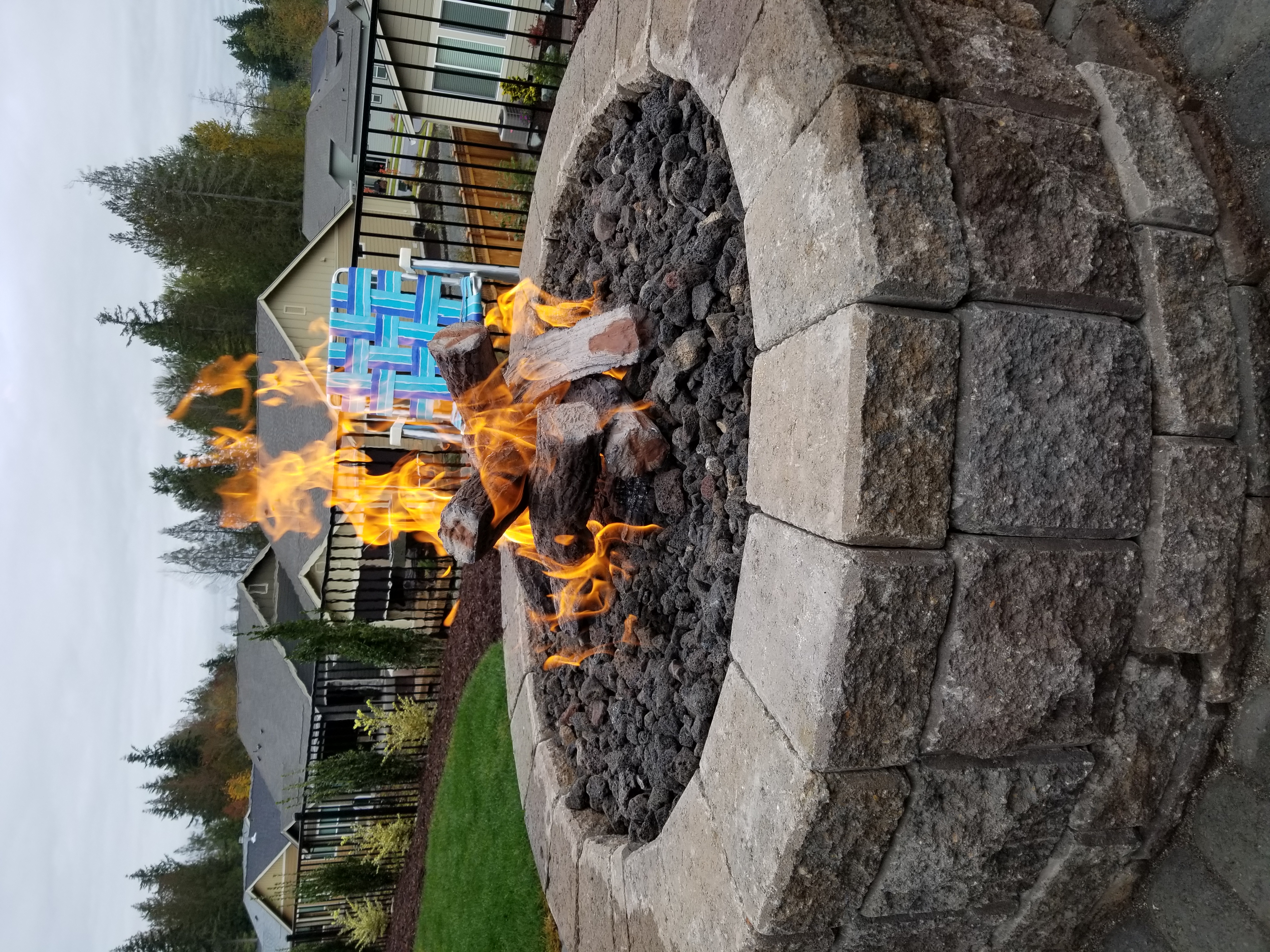
Fire glass, lava rock, gas logs, and other fire media also need to be compatible with the burner and installed according to manufacturer requirements. More media is not necessarily better.
How to avoid this mistake: Read the product's included-components list and installation requirements before ordering. If you're assembling a custom system, make sure every component is compatible rather than assuming parts can be mixed and matched.
10. Trying to DIY an Installation That Needs a Professional
There are plenty of opportunities for homeowners and experienced DIYers to take part in building an outdoor fire feature. The mistake is assuming that every part of the project should be DIY.
Gas-line connections require particular care. Proper fuel supply, line sizing, pressure, shutoff placement, connections, testing, and local requirements all affect the finished installation.
Firepits Direct recommends using a qualified professional for gas-line connections. Depending on the project and local requirements, electrical work and other portions of the installation may also need to be completed by a licensed professional.
This does not mean you cannot take an active role in planning or building your outdoor space. It simply means professional work should be identified at the beginning of the project rather than after you've already purchased equipment or started construction.
How to avoid this mistake: Read the installation manual before purchasing the fire pit or components. Identify which portions you can complete yourself and arrange for qualified professionals where required.
11. Buying a Fire Pit Based on Price Alone
Price matters, but the lowest purchase price does not necessarily represent the best long-term value. At the same time, a higher price tag by itself does not guarantee that a fire pit is right for your project.
Compare what you are actually getting for your money.
Factors that can influence the overall value of a fire pit include:
- Construction materials
- Burner material and construction
- Ignition and control components
- Overall fit and finish
- Weather resistance
- Included components and accessories
- Manufacturer warranty
- Availability of replacement parts
- Manufacturer and retailer support
A less expensive fire pit may be perfectly suitable for some spaces. In other installations, spending more for better materials, components, or features may provide greater value over the life of the fire pit.
How to avoid this mistake: Compare fire pits based on the features and construction that matter for your project rather than price alone. The goal is not to buy the most expensive fire pit. It is to buy the right one.
What to Know Before Buying a Fire Pit
Before ordering an outdoor fire pit, run through this quick checklist:
- Check local requirements. Confirm applicable fire regulations, fuel restrictions, permits, and HOA rules.
- Choose your fuel. Decide between wood, natural gas, and propane based on your property and preferences.
- Measure your space. Account for the fire pit, seating, walkways, and required clearances.
- Check clearances. Follow the manufacturer's requirements for combustible materials and surrounding structures.
- Consider performance. Look beyond BTUs and consider burner design, fire pit size, fuel supply, and the outdoor environment.
- Evaluate wind exposure. Choose the location carefully and determine whether a compatible wind guard would help.
- Choose an appropriate material. Think about climate, weather exposure, appearance, and maintenance.
- Plan for weather. Confirm drainage requirements and determine how you'll protect the fire pit when it isn't being used.
- Review what's included. Make sure you know which components, fire media, and accessories are included or sold separately.
- Plan the installation. Determine which work can be DIY and where qualified professionals are needed.
- Compare overall value. Consider construction, components, warranty, support, and long-term ownership rather than price alone.
Working through these questions first will make it much easier to narrow the selection of outdoor fire pits to models that actually make sense for your space.
Frequently Asked Questions About Buying a Fire Pit
How Do I Choose the Right Size Fire Pit?
Start by measuring the entire area where you plan to create your fire pit seating arrangement. Account for the dimensions of the fire pit, manufacturer-required clearances, furniture, and comfortable walking space. The right fire pit should feel proportional to the patio without making the surrounding area difficult to use.
How Many BTUs Should a Fire Pit Have?
There is no single BTU rating that is best for every fire pit. The appropriate output depends on factors such as burner size and design, fire pit dimensions, fuel supply, outdoor conditions, and the experience you want. Use BTUs as one comparison point rather than choosing a fire pit based on the highest rating alone.
Is Propane or Natural Gas Better for a Fire Pit?
Neither fuel is universally better. Propane provides more placement flexibility because it does not require a permanent natural gas connection, while natural gas can be convenient for a permanent installation with an existing or professionally installed gas supply. The better option depends on your property and how you plan to use the fire pit.
How Far Should a Fire Pit Be From a House?
Required fire pit clearances vary by product, fuel type, installation, and local requirements. Follow the clearance specifications provided by the fire pit manufacturer along with applicable local codes rather than relying on one universal distance.
Do I Need a Permit for a Fire Pit?
Permit and installation requirements vary by location and project type. Permanent gas lines, electrical work, and built-in fire features may have different requirements than portable fire pits. Check with your local authority before beginning the project.
What Should I Put Under a Fire Pit?
The appropriate surface depends on the specific fire pit and its installation requirements. Some fire pits are approved for particular noncombustible surfaces, while other installations may require additional protection or clearances. Always follow the manufacturer's instructions for the surface beneath your fire pit.
Final Thoughts
The best fire pit for your backyard is not necessarily the biggest, hottest, or most expensive option. It is the one that works with your available space, preferred fuel, installation requirements, outdoor environment, and the way you plan to use it. Taking time to check these details before purchasing can help you avoid common fire pit buying mistakes and create an outdoor gathering space you'll enjoy for years.
Explore our complete selection of outdoor fire pits to compare available styles, fuel types, sizes, and designs. If you need help choosing the right product, planning your project, or finding compatible components, contact our product specialists for expert guidance.
Here’s the matching FAQ schema to add at the end of the article code while keeping the visible FAQ section in place.