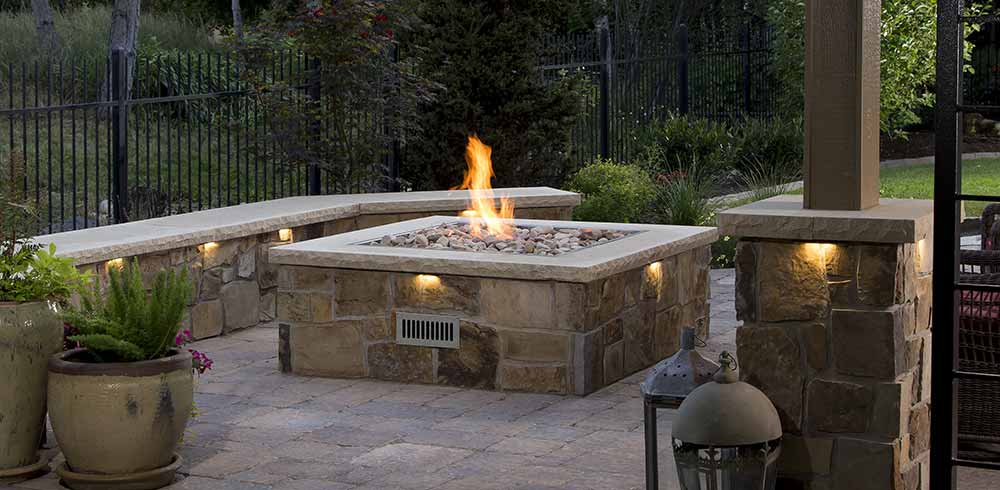
The best fire pit for your outdoor space depends on your preferred fuel type, patio size, design style, and how you plan to use the fire feature. Whether you're creating a cozy backyard gathering area, upgrading a luxury patio, or designing a complete outdoor kitchen and entertainment space, the right fire pit can dramatically improve both the comfort and appearance of your outdoor living area.
Modern fire pits are available in a huge variety of styles, fuel types, shapes, and installation options. From traditional wood-burning fire pits to sleek gas fire tables and fully customized DIY burner systems, there are solutions for nearly every patio layout and budget.
In this ultimate fire pit buying guide, we’ll compare the most popular fire pit options, explain important buying considerations, discuss fuel types and accessories, and help you choose the best fire feature for your outdoor space.
| Fire Pit Type | Best For | Fuel Type | Main Benefit |
|---|---|---|---|
| Wood Fire Pits | Traditional backyard fires | Wood | Classic campfire atmosphere |
| Gas Fire Pits | Convenient outdoor heating | Natural gas or propane | Easy operation |
| Fire Pit Tables | Entertaining spaces | Natural gas or propane | Combines fire and functionality |
| DIY Fire Pit Kits | Custom projects | Natural gas or propane | Customization flexibility |
How to Choose the Right Fire Pit
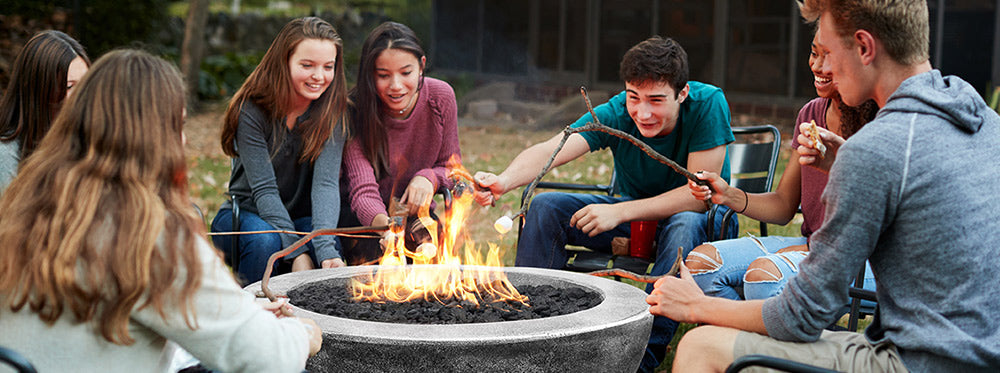
Before choosing a fire pit, it’s important to think about how you’ll actually use the space.
Questions to consider include:
- Do you prefer wood-burning or gas convenience?
- Will the fire pit be portable or permanent?
- How much patio space is available?
- Will the fire feature be used primarily for heat or ambiance?
- Do you want a modern or traditional appearance?
- Will the fire pit be used for entertaining?
Other important considerations include fuel availability, seating layout, HOA restrictions, wind exposure, and whether the installation will be DIY or professionally built.
Need help narrowing down your options? Our product specialists can help compare fire pit styles, fuel types, ignition systems, and compatible accessories for your outdoor space.
Wood Fire Pits vs Gas Fire Pits
| Feature | Wood Fire Pit | Gas Fire Pit |
|---|---|---|
| Atmosphere | Traditional campfire feel | Modern clean-burning flames |
| Convenience | Manual fire building | Instant ignition |
| Cleanup | Ash and soot removal | Minimal maintenance |
| Smoke | Heavy smoke possible | Clean-burning flames |
Wood-burning fire pits are ideal for homeowners who enjoy the classic crackling campfire experience, while gas fire pits are popular for convenience, lower maintenance, and cleaner operation.
Wood-Burning Fire Pits
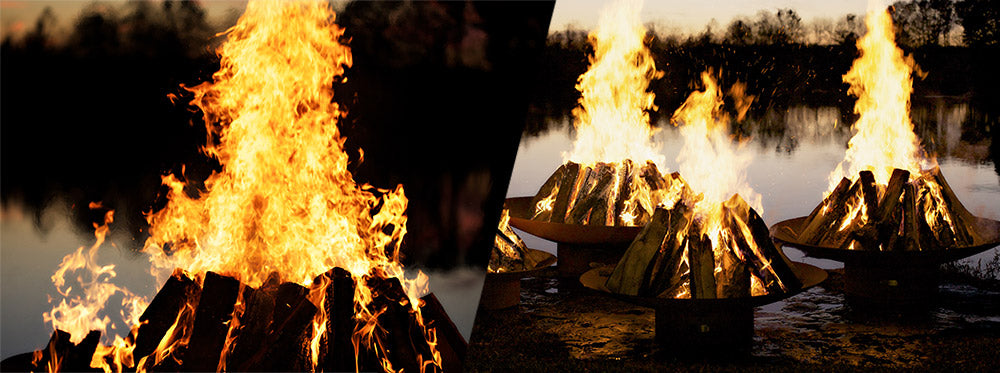
Wood-burning fire pits are the traditional outdoor fire feature and remain popular for homeowners who enjoy the authentic campfire experience.
These fire pits typically use metal, stone, or concrete enclosures to contain burning firewood while creating warmth and ambiance.
Benefits of Wood Fire Pits
- Simple setup: No gas lines or ignition systems required
- Strong heat output: Wood fires often produce intense heat
- Classic ambiance: Crackling logs and natural flames create a traditional atmosphere
- Affordable fuel: Firewood is widely available in many areas
Gas Fire Pits
Gas fire pits provide a more modern outdoor fire experience with easy ignition, controlled flames, and minimal maintenance.
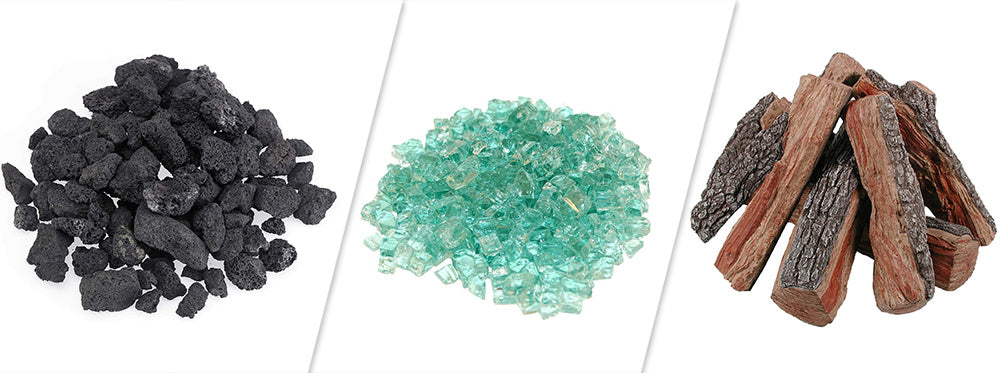
Most gas fire pits use either propane or natural gas and feature burners paired with decorative media such as fire glass, lava rock, or ceramic logs.
Benefits of Gas Fire Pits
- Convenient operation: Instant flames with minimal effort
- Cleaner burning: No ash or heavy smoke
- Safer flame control: Controlled burners improve consistency
- Modern appearance: Great for contemporary patios
Propane vs Natural Gas Fire Pits
| Fuel Type | Advantages | Best For |
|---|---|---|
| Propane | Portable and flexible | Movable fire pits and patios |
| Natural Gas | Continuous fuel supply | Permanent installations |
Propane fire pits are often easier to install and relocate, while natural gas fire pits are ideal for permanent backyard installations with dedicated gas lines.
Fire Pit Tables
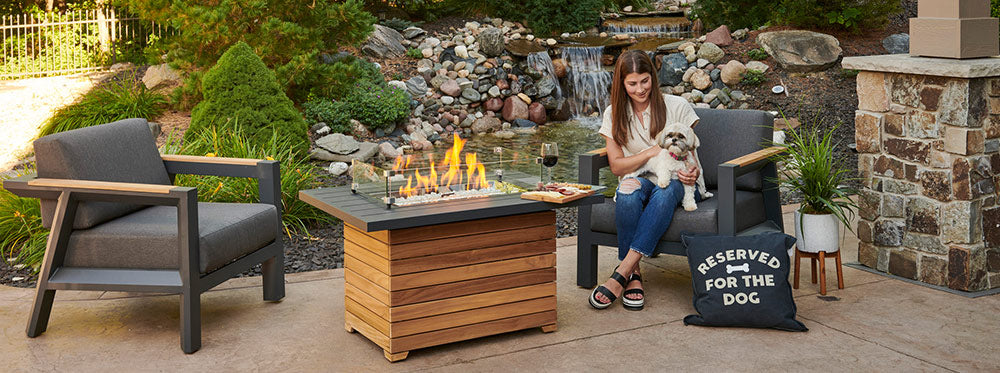
Fire pit tables combine the ambiance of a fire feature with the functionality of outdoor furniture.
They’re especially popular for entertaining because the tabletop surface can still be used for drinks, appetizers, and seating layouts.
Common Fire Table Heights
- Chat height: Approximately 23 inches tall
- Dining height: Approximately 29 inches tall
- Bar height: Approximately 35 inches tall
Benefits of Fire Pit Tables
- Modern appearance
- Functional tabletop space
- Wide range of shapes and sizes
- Excellent for entertaining patios
DIY Gas Fire Pit Kits
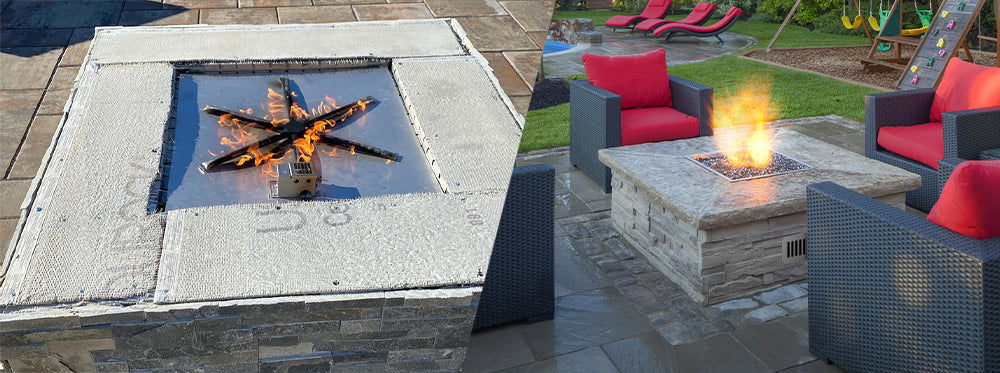
DIY fire pit kits are one of the best options for homeowners who want a custom-built fire feature without sourcing every component separately.
Most kits include:
- Burners
- Burner pans
- Ignition systems
- Gas connections
- Installation hardware
Common Ignition Options
- Match light: Simple and affordable
- Spark ignition: Push-button startup
- Electronic ignition: Premium automated systems
Fire Pit Shapes & Sizes
| Shape | Best For | Popular Styles |
|---|---|---|
| Round | Conversation seating | Fire bowls |
| Square | Balanced patio layouts | Fire pit tables |
| Linear | Modern patios and sectionals | Linear fire pits |
| Rectangle | Large entertaining areas | Modern fire tables |
Fire Bowls & Decorative Fire Features
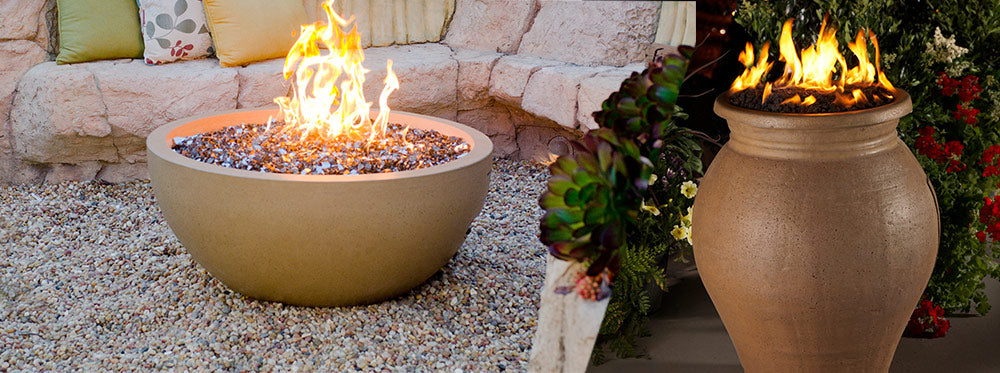
Fire bowls and decorative fire urns are ideal for homeowners who want a stronger architectural or luxury design statement.
These features are commonly used:
- Along pool edges
- On patio columns
- As focal points in outdoor lounges
- In luxury landscape designs
Available materials include concrete, copper, powder-coated finishes, and stainless steel.
Outdoor Fireplaces
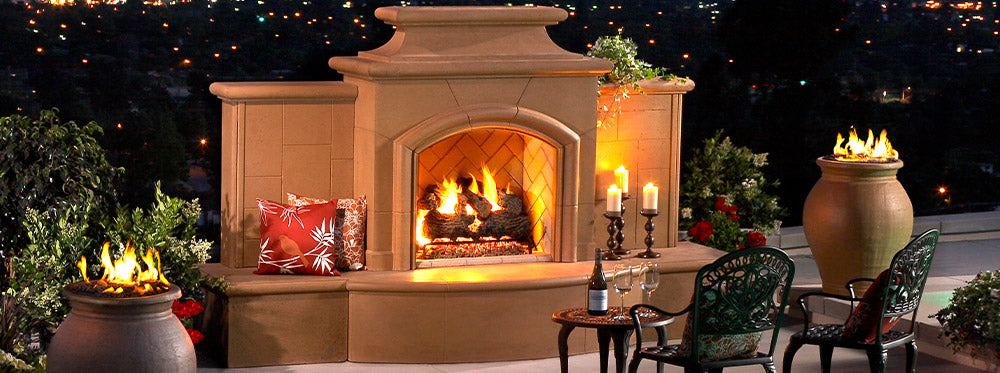
Outdoor fireplaces create one of the boldest and most luxurious outdoor living experiences available.
Compared to open fire pits, outdoor fireplaces often provide:
- Stronger heat direction
- Increased wind resistance
- Architectural impact
- Defined seating arrangements
They’re ideal for larger patios, covered outdoor living areas, and outdoor kitchens.
Fire & Water Features
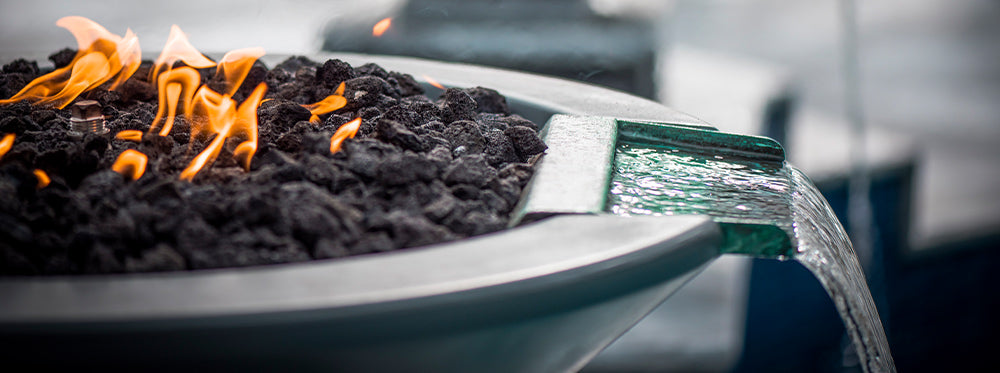
Fire and water bowls combine live flames with flowing water to create dramatic luxury outdoor focal points.
These features are especially popular in:
- Luxury pool environments
- Modern patios
- High-end landscape designs
- Hospitality spaces
Fire Pit Media Guide
Gas fire pits use decorative media to improve flame appearance and protect burner components.
Popular fire media includes:
| Media Type | Appearance | Best For |
|---|---|---|
| Fire Glass | Modern reflective appearance | Contemporary fire pits |
| Lava Rock | Natural rugged appearance | Traditional fire pits |
| Ceramic Logs | Realistic wood appearance | Classic fireplace look |
Fire Pit Safety & Placement Tips
Before installing a fire pit, always review local building codes and manufacturer installation requirements.
Important safety considerations include:
- Proper ventilation
- Clearances from structures
- Wind exposure
- Non-combustible materials
- Deck and patio compatibility
- Gas line safety
Many homeowners also use:
Frequently Asked Questions About Gas Fire Pits
What type of fire pit is best?
The best fire pit depends on your patio size, fuel preference, design goals, and how you plan to use the space. Homeowners prioritizing convenience often lean toward gas models, while those who enjoy a traditional experience may prefer wood-burning options. Taking stock of your outdoor layout and how often you'll use the fire pit can help narrow down the right style.
Are gas fire pits worth it?
Yes, gas fire pits are popular because they offer convenient ignition, low maintenance, and clean-burning flames. They eliminate the smoke, ash, and log storage that come with wood-burning options, making them a practical choice for frequent use. Many models also offer adjustable flame height for added control over ambiance and heat output.
Can fire pits go on decks?
Some fire pits can be safely installed on decks when proper clearances and heat protection measures are followed. A heat-resistant pad or mat is often recommended to protect wood or composite decking from heat damage. Always check the manufacturer's specifications and local codes before placing a fire pit on any deck surface.
What size fire pit should I buy?
Smaller patios often work best with compact fire pits or fire bowls, while larger entertaining spaces can support linear or oversized fire features. Leaving adequate clearance around the fire pit for seating and foot traffic is just as important as the unit's overall size. Matching the scale of the fire pit to your patio helps create a balanced, functional outdoor layout.
Are propane or natural gas fire pits better?
Propane offers portability and flexibility, while natural gas is ideal for permanent installations with continuous fuel access. Propane units are easier to relocate but require tank refills or exchanges over time. Natural gas eliminates refueling altogether, making it a convenient option for fire pits that stay in one place long-term.
Final Thoughts
Choosing the right fire pit involves balancing fuel type, design style, patio size, functionality, and long-term maintenance preferences. Whether you prefer the traditional atmosphere of a wood-burning fire pit, the convenience of a gas fire feature, or the luxury appeal of a custom fire and water installation, there are options available for nearly every outdoor living space. From compact patio fire pits to large custom entertainment areas, the right fire feature can dramatically improve comfort, ambiance, and outdoor usability. If you need help choosing the right product, planning your project, or finding compatible components, contact our product specialists for expert guidance.