Quick Answer: A high-quality gas fire pit can last for many years, and in some cases decades, with proper care and maintenance. Burner material, ventilation, weather exposure, ignition system type, protective covers, and routine cleaning all play an important role in long-term performance.
A fire pit is an investment in your outdoor space, and most gas fire pit components are built specifically for outdoor use. While stainless steel burners and components can last for many years, brass burners are often considered an even longer-lasting option. With the right setup and care, you can help protect your fire pit from weather, debris, corrosion, and premature wear.
What Affects Gas Fire Pit Lifespan?
The lifespan of a gas fire pit depends on several factors, including the quality of the components, how often it is used, and how well it is protected from the elements.
- Burner Material: Stainless steel and brass burners are both durable, but brass typically offers superior corrosion resistance.
- Weather Exposure: Rain, snow, standing water, and debris can shorten the life of burners, finishes, and ignition components.
- Ventilation: Proper airflow helps prevent overheating and allows gas to escape safely.
- Ignition System: Electronic ignition systems are convenient, but they should be protected from excessive moisture.
- Maintenance: Regular cleaning and inspection can help prevent clogged burner ports, corrosion, and performance issues.
- Environment: Coastal areas, freeze-thaw climates, and high-moisture environments may require extra protection.
Do Gas Fire Pits Need to Be Covered?
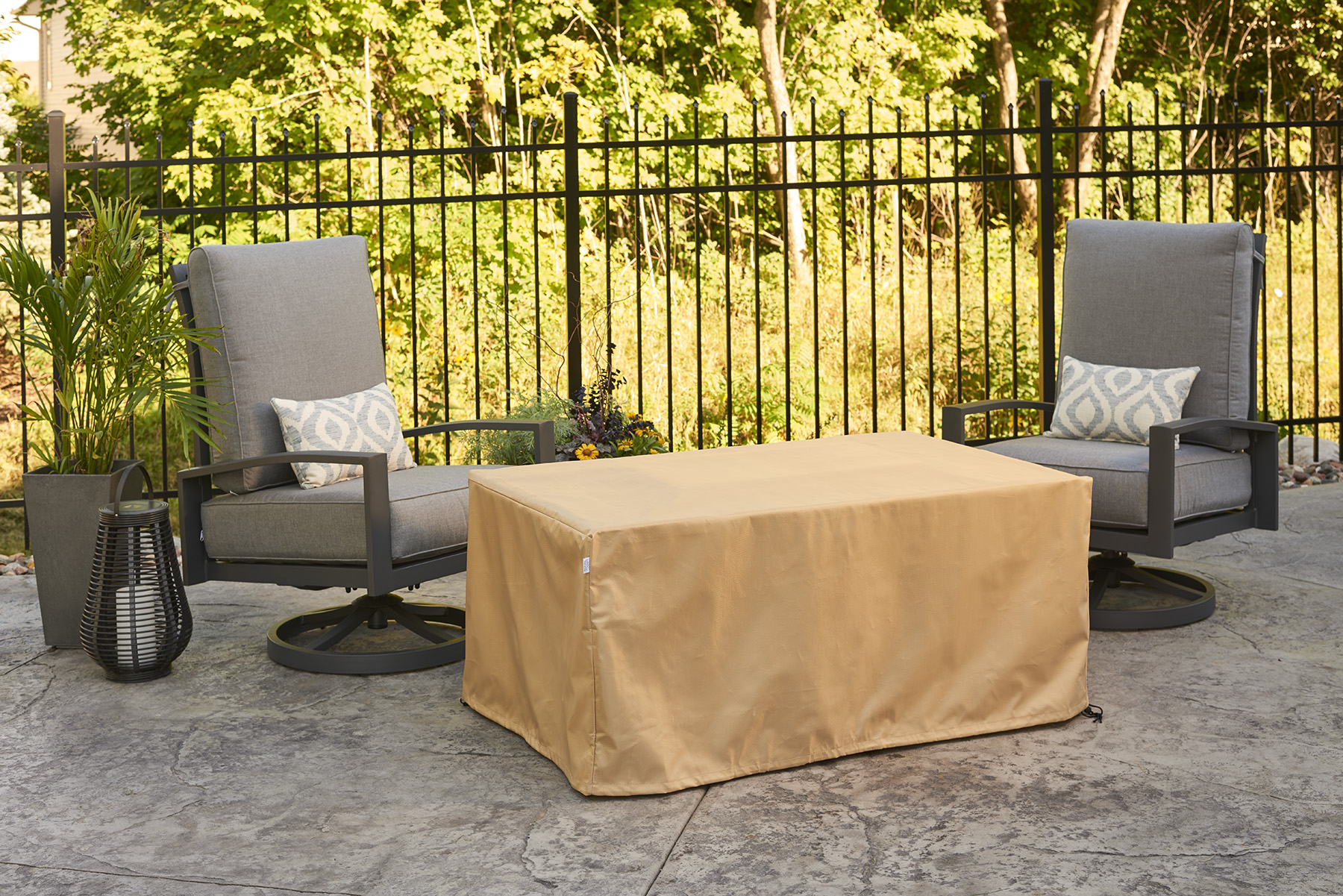
Yes. You should cover your gas fire pit when it is not in use.
Gas fire pits will almost always last longer when covered. This is especially important if electronic components like a premium ignition system are involved. Water and electricity do not mix well, and while electronic ignition systems are designed to be weather resistant, they should not be regularly covered in water, snow, or debris.
It’s not just electrical components that benefit from a cover. By covering a fire pit, its finish will hold up much better, whether it is concrete, tile, stucco, glass, or metal. The burner also benefits from being covered. By keeping your burner free of liquid and debris, you’ll help ensure it lasts as long as possible.
Do Gas Fire Pits Need to Be Vented?

All gas fire pits should be vented according to manufacturer instructions. Proper venting helps keep your fire pit operating safely and correctly.
Most pre-manufactured pits and tables have venting accounted for in the design, but custom fire pits will need to have ventilation added and installed properly. Venting allows leaked gas to escape, brings fresh oxygen into the enclosure, and helps keep internal components cooler.
- Propane: Propane gas is heavier than air, so vents are typically placed near the bottom of the fire pit enclosure to allow unburned propane to escape.
- Natural Gas: Natural gas is lighter than air, so venting is often placed higher in the enclosure, while still remaining below the pan and burner.
- Electronics: Ventilation can also help prevent heat buildup that may shorten the life of electronic ignition components.
Always follow manufacturer recommendations for venting. Improper ventilation can lead to unsafe gas buildup, flare-ups, overheating, or premature component failure.
How Long Do Fire Pit Burners Last?
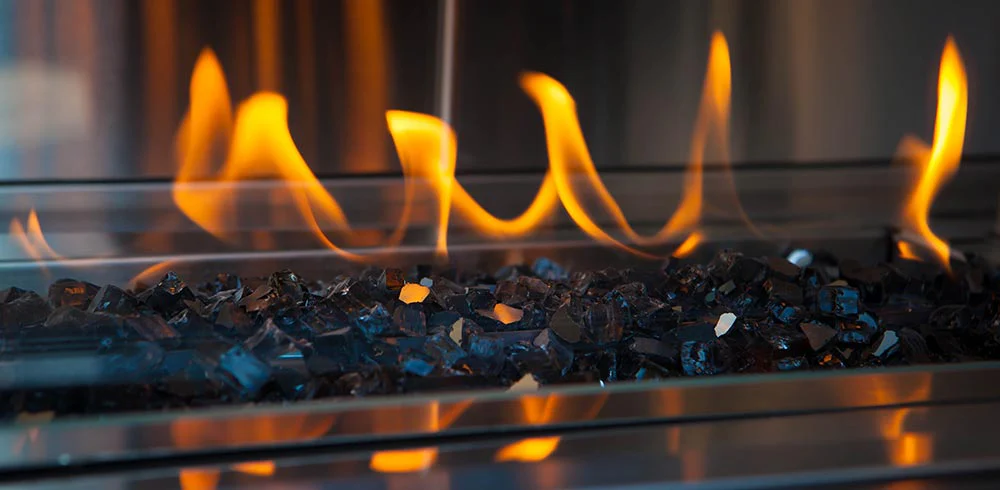
Fire pit burner lifespan depends heavily on material quality and environmental exposure. High-quality stainless steel burners can last for many years with proper care, especially when protected from standing water, leaves, and other debris.
Brass burners are often considered one of the most durable options available. Because brass is highly resistant to corrosion, it can be a great choice for long-term outdoor use, especially in challenging environments.
For the longest burner life, keep burner ports clear, cover the fire pit when not in use, and inspect the burner periodically for corrosion, blockage, or damage.
Which Fire Pit Materials Last the Longest?
One of the best aspects of creating a custom fire pit is the number of material options available. The best choice depends on your budget, design goals, climate, and whether you want a permanent or moveable fire feature.
Fabricated Steel

Steel fire pits are usually sturdy and can last for years as long as the protective finish holds up. Many steel pits use a powder-coated or similar finish to help resist rust. They are typically heavy, but still more moveable than concrete units. Steel fire pits also tend to offer a wide range of finish colors and design options.
Aluminum

Aluminum offers a lightweight option and does not corrode like steel. Aluminum fire pits are often easier to move and can be a good choice for many residential outdoor spaces, though they may not feel as substantial as heavier steel or concrete models.
GFRC (Glass Fiber Reinforced Concrete)

GFRC is a mix of concrete and fiberglass, making it much lighter and less brittle than traditional pour-in-place concrete. GFRC fire pits are often available in many colors, shapes, and sizes. Though lighter than poured concrete, these units are not typically considered portable, with many weighing several hundred pounds.
Paver Blocks

Paver blocks offer a customizable look with enough durability to stand up to heat and outdoor elements. They can be arranged in different shapes and finishes, making them a popular option for custom projects. Another approach is to create a concrete masonry block structure, finish it with stone veneer, and top it with a capstone.
Ready-to-Finish

Ready-to-finish fire pits are similar to masonry block structures, but they are typically pre-built using steel studs and concrete board. These structures can be shipped or made on-site, then finished with stone veneer, tile, or stucco.
Pour-in-Place

Pour-in-place concrete is a highly durable option that involves building forms and pouring concrete on-site. These fire pits are extremely sturdy and permanent. If durability is your main concern and you do not need the flexibility to move the fire pit later, cast-in-place concrete may be a strong option.
Can Gas Fire Pits Stay Outside Year-Round?
Yes, most gas fire pits are designed for outdoor use and can stay outside year-round. However, year-round outdoor exposure can shorten the life of your fire pit if it is not properly protected.
For the best long-term performance, use a weather-resistant cover, keep the burner area free from standing water and debris, and inspect the fire pit after severe weather. In colder climates, covers can help protect against snow, ice, and freeze-thaw moisture issues. In coastal areas, routine cleaning is especially important because salt air can accelerate corrosion.
How Often Should a Gas Fire Pit Be Cleaned?
Gas fire pits should be inspected and cleaned regularly, especially during periods of frequent use. A quick visual inspection before each use can help catch debris, water, or blocked burner ports before they become bigger problems.
For seasonal maintenance, consider the following:
- Remove leaves, dirt, and debris from the burner area.
- Check burner ports for blockage.
- Inspect fire media and clean or replace it when needed.
- Confirm the burner pan can drain properly.
- Inspect covers for tears or water pooling.
- Check ignition components for moisture or corrosion.
- Review manufacturer maintenance recommendations.
Signs Your Fire Pit Needs Maintenance
A gas fire pit may need maintenance if performance changes or if components show signs of wear. Pay attention to these common warning signs:
- Uneven or weak flames
- Burner ports that appear clogged
- Difficulty lighting the fire pit
- Ignition system issues
- Visible rust, corrosion, or discoloration
- Standing water in the burner area
- Debris buildup around the burner or media
- Unusual gas odor or whistling sounds
If you notice gas odors, shut off the fire pit and contact a qualified professional before using it again.
Accessories That Help Extend Fire Pit Life
The right accessories can make a big difference in how long your fire pit lasts. A weather-resistant fire pit cover helps protect the enclosure, burner, fire media, and ignition components from moisture and debris. Burner covers provide another layer of protection directly over the burner area.
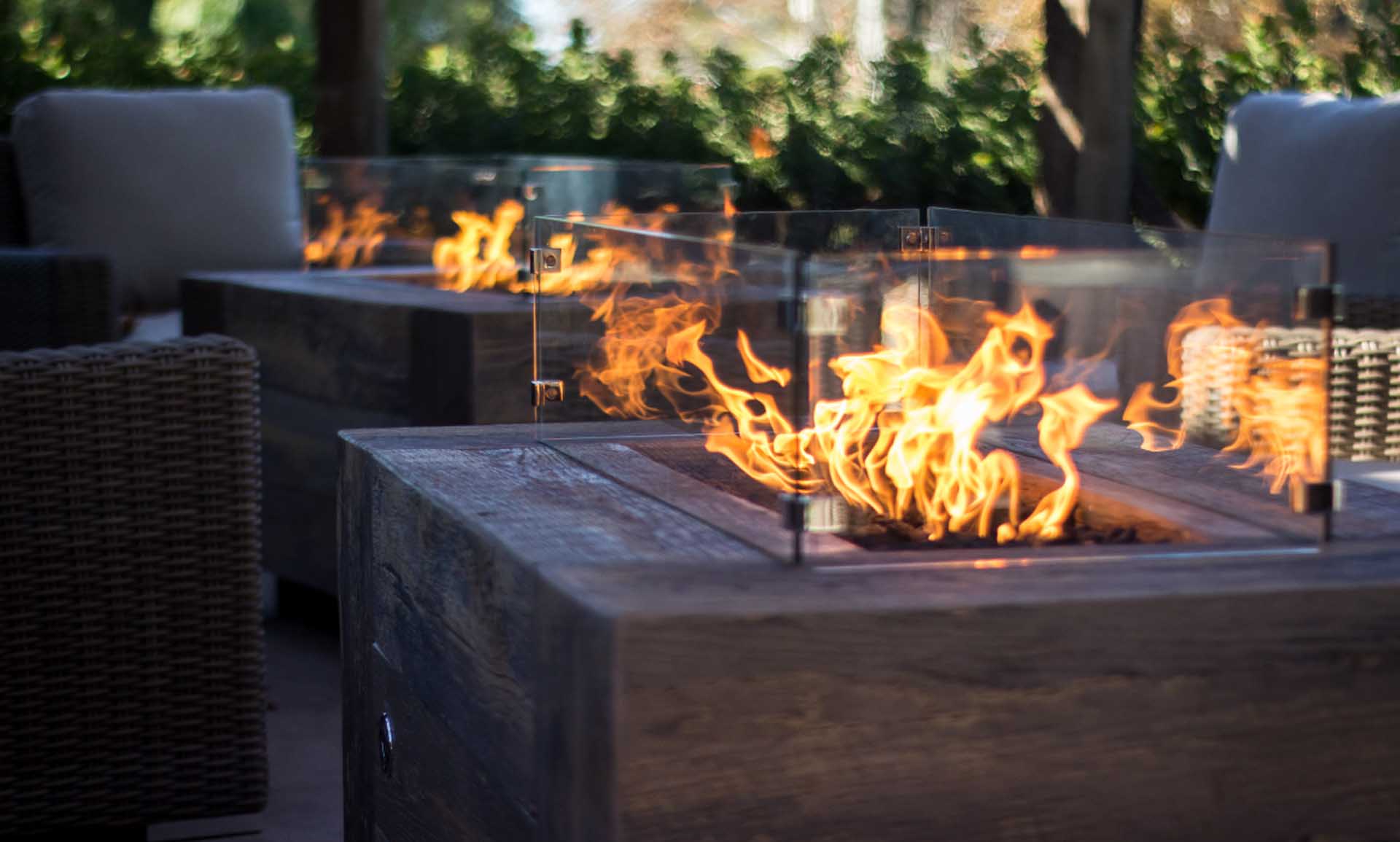
A glass wind guard can help stabilize the flame in breezy conditions while adding a more finished look to the fire feature. Replacing or cleaning fire media, such as fire glass or lava rock, can also help keep your fire pit looking its best.
Don’t Use Wood to Build Your Fire Pit
One very common mistake is using wood for the structure or veneer of a gas fire pit. Although gas fire pits do not produce as much radiant heat as traditional wood fire pits, they still generate enough heat to create a serious hazard when combustible materials are used incorrectly.
 Do not use wood to build your gas fire pit structure.
We’ve heard of several instances where gas fire pits with wood structures have burned due to extreme heat exposure. Always use non-combustible materials and follow manufacturer clearance requirements.
Frequently Asked Questions about Gas Fire Pits Maintenance & Durability
How often should a gas fire pit be inspected or serviced?
Gas fire pits should generally be inspected at least once a year, checking the burner, ignition system, and gas connections for wear or debris buildup. Regular inspections help catch minor issues before they turn into costly repairs. Scheduling this maintenance before the start of peak outdoor season can help ensure the fire pit is ready when you need it.
How do I clean fire glass or lava rock?
Fire glass and lava rock should be periodically rinsed or wiped down to remove dust, debris, and residue that can accumulate over time. Removing the media occasionally to check the burner underneath also helps prevent clogged ports and uneven flames. Always allow the fire pit to fully cool before cleaning or handling any fire media.
Does covering a gas fire pit extend its lifespan?
Yes, using a weather-resistant cover when the fire pit isn't in use helps protect the burner, ignition components, and finish from rain, debris, and sun exposure. Consistent exposure to moisture can accelerate corrosion in metal components over time. A properly fitted cover is one of the simplest ways to extend the overall durability of the unit.
What causes uneven or weak flames in a gas fire pit?
Uneven or weak flames are often caused by clogged burner ports, insufficient gas pressure, or debris buildup within the fire media. Spiders and small debris can sometimes nest in gas lines during periods of non-use, restricting airflow. Regular cleaning and periodic burner inspections can help maintain consistent, even flames.
How long do gas fire pits typically last?
With proper maintenance, gas fire pits can last well over a decade, though lifespan varies based on materials, climate exposure, and usage frequency. Stainless steel burners and weather-resistant materials tend to hold up better over time than lower-grade components. Routine care, including cleaning, covering, and annual inspections, plays a major role in maximizing the fire pit's overall lifespan.
Final Thoughts
A gas fire pit can provide years of outdoor enjoyment when it is built with durable materials, properly vented, protected from the elements, and maintained regularly. Choosing the right burner, cover, enclosure material, and accessories can help extend the life of your fire pit and protect your investment. If you need help choosing the right product, planning your project, or finding compatible components, contact our product specialists for expert guidance.