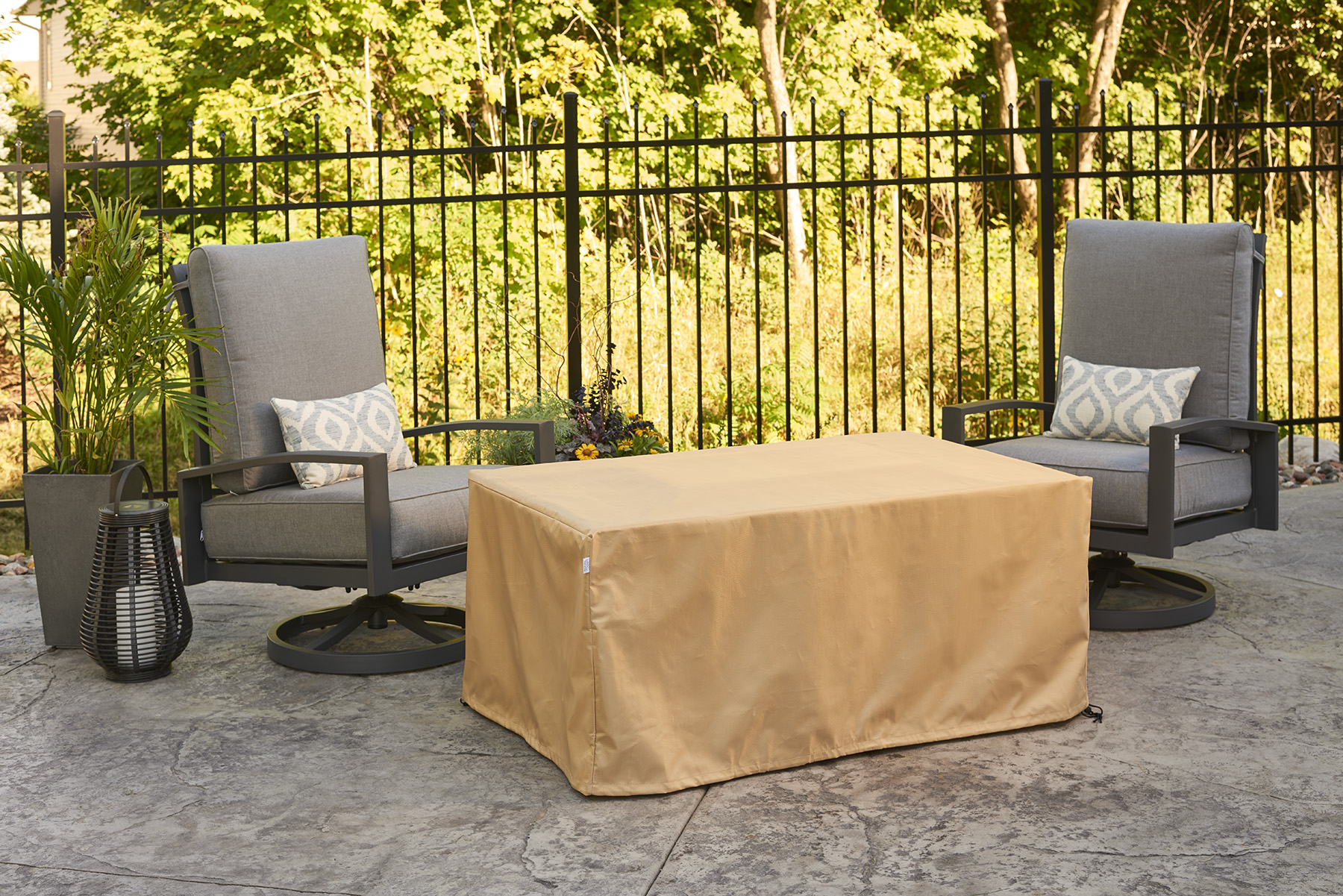
Gas fire pits can handle rain, but they still need proper drainage, protection, and routine maintenance. Weather-resistant burners, burner pans, covers, and quality materials help protect your fire pit from moisture, debris, and corrosion so it performs better and lasts longer.
Rain, snow, humidity, and coastal air can all affect how your outdoor fire pit looks and performs over time. While a quality gas fire pit is designed for outdoor use, even the best components benefit from basic protection and maintenance.
Here are the most important ways to protect your fire pit components from wet weather and help extend the life of your system.
Can Gas Fire Pits Get Wet?
Yes, gas fire pits can get wet. Most outdoor gas fire pit systems are designed to handle normal exposure to rain and moisture, especially when they use high-quality materials like 304 stainless steel, 316 marine-grade stainless steel, or brass. However, weather resistant does not mean maintenance-free.
Moisture can still collect inside the fire pit enclosure, settle in the burner pan, clog media with debris, or affect ignition components if the system is not properly protected. The goal is not necessarily to keep every drop of water away from your fire pit. The goal is to make sure water can drain properly and that your components are protected when the fire pit is not in use.
Are Fire Pit Burners Weather Resistant?

Nearly all our fire pit burners are manufactured from durable materials such as 304 stainless steel or brass. These materials are chosen because they perform well outdoors and resist corrosion better than lower-grade metals.
That said, there is a difference between what is acceptable and what is ideal. Your fire pit may still operate after sitting uncovered through rain, but regular care will help preserve its appearance, performance, and long-term reliability.
Fire Pit Burner Material Options
| Material | Best For | Weather Notes |
|---|---|---|
| 304 Stainless Steel | Most residential outdoor fire pits | Strong corrosion resistance for general outdoor use. |
| 316 Marine-Grade Stainless Steel | Coastal or high-moisture environments | Offers enhanced resistance to salt air and harsh weather exposure. |
| Brass | Premium fire pits and long-term durability | Naturally resists rust and performs especially well in demanding outdoor conditions. |
Some premium fire pit brands also offer strong manufacturer warranties on burners, pans, and ignition systems. Warranty coverage can vary by brand and product type, so it’s always worth reviewing the warranty details before choosing your fire pit system.
Weather Resistant vs. Weatherproof Fire Pits
A gas fire pit is typically weather resistant, not completely weatherproof. Weather-resistant components are built to handle outdoor conditions, but they still need proper installation and protection to perform their best.
For example, many manufacturers account for weather during the engineering process. The raised central hub on some HPC Penta burners helps keep the gas inlet above the tubes of the burner ring, which can reduce the chance of water entering the valve or gas line. Any small amount of moisture that does enter will usually evaporate the next time the fire pit is ignited.
Even with smart product design, drainage and covers remain important layers of protection.
Top Ways to Protect a Gas Fire Pit From Rain
- Cover up: A fire pit cover helps keep rain, leaves, dirt, and debris out of the burner area. For added protection, we also sell burner covers to protect that area from rain or debris when not in use.
- Make sure the fire pit drains properly: Standing water is one of the biggest issues for outdoor fire pit components.
- Keep weep holes and vents clear: Blocked drainage can trap water inside the pan or enclosure.
- Protect ignition systems: Electronic components are more sensitive to moisture than basic match-lit systems.
- Choose the right materials: Stainless steel, marine-grade stainless steel, and brass are better suited for outdoor use.
- Inspect after storms: Remove debris and check for standing water before lighting your fire pit.
Proper Drainage Is Key
Although most burners are designed to reduce water entry, those design features should not be the only layer of defense. Proper drainage is one of the most important factors in protecting your gas fire pit from rain.
Our burner pans feature drilled weep holes to allow water to drain out the bottom of the fire pit. If you decide to manufacture your own pan, you’ll want to create similar drainage holes.
You’ll also want to incorporate drainage into the fire pit enclosure itself to prevent water buildup under the burner pan. A vent can often double as a drain when installed at the bottom of your fire pit’s sidewall.
Why Drainage Matters
| Component | Why Drainage Matters |
|---|---|
| Burner Pan | Helps prevent standing water from collecting around the burner and fire media. |
| Fire Pit Enclosure | Allows moisture to escape instead of pooling inside the base of the fire pit. |
| Ignition System | Reduces the risk of moisture affecting electronic components, wiring, and controls. |
| Fire Media | Helps media from sitting in water, dirt, and debris. |
Cover Your Fire Pit When It’s Not in Use

One of the easiest ways to keep rainwater, leaves, and debris from building up in your fire pit is to use a properly fitted fire pit cover. Covers help protect the burner, burner pan, fire media, and ignition components when the fire pit is not in use.
A soft vinyl cover is a practical and affordable option for many homeowners. These soft covers help keep debris out and are easy to remove when you’re ready to use the fire pit. Many also feature vented designs that allow trapped moisture to escape.
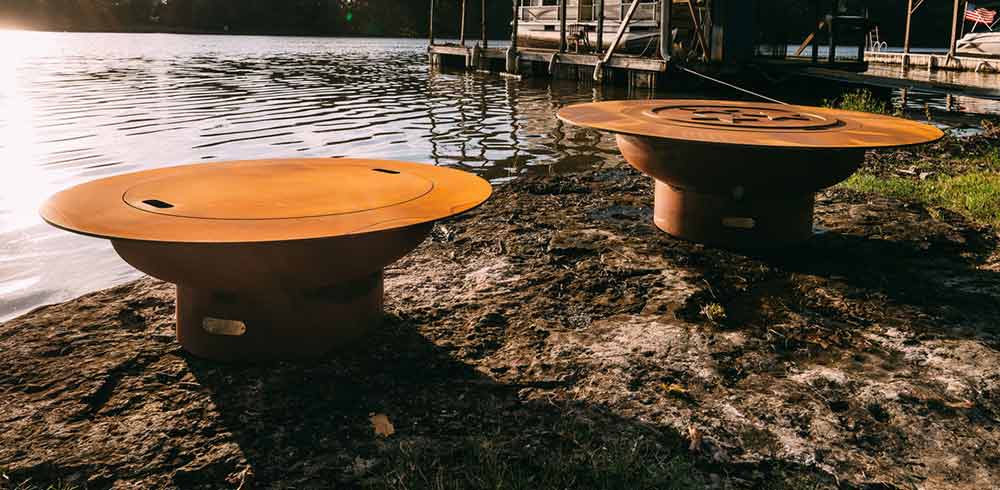
If you’re looking for additional protection for the important fire pit parts, a metal burner cover can offer stronger protection from rain, debris, and daily exposure. Metal covers can also create a cleaner finished look and, depending on the design, may allow the fire pit to function as a tabletop surface when not in use.
We strongly recommend covering any fire pit when it’s not in use, especially if the fire pit includes an electronic ignition system.
Protecting Fire Pit Ignition Systems From Moisture
Match-lit fire pits are relatively simple because they have few moving parts. Electronic ignition systems are more advanced and convenient, but they also require more protection from moisture.
If your fire pit has an electronic ignition system, proper drainage and regular cover use become even more important. Moisture can affect wiring, controls, sensors, and ignition components over time. A quality cover, clear enclosure ventilation, and a properly draining burner pan can help protect these parts and reduce maintenance issues.
If your fire pit ignition system has been exposed to heavy rain or standing water, inspect the burner area before use. If you notice damaged wiring, unusual ignition behavior, or persistent performance problems, contact a qualified professional before operating the fire pit again.
Special Considerations for Coastal Fire Pits
If you live near the ocean, salt air can accelerate corrosion on outdoor metal products, including fire pit components. While there’s no perfect way to completely eliminate the effects of coastal air, choosing the right materials and protecting your system can make a meaningful difference.
For coastal installations, consider premium materials such as brass burners or 316 marine-grade stainless steel components when available. Brass naturally resists rust, while marine-grade stainless steel offers improved resistance against salt and moisture compared to standard stainless steel.
Fire pit covers are especially important in coastal environments. You should also inspect your fire pit more often, remove debris regularly, and avoid letting salt, sand, or moisture sit on exposed components for long periods.
Common Fire Pit Maintenance Mistakes to Avoid
- Leaving the fire pit uncovered: Rain, leaves, dirt, and debris can collect in the burner area.
- Blocking drainage holes: Fire media, dirt, or debris can prevent water from draining properly.
- Ignoring standing water: Water inside the pan or enclosure should be addressed before use.
- Using the wrong materials near the coast: Coastal environments may require upgraded materials for better durability.
- Neglecting ignition components: Electronic ignition systems should be kept as dry and protected as possible.
- Assuming outdoor-rated means maintenance-free: Even weather-resistant fire pits need basic care.
How Long Can a Gas Fire Pit Last?
A gas fire pit is a relatively simple product. Excluding ignition systems, it’s a collection of durable hardware components with very few moving parts. Combine this with quality materials such as stainless steel, marine-grade stainless steel, or brass, and you can see why these systems can last for many years.
Under ideal circumstances, a properly installed and maintained fire pit can last for decades without diminished performance. The exact lifespan depends on material quality, weather exposure, drainage, cover use, maintenance, and how often the fire pit is used.
Frequently Asked Questions on How to Protect Your Fire Pit from Rain
Final Thoughts
Your fire pit is built for outdoor use, but the right protection can help it perform better and last longer. Proper drainage, regular cover use, weather-resistant materials, and occasional maintenance all play an important role in protecting your gas fire pit from rain, moisture, debris, and coastal air.
If you need help choosing a fire pit cover, burner pan, brass burner, marine-grade component, or compatible accessory for your setup, contact our product specialists for expert guidance.