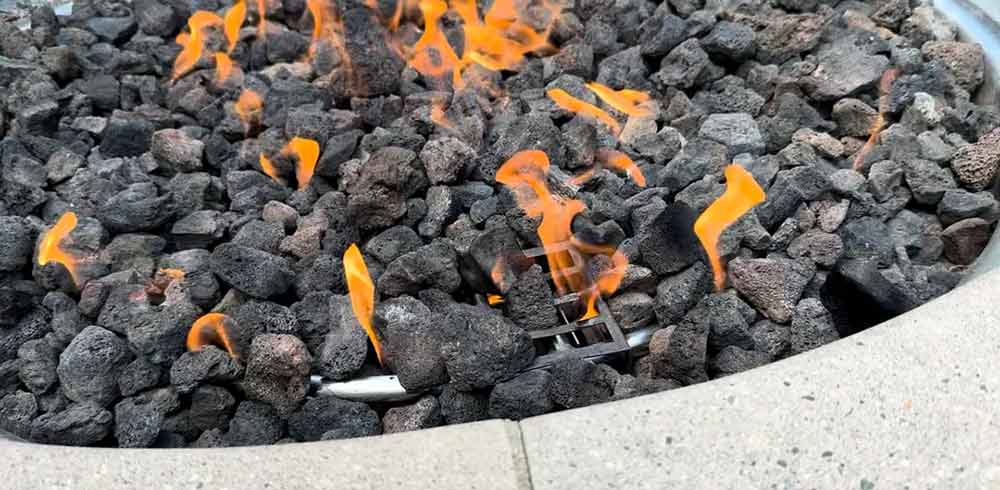
If your hot wire ignition (HWI) fire pit isn't lighting properly, shuts off unexpectedly, or isn't responding during startup, many common issues can be diagnosed with a few simple checks. Problems such as power loss, clogged pilot components, dirty flame sensors, damaged igniters, or inadequate ventilation are among the most common causes of HWI system failures.
Hot wire ignition systems are one of the most reliable ignition methods available for gas fire pits. They provide automatic ignition, built-in safety monitoring, and convenient operation. While these systems are designed for long-term outdoor use, environmental conditions and normal wear can occasionally cause performance issues.
This guide walks through the most common hot wire ignition troubleshooting scenarios and includes our HWI troubleshooting chart to help identify potential solutions.
What Is a Hot Wire Ignition (HWI) Fire Pit System?
A hot wire ignition system, sometimes called a hot surface ignition system, uses an electrically heated igniter to light a pilot flame. Once the pilot is established, the system verifies flame presence and opens the main gas valve to ignite the burner.
These systems are commonly found in premium electronic ignition fire pit kits because they offer:
- Push-button or switch-controlled operation
- Automatic flame sensing safety features
- Reliable ignition performance
- Compatibility with timers, remotes, and automation systems
- Protection against gas buildup if the flame is lost
Hot Wire Ignition Troubleshooting Chart

Use the chart above as a quick reference guide when diagnosing ignition and burner issues. The sections below explain the most common troubleshooting paths in greater detail.
Pilot Light Will Not Ignite
If the pilot flame never lights during startup, begin by verifying that the system is receiving power and that the gas supply is turned on.
Common causes include:
- No electrical power to the ignition system
- Gas supply shut off
- Failed igniter
- Damaged igniter coil
- Missing or improperly installed igniter shield
- Loose or damaged ignition wires
If the igniter is not glowing during startup, inspect the igniter assembly and wiring connections. A damaged igniter will typically require replacement.
Main Burner Will Not Light
If the pilot flame ignites but the main burner never lights, the issue is often related to flame sensing or pilot performance.
Check for:
- Clogged pilot orifice
- Weak pilot flame
- Dirty thermocouple
- Loose thermocouple connection
- Damaged pilot assembly
The pilot flame must properly contact the flame sensing components for the system to verify safe operation and open the main gas valve.
Igniter Does Not Glow
A hot surface igniter should visibly glow during startup. If it does not, inspect the following:
- Incoming electrical power
- Wiring connections
- Igniter condition
- Igniter shield installation
If the igniter is cracked, damaged, or no longer heating properly, replacement is typically required.
Pilot Lights but Shuts Off
If the pilot initially lights but will not remain lit, the thermocouple or flame sensing system is often the source of the problem.
Common causes include:
- Dirty thermocouple
- Damaged thermocouple
- Loose thermocouple connection
- Weak pilot flame
- Clogged pilot orifice
Cleaning the thermocouple with a soft brush can often resolve flame sensing issues caused by dirt, soot, or environmental buildup.
Burner Lights but Shuts Off Shortly After Startup
If the burner ignites but turns off after a short period, several conditions may be contributing to the issue.
Check for:
- Insufficient enclosure ventilation
- Improper gas pressure
- Excess fire media covering the burner or pilot area
- Dirty pilot assembly
- Weak pilot flame
Proper enclosure ventilation is especially important for electronic ignition systems. Without adequate airflow, heat buildup can negatively affect system performance and safety operation.
Too Much Fire Media Around the Pilot Assembly
One of the most common installation-related issues occurs when decorative fire media blocks airflow around the pilot assembly or blowout box.
When installing:
- Keep fire glass away from the pilot assembly
- Do not bury the blowout box
- Follow manufacturer recommendations for media depth
- Inspect the pilot area regularly
Browse approved fire glass and fire pit media that are designed for use with gas fire pit systems.
Preventative Maintenance Tips
Routine maintenance can help prevent many ignition problems before they occur.
- Operate the system periodically throughout the year.
- Keep the fire pit covered when not in use.
- Inspect pilot assemblies for debris and insects.
- Clean thermocouples and flame sensors as needed.
- Check ventilation openings regularly.
- Inspect wiring for damage or loose connections.
- Remove excess fire media around pilot components.
A quality fire pit cover can help protect ignition components from moisture, debris, and weather exposure.
When Should You Replace Components?
Some ignition issues can be resolved with cleaning and maintenance, while others require replacement parts.
Consider replacement if you have:
- A cracked or damaged igniter
- A failed thermocouple
- A damaged pilot assembly
- Broken wiring
- Persistent ignition failures after cleaning and inspection
If troubleshooting steps do not resolve the issue, the valve box or ignition module may require professional evaluation.
Hot Wire Ignition FAQs
What is a hot wire ignition fire pit?
A hot wire ignition system uses a heated igniter to light a pilot flame and automatically ignite the main burner while monitoring flame presence for safety.
Why is my igniter not glowing?
The most common causes are power loss, damaged wiring, a failed igniter, or a faulty ignition component.
Why does my burner light and then shut off?
This is often caused by weak flame sensing, poor ventilation, excessive fire media around the pilot assembly, or improper gas pressure.
How do I clean a thermocouple?
Use a soft brush to gently remove dirt, soot, or debris from the thermocouple surface. Avoid using abrasive materials.
Can weather affect electronic ignition systems?
Yes. Moisture, debris, insects, and extended periods of inactivity can all affect ignition performance.
Final Thoughts
Most hot wire ignition fire pit issues can be traced to a small number of common causes, including power interruptions, pilot assembly problems, dirty flame sensing components, ventilation issues, or worn ignition parts. By following the troubleshooting chart and performing routine maintenance, many problems can be resolved quickly without replacing the entire system. If you need help diagnosing your fire pit, selecting replacement components, or finding compatible ignition parts, contact our product specialists for expert guidance.