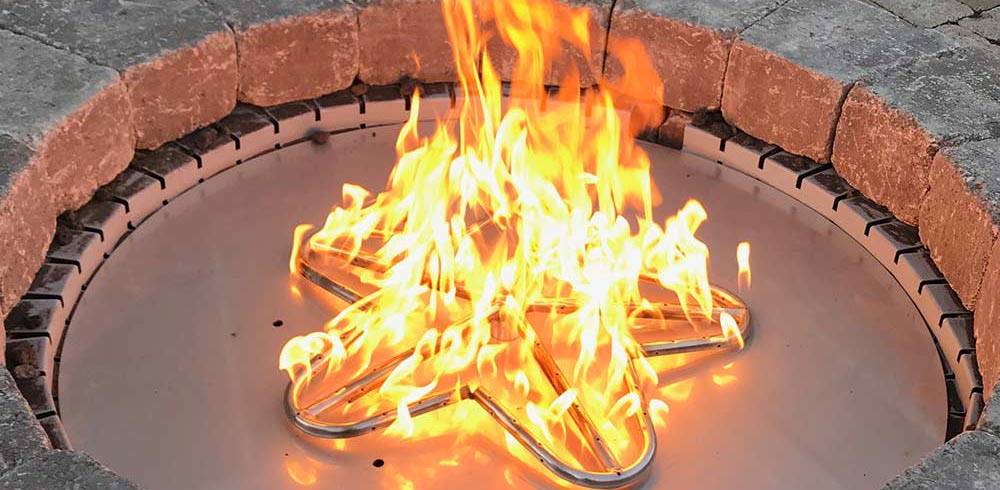
Many gas fire pit problems come from gas pressure, gas line sizing, debris, ventilation, ignition issues, or installation details rather than the fire pit itself. Basic cleaning and visual inspections can often solve minor issues, but gas leaks, pressure adjustments, and gas line changes should always be handled by a qualified gas professional.
Just like a gas oven or gas heater, a fire pit is a gas appliance. Proper precautions must be taken to ensure safe installation and operation. Always follow the guidelines provided by the manufacturer in the installation and operation manual for your specific model.
Before You Troubleshoot Your Gas Fire Pit
- Turn off the gas supply before inspecting or cleaning components.
- Allow the fire pit to cool completely before touching the burner, pan, or media.
- Check your owner's manual for model-specific instructions.
- Keep fire media clear of burner ports, pilot assemblies, and ignition components.
- Do not operate the fire pit if you smell gas or suspect a leak.
If you suspect a gas leak, damaged gas line, incorrect gas pressure, or improper gas line sizing, stop using the fire pit and contact a qualified gas professional.
Gas Fire Pit Troubleshooting Chart
| Issue | Possible Cause | What to Check or Do |
|---|---|---|
| Low Flame Height | Low gas pressure, insufficient BTU supply, undersized gas line, or low propane tank level | Confirm the gas source is open and propane tank is full. Have a qualified gas professional verify gas pressure, BTU supply, and gas line sizing. |
| Burner Will Not Light | Gas supply is off, air in the gas line, clogged burner ports, or ignition issue | Confirm the gas supply is on, check for debris around the burner, and follow the lighting instructions in the owner's manual. Contact a professional if the issue continues. |
| Fire Pit Will Not Stay Lit | Air or debris in the gas line, pilot issue, flame sensor issue, gas leak, or wind interference | Check for debris and confirm the pilot area is clear. If you suspect a leak or gas supply issue, stop using the fire pit and call a qualified gas professional. |
| Uneven Flame | Blocked burner ports, uneven fire media placement, debris in the burner, or damaged burner | Turn off the fire pit, let it cool, then clean the burner and reposition fire media according to the manufacturer's instructions. Replace damaged gas fire pit burners if needed. |
| Soot Build-Up | Not enough oxygen, poor ventilation, incorrect air mixer setup, or fire media blocking the flame | Make sure the enclosure is properly ventilated and fire media is not covering burner ports. For propane systems, confirm the correct air mixer is installed. |
| Whistling Noise | Sharp bends in flex line, excessive gas pressure, gas flow restriction, or improper gas line sizing | Check that flex lines do not have sharp bends. Have a qualified gas professional verify gas pressure and line sizing. |
| Ignition Not Sparking | Dead battery, loose wire, dirty electrode, or damaged ignition component | Replace the battery if applicable, clear debris from the ignition area, and inspect visible connections. Replace damaged ignition systems or components as needed. |
| Propane Tank Runs Out Quickly | High BTU burner, long run times, cold weather, or undersized propane tank | Check the burner BTU rating and consider a larger propane supply if the fire pit requires more fuel than a standard tank can provide. |
| Flame Goes Out in Wind | Strong wind disrupting the flame, exposed burner location, or improper media placement | Reposition seating or wind protection if possible. Consider adding a glass wind guard for extra flame protection. |
Replacement Parts and Maintenance
Some gas fire pit issues can be solved with routine maintenance, such as removing debris, cleaning burner ports, replacing batteries, or repositioning fire media. Decorative media like fire glass and lava rock should be arranged according to the manufacturer’s instructions so the burner, pilot, and ignition components are not blocked.
If your burner is corroded, cracked, or producing uneven flames after cleaning, it may be time to replace it. You can also improve operation and control with compatible timers, switches, and remotes.
When to Call a Professional
Some troubleshooting steps should not be handled as DIY repairs. Call a qualified gas professional if you notice a gas odor, suspect a leak, need gas pressure adjusted, need a gas line resized, or are unsure whether the fire pit was installed correctly. Professional inspection is also recommended if the fire pit continues to perform poorly after basic cleaning and maintenance.
Gas Fire Pit Troubleshooting FAQs
Why is my gas fire pit flame so low?
A low flame is often caused by low gas pressure, an undersized gas line, insufficient BTU supply, a regulator issue, or a low propane tank. If the gas source is open and the propane tank is full, have a qualified gas professional inspect the system.
Why won't my gas fire pit stay lit?
A gas fire pit may not stay lit because of air in the gas line, debris in the burner, pilot issues, flame sensor problems, gas leaks, or wind interference. Start with basic cleaning and visual inspection, then contact a professional if the issue continues.
Why is my gas fire pit producing soot?
Soot usually indicates incomplete combustion. Common causes include poor ventilation, an incorrect air-to-fuel mixture, missing or incorrect air mixer components, or fire media placed too close to the flame path.
Why is my gas fire pit making a whistling noise?
Whistling can be caused by sharp bends in flex lines, gas flow restrictions, excessive gas pressure, or improper gas line sizing. Flex line routing may be easy to visually check, but pressure and line sizing should be evaluated by a qualified professional.
Can I troubleshoot a gas fire pit myself?
You can usually handle basic steps like cleaning debris, checking batteries, confirming the gas valve is open, and inspecting fire media placement. Gas line repairs, pressure adjustments, leak diagnosis, and installation corrections should be handled by a qualified gas professional.
When should I replace my gas fire pit burner?
Consider replacing the burner if it is heavily corroded, cracked, clogged beyond cleaning, or still producing uneven flames after proper maintenance. Always choose a burner compatible with your fire pit, gas type, and installation requirements.
Final Thoughts
There’s nothing quite like the comfort of sitting around a beautiful flame with friends and family, so it’s worth making sure your gas fire pit is operating safely and reliably. Many common issues can be solved with cleaning, maintenance, or proper setup, but gas leaks, pressure problems, and gas line concerns should always be handled by a professional. If you need help choosing the right product, planning your project, or finding compatible components, contact our product specialists for expert guidance.