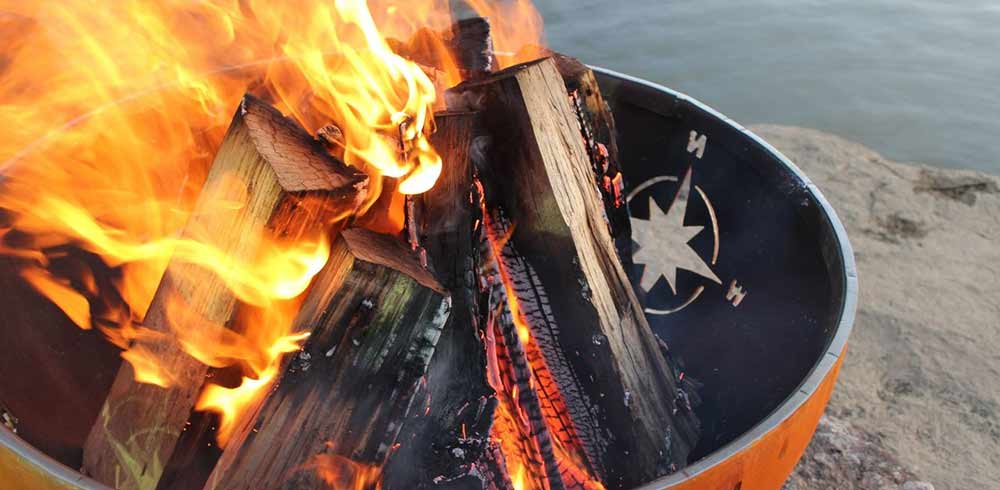
A wood fire pit offers a traditional outdoor fire experience with real flames, crackling wood, natural heat and the familiar aroma of a campfire. Before choosing one for your backyard, it helps to understand local rules, fire pit placement, the best firewood to burn, safety practices, maintenance needs and the different types of wood-burning fire pits available.
Adding a wood fire pit to your backyard can transform your outdoor space into a warm and inviting retreat for gatherings with family and friends. Whether you're toasting marshmallows, sharing stories or simply enjoying the sound of burning wood, a wood fire pit offers a cozy atmosphere that is hard to beat.
Why Choose a Wood Fire Pit?
Wood-burning fire pits remain popular because they provide an authentic fire experience that gas fire pits cannot fully replicate. The sound of crackling logs, the aroma of burning hardwood and the larger natural flame pattern create a traditional campfire feel many homeowners prefer.
- No gas line or propane tank required
- Natural flames, heat and wood-burning aroma
- Great for roasting marshmallows and casual outdoor gatherings
- Often lower upfront cost than gas fire pit systems
- Available in a wide range of sizes, materials and designs
Can I Have a Wood Fire Pit in My Backyard?

Whether you can have a wood fire pit in your backyard depends on your local regulations, fire codes and homeowner association rules. Many areas have specific requirements for fire pit placement, size, fuel type and burn conditions. Before installing or using a wood fire pit, check with your local authorities to make sure your setup is allowed.
Where Should a Wood Fire Pit Be Placed?
A wood fire pit should be placed in an open, well-ventilated area on a non-combustible surface. Keep it away from structures, overhanging branches, dry vegetation, fences, furniture and anything else that could catch fire.
- Use the fire pit on stone, brick, concrete, gravel or another non-combustible surface.
- Keep the fire pit away from your home, garage, shed, deck railings and outdoor furniture.
- Avoid placing the fire pit under trees, pergolas or covered patios unless the product is specifically approved for that type of use.
- Follow the manufacturer’s clearance requirements.
- Always follow local codes and fire restrictions.
What Wood Is Best to Burn in a Fire Pit?

The best wood for a fire pit is dry, seasoned hardwood. Hardwoods like oak, hickory, maple and ash are dense, burn longer and produce steady heat. Softwoods like pine, cedar and spruce can burn quickly, create more smoke and produce more sparks, so they are best used sparingly or avoided for regular fire pit use.
What Does Seasoned Wood Mean?
Seasoned wood is firewood that has been cut, split and dried long enough for much of its internal moisture to evaporate. Properly seasoned wood lights easier, burns hotter and produces less smoke than freshly cut or “green” wood. Most firewood should season for at least six to 12 months, while dense hardwoods like oak often need closer to a full year.
Best Firewood for Wood Fire Pits
| Wood Type | Burn Quality | Best Use | Notes |
|---|---|---|---|
| Oak | Long, hot burn | Long fires and steady heat | Should season for about one year |
| Maple | Efficient, hot burn | General fire pit use | Dense and sometimes difficult to split |
| Hickory | Very hot, long-lasting burn | High-heat fires and cooking | Excellent hardwood when properly seasoned |
| Ash | Steady, reliable burn | Everyday fire pit use | Lights easier than many dense hardwoods |
| Cherry | Medium heat | Ambiance and pleasant aroma | Can spark, but produces a pleasant scent |
| Birch | Bright, quick burn | Starting fires | Burns faster than oak or hickory |
| Pine | Fast, smoky burn | Occasional kindling only | High sap content can cause sparks and smoke |
What Wood Should You Avoid Burning?
Not all wood is safe for fire pit use. Avoid burning materials that can release harmful fumes, create excessive smoke or damage your fire pit.
- Pressure-treated lumber
- Painted, stained or sealed wood
- Plywood, particle board or MDF
- Construction debris
- Freshly cut green wood
- Wood with glue, adhesives or chemical coatings
- Trash, cardboard with ink or household waste
How to Start a Fire Pit With Wood

If you're new to wood-burning fire pits, starting a fire may seem intimidating at first. Fortunately, the process is straightforward when you use properly seasoned wood and follow a few simple steps.
- Prepare the fire pit: Make sure the fire pit is clean, dry and free of leftover ash or debris.
- Gather your materials: Use dry tinder, kindling and seasoned hardwood logs.
- Build the fire: Place tinder in the center, arrange kindling above it and stack larger logs with enough space for airflow.
- Light the tinder: Use a match or lighter to ignite the tinder. Let the kindling catch before adding more wood.
- Maintain airflow: Add logs gradually and use a poker to adjust the wood as needed.
Keep your fire manageable. A smaller, well-controlled fire is safer and usually more enjoyable than an oversized flame that produces excessive smoke and sparks.
Are Wood-Burning Fire Pits Safe?

Wood-burning fire pits can be safe when used responsibly and with proper precautions. Because they produce real flames, sparks, smoke and hot embers, they require active supervision every time they are used.
- Choose a safe location: Place your fire pit on a non-combustible surface away from structures, branches and flammable materials.
- Never leave it unattended: A responsible adult should always monitor the fire.
- Keep extinguishing tools nearby: Have water, sand or a fire extinguisher available.
- Avoid windy conditions: Wind can carry sparks and make the fire harder to control.
- Use spark protection: A fire pit screen can help contain embers.
- Let ashes cool fully: Ashes and embers can stay hot long after flames are gone.
For added protection, browse fire pit covers.
What Is a Smokeless Fire Pit?
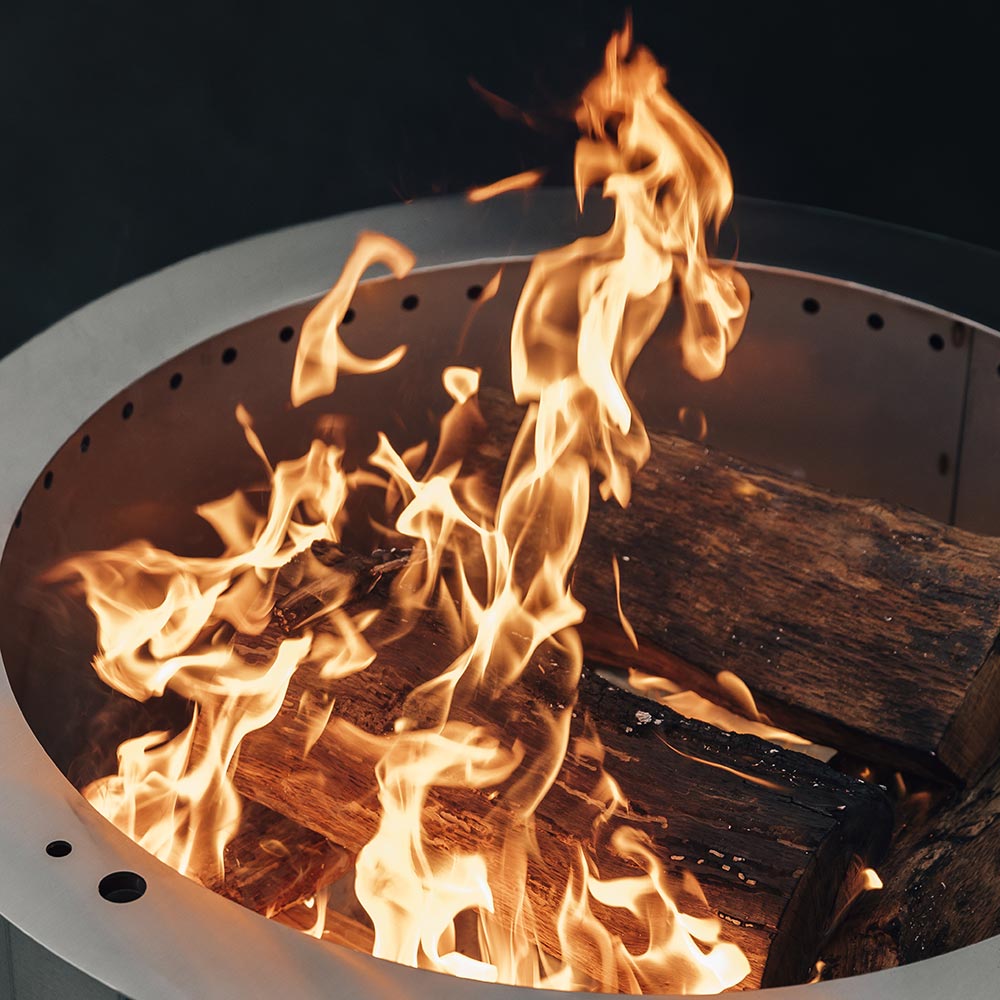
A smokeless fire pit is a wood-burning fire pit designed to reduce smoke through improved airflow and secondary combustion. As the fire burns, the design helps ignite more of the smoke particles before they leave the fire pit. No wood fire pit is completely smoke-free, but a smokeless model can significantly reduce smoke compared to a traditional open fire pit.
Smokeless fire pits are a good option if you like the feel of a wood fire but want a cleaner burn with less smoke around your seating area. Browse smokeless wood fire pits to compare available options.
How Do You Maintain a Wood Fire Pit?
Wood fire pits require regular maintenance because they produce ash, embers, soot and residue. Keeping your fire pit clean helps it perform better and last longer.
- Remove cooled ash after each use or once it begins to build up.
- Keep drainage holes clear so water does not collect inside the fire pit.
- Use a fire pit cover when the fire pit is not in use.
- Inspect metal fire pits for rust, wear or damage.
- Store portable fire pits in a dry area during harsh weather when possible.
- Clean cooking grates or accessories after use if your fire pit is designed for cooking.
How to Choose the Right Wood Fire Pit
The right wood fire pit depends on your space, style, budget and how you plan to use it. Some homeowners want a portable fire bowl for casual backyard use, while others want a larger, statement-making fire pit for a dedicated patio area.
Consider the Fire Pit Material
Wood fire pits are available in materials such as steel, cast iron, stainless steel and corten steel. Steel and cast iron are common choices for traditional wood-burning fire pits, while corten steel develops a weathered finish that works well in modern outdoor spaces.
Choose the Right Size
A smaller fire pit works well for compact patios and occasional use. A larger fire pit creates more heat and a bigger visual focal point, but it also requires more space, more wood and more clearance from nearby items.
Think About Portability
If you want flexibility, consider a portable model that can be moved or stored when not in use. If you are creating a permanent outdoor gathering area, a heavier fire pit may provide a more substantial look and feel.
Decide Whether You Want Cooking Features
Some wood fire pits are designed only for ambiance, while others can be paired with cooking grates or accessories. If you plan to cook over your fire pit, make sure the model is designed for that use.
Browse wood fire pits, Fire Pit Art fire pits, fire pit accessories and fire pit covers to build a setup that fits your outdoor space.
Wood Fire Pit FAQs
Can I cook over a wood fire pit?
Some wood fire pits can be used for cooking, but not all models are designed for it. Check the product details and use only compatible cooking grates or accessories.
Can I leave a wood fire pit outside year-round?
Many wood fire pits are designed for outdoor use, but using a cover and keeping the fire pit dry can help extend its life. Portable fire pits may benefit from indoor or covered storage during harsh weather.
How often should I remove ash from my fire pit?
Remove ash once it is completely cool and before it builds up enough to block airflow or trap moisture. Regular ash removal also helps reduce corrosion in metal fire pits.
Why is my wood fire pit smoking so much?
Excess smoke is often caused by wet, green or unseasoned wood. Poor airflow, softwoods and oversized logs can also create more smoke.
Are smokeless fire pits really smokeless?
No wood-burning fire pit is completely smokeless, but smokeless fire pits are designed to reduce smoke by improving airflow and burning more of the smoke before it escapes.
What accessories do I need for a wood fire pit?
Useful accessories include a spark screen, fire poker, fire pit cover, firewood storage, gloves and a safe way to extinguish the fire. Browse fire pit accessories to find compatible options.
What is the best wood fire pit for my backyard?
The best wood fire pit depends on your space, budget, style and how you plan to use it. A compact fire bowl may work well for small patios, while a larger steel or corten steel model may be better for a dedicated outdoor gathering area.
Final Thoughts
Wood fire pits continue to be one of the most popular ways to create a warm, inviting outdoor gathering space. By choosing the right fire pit, burning properly seasoned wood and following basic safety practices, you can enjoy years of outdoor fires with family and friends. If you need help choosing the right product, planning your project, or finding compatible components, contact our product specialists for expert guidance.




.webp)