Gas Fire Pit Components and Installation Guide
Installing a gas fire pit requires more than simply choosing a burner and turning on the gas supply. Proper planning for burners, ventilation, gas lines, ignition systems, pans, media, and fuel type all play an important role in the performance and safety of your fire feature.
This guide and video walk through the most important gas fire pit components and installation considerations before starting your project. Whether you are planning a custom fire pit, choosing a ready-to-finish kit, or selecting replacement components, understanding how these systems work together can help you avoid common installation mistakes and improve long-term performance.
What's Covered in the Video?
- Key Valves and Flanges - 0:09
- Paver Brackets - 0:49
- Keys and Valve Access - 1:25
- Ventilation - 2:40
- Flex Lines - 3:33
- Gas Fire Pit Kits - 4:25
- Burner Pans - 5:00
- Collars and Pan Supports - 5:52
- Burners - 6:45
- Burner Ports and Flame Style - 7:23
- Natural Gas vs. Propane - 7:56
- Gas Supply Planning - 8:49
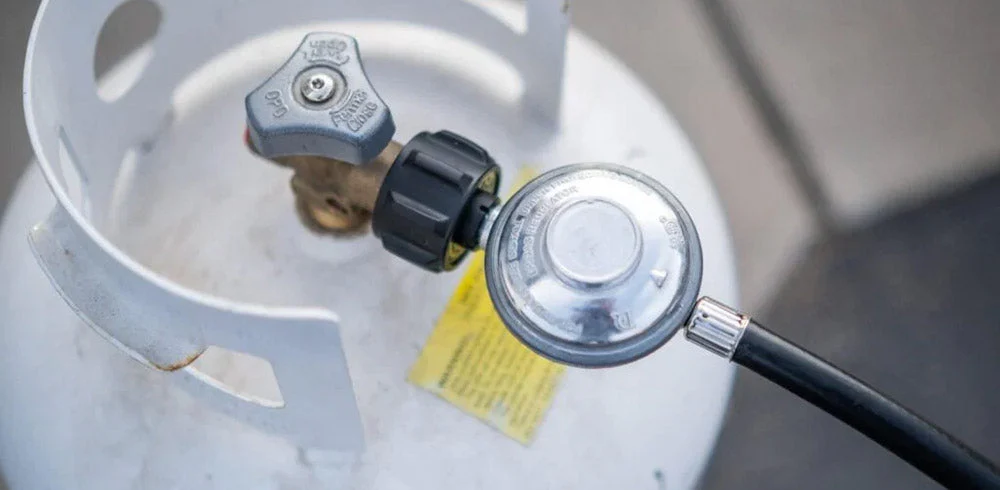
- Portable Propane Tanks - 9:35
- Gas Fittings and Leak Testing - 10:20
- How Much Heat Does a Gas Fire Pit Produce? - 11:23
- Fire Media - 12:07
- Gas Logs - 12:59
- Water and Drainage - 13:49
Gas Fire Pit Components Checklist
| Component | Purpose |
|---|---|
| Burner | Produces the flame pattern and determines BTU output. |
| Burner Pan | Supports fire media while allowing airflow and drainage. |
| Key Valve | Controls gas flow to the burner. |
| Flex Line | Connects the gas supply to the burner system. |
| Ventilation | Allows heat and gas to escape safely from the enclosure. |
| Ignition System | Lights the burner using match-light or electronic ignition. |
| Fire Media | Enhances flame appearance and helps distribute gas flow. |
Key Valves and Flanges
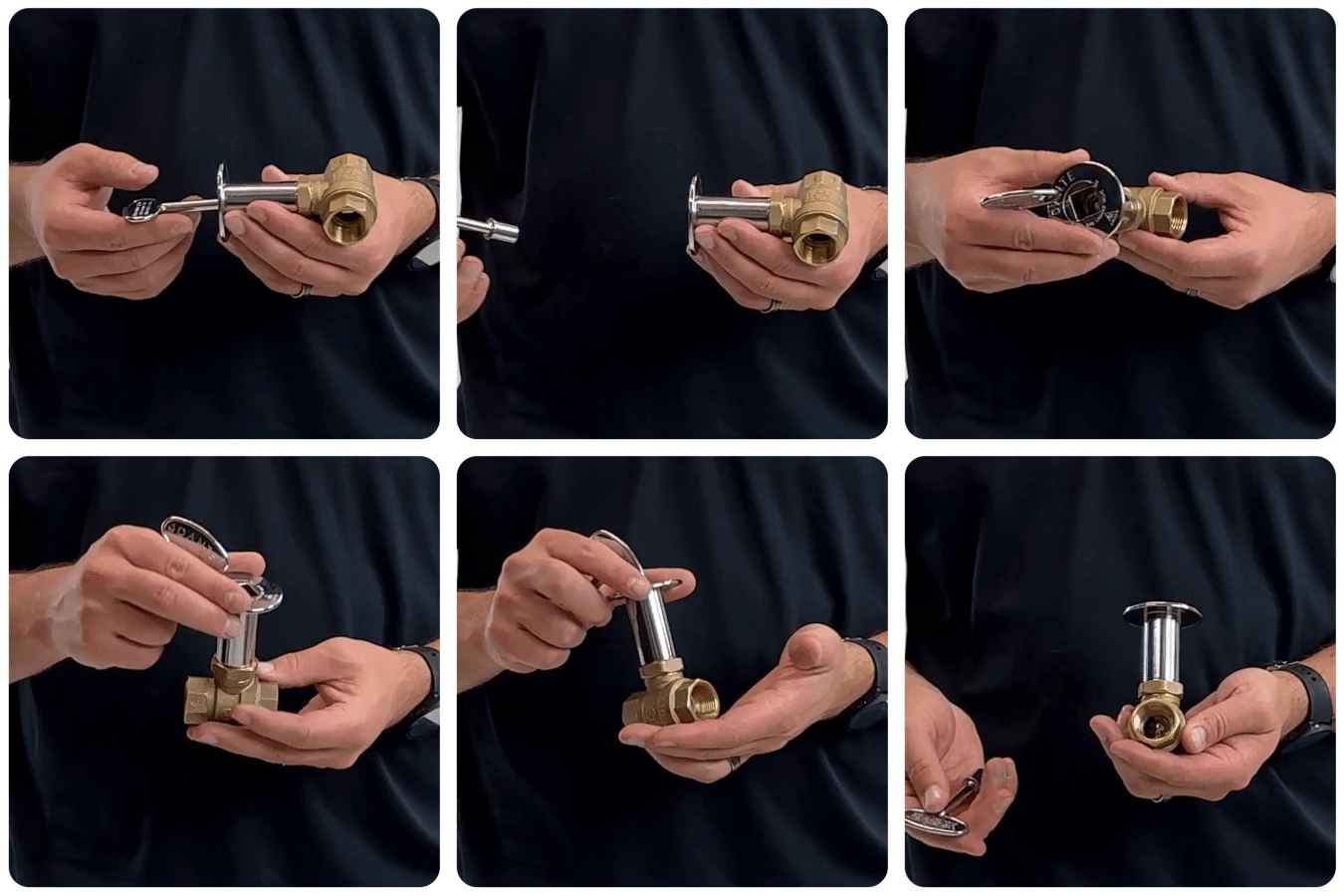
0:09
Key Valves
One of the most common questions we receive about gas fire pit kits is how to incorporate the key valve into the enclosure. In many cases, the key valve is installed through the wall or block of the fire pit using a flange extension.
These extensions allow the valve to pass cleanly through thicker fire pit walls while maintaining easy access to the shutoff valve. Depending on wall thickness, different extension lengths may be required. Most installations work well with extensions designed for walls around 8 to 12 inches thick.
Decorative flange finishes are also available if you want to coordinate with other outdoor hardware or patio finishes.
Paver Brackets
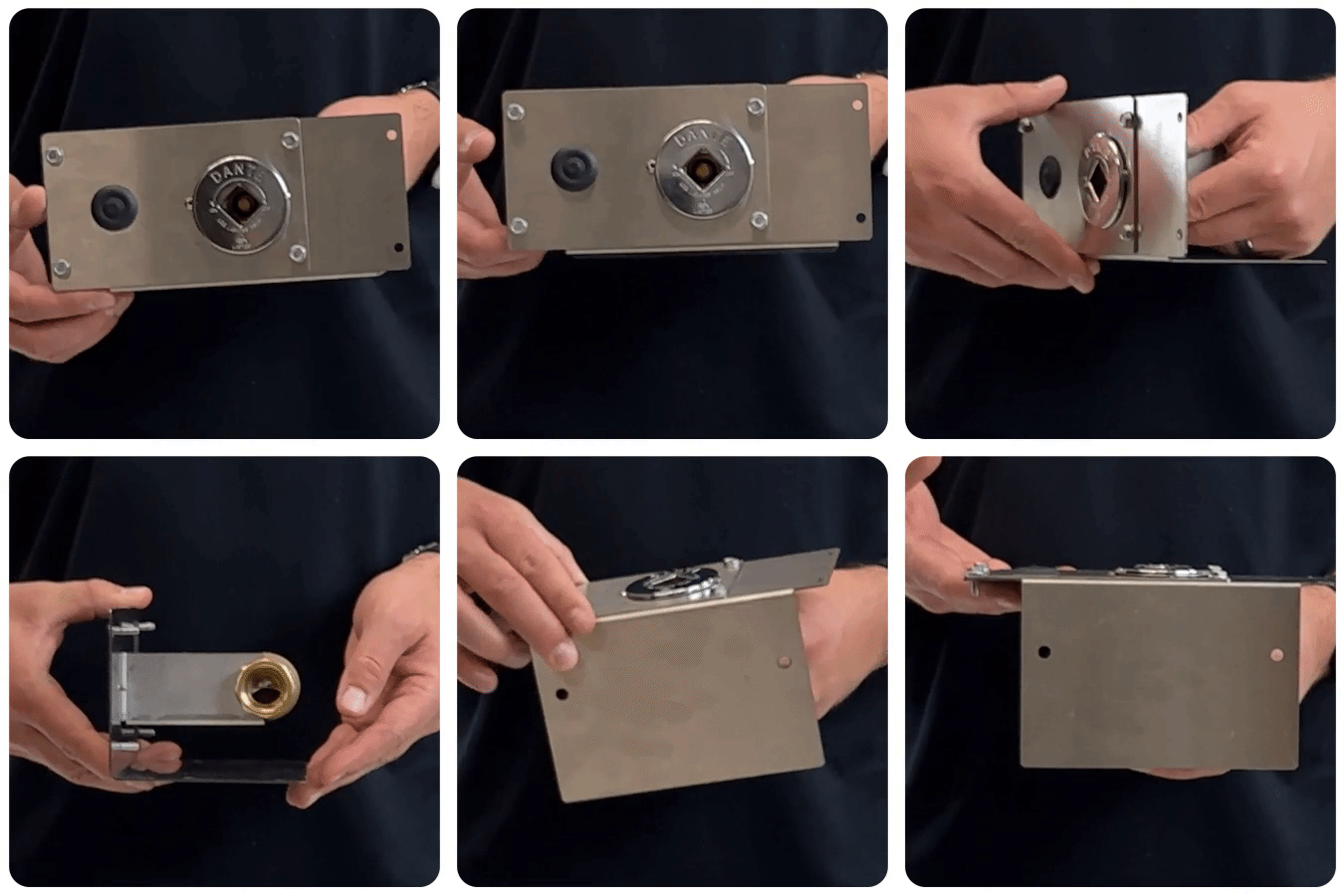
0:49
Paver Brackets
Paver brackets provide an alternative solution when drilling through block or stone is not practical. These brackets replace a full block and create a built-in cradle for the valve and flange assembly.
This can simplify installation for homeowners or contractors who do not have access to concrete core drills or specialized masonry tools.
Keys and Valve Access
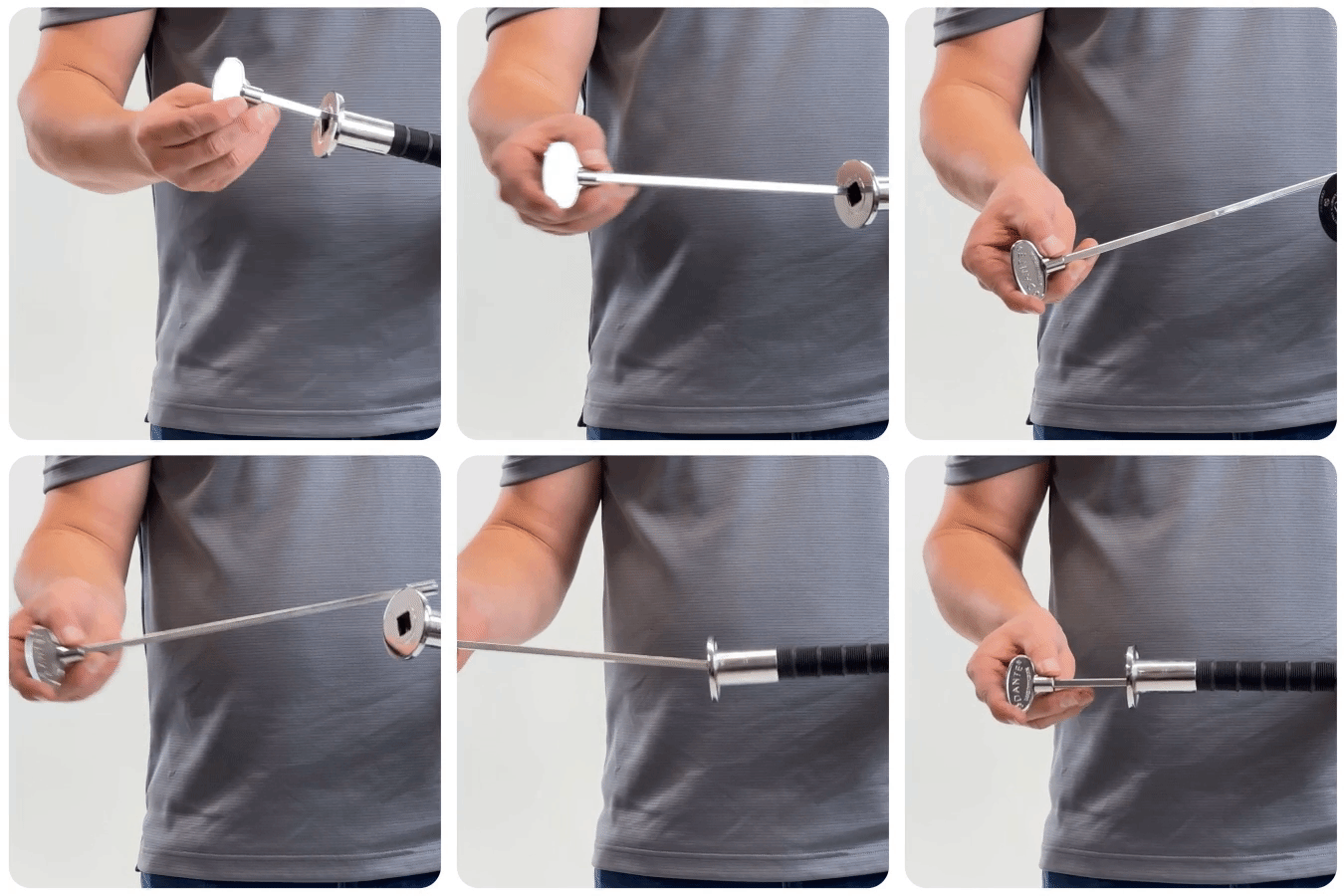
1:25
Keys
Most gas fire pit kits include a standard 3-inch key, but larger walls often require longer valve keys. Common upgrade sizes include 8-inch, 12-inch, and even 24-inch keys depending on enclosure depth.
When planning your fire pit, consider wall thickness early to ensure the valve remains easy to reach and operate comfortably.
Decorative finishes like copper, brass, and chrome can also help coordinate the valve hardware with your outdoor design style.
Ventilation
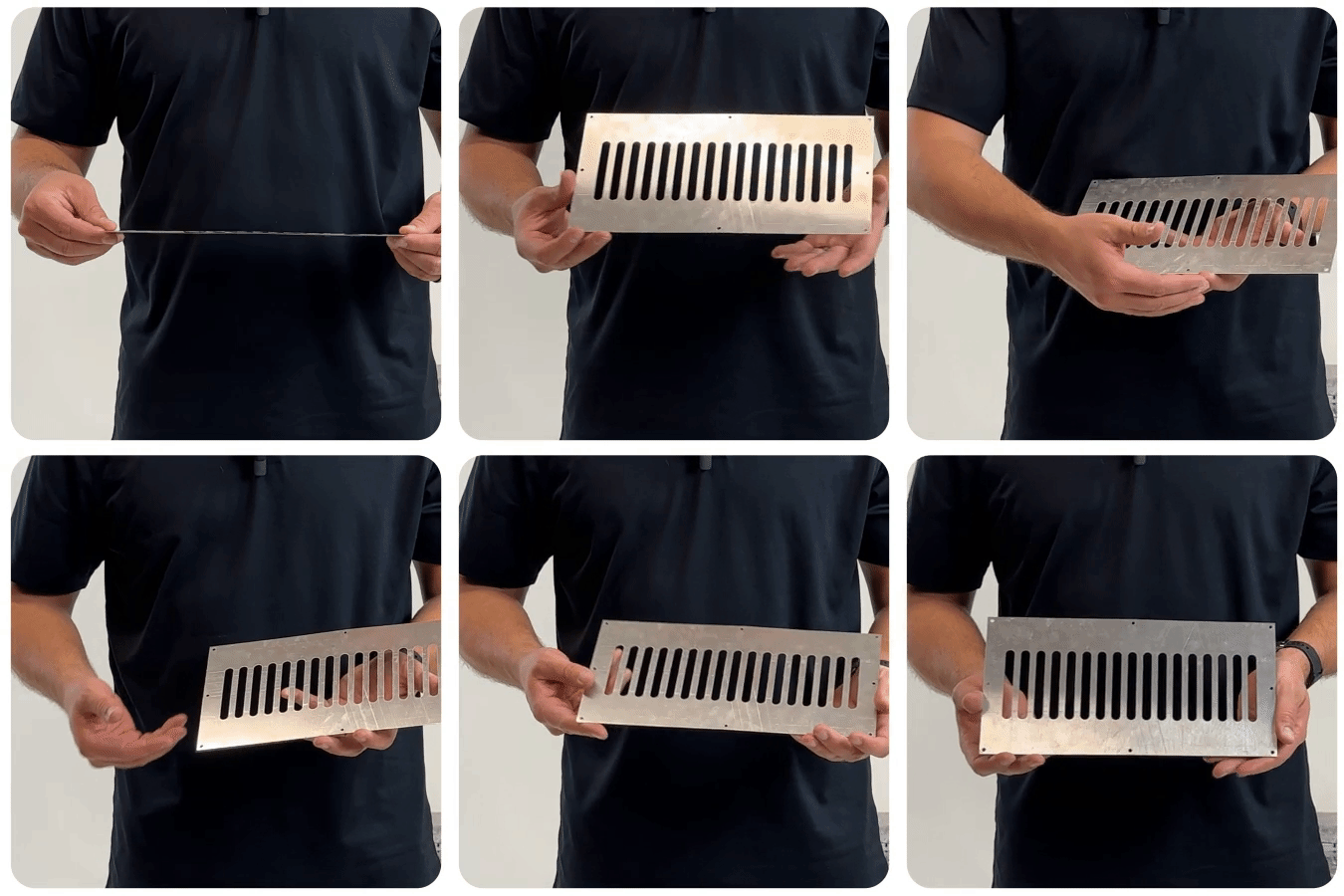
2:40
Venting
Proper ventilation is one of the most important parts of gas fire pit installation planning. Ventilation allows heat and gas to escape safely from the enclosure.
Some fire pits naturally provide ventilation through gaps between blocks or pavers, while tighter enclosures may require dedicated vent plates or ventilation brackets.
This becomes especially important for propane installations because propane is heavier than air and can collect inside enclosed spaces if ventilation is inadequate.
Flex Lines
3:33
Flex Lines
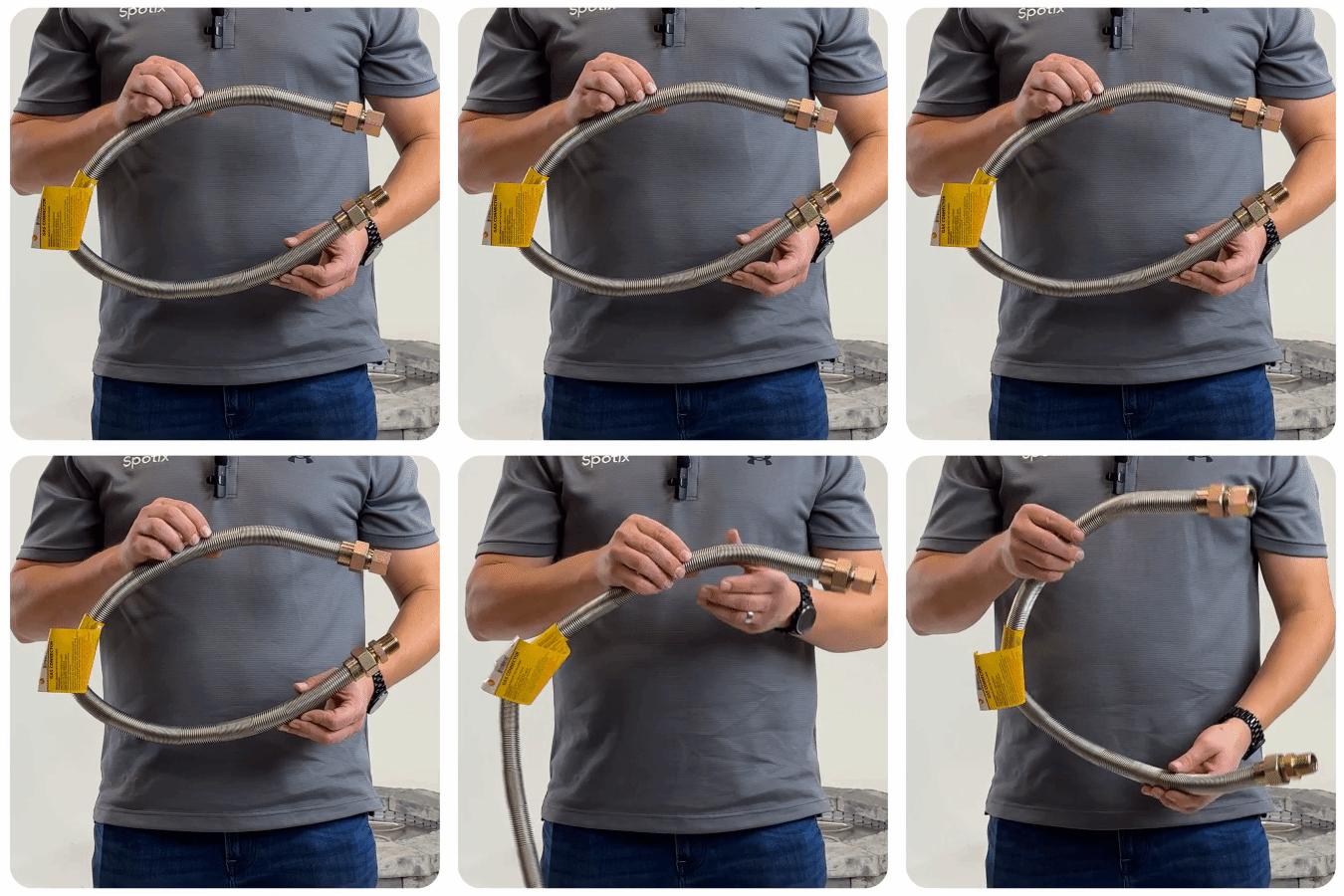
Whistle-free stainless steel flex lines are an important part of most gas fire pit kits. Unlike standard appliance connectors, whistle-free flex lines use varying corrugation spacing to help reduce the risk of unwanted noise.
Most kits use either 1/2-inch or 3/4-inch flex lines depending on burner size and gas demand.
Always make sure flare fittings are connected correctly and avoid twisting the entire line during installation.
Gas Fire Pit Kits
4:25
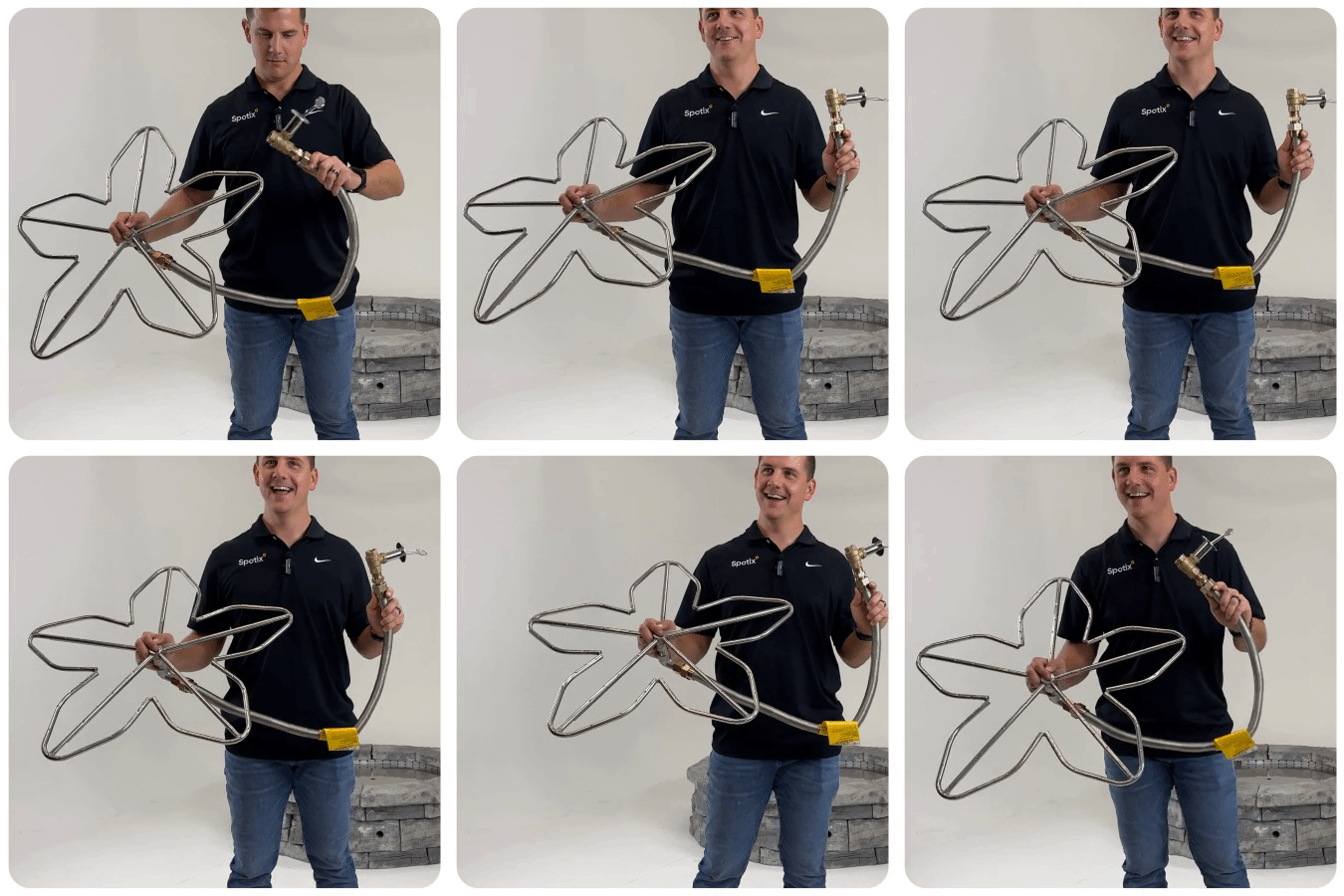
Standard Spotix Kits
A standard match-light gas fire pit kit typically includes:
- Key valve and flange
- Valve key
- Whistle-free flex line
- Street elbow fittings
- Burner connection hardware
- Optional propane air mixer for propane installations
Complete kits help simplify installation planning by ensuring the major gas components are already matched for compatibility.
Burner Pans
5:00
Pans
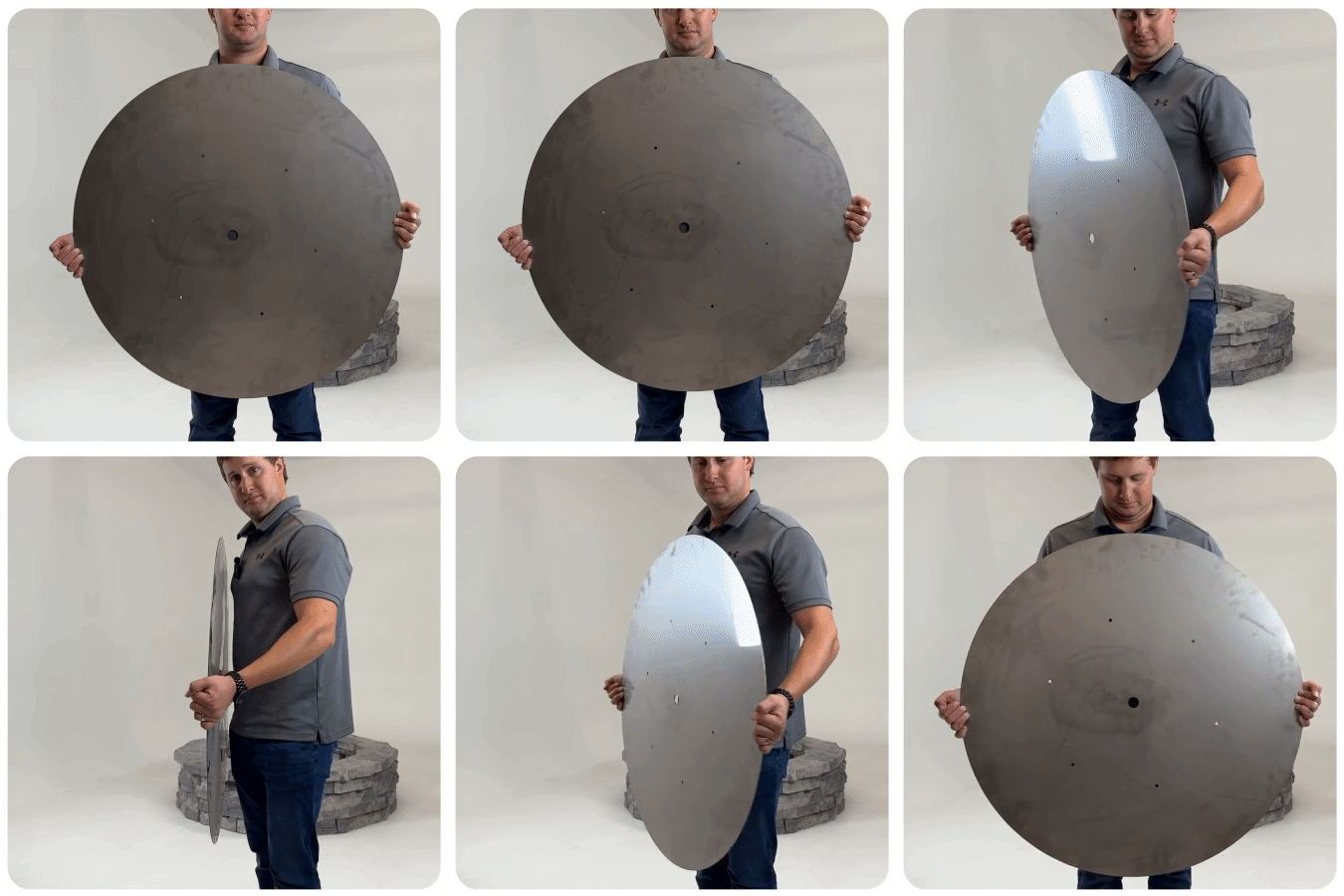
Burner pans support the burner and fire media while helping manage airflow and drainage.
Flat pans provide a cleaner appearance because the media can fully cover the metal surface, while drop-in pans simplify installation by resting directly on a ledge inside the fire pit opening.
Choosing the right pan size is important. Most burner pans should extend at least 6 inches beyond the burner dimensions.
Common Gas Fire Pit Installation Mistakes
- Insufficient ventilation
- Undersized gas supply
- Improper burner sizing
- Incorrect propane setup
- Poor drainage planning
- Using combustible materials too close to the burner
- Improperly sealed gas fittings
- Skipping leak testing
Careful planning during the design phase can help prevent many of these common performance and safety issues.
Do You Need Professional Installation?
Many homeowners handle portions of a fire pit project themselves, but gas line work and pressure sizing should generally be handled by qualified professionals.
Local building codes, fuel type, gas pressure, and burner BTU requirements can all affect installation requirements. Working with a licensed gas professional can help ensure the system is installed safely and performs properly.
Gas Fire Pit FAQs
Final Thoughts
Planning a gas fire pit involves much more than choosing a burner shape or fire media. Ventilation, gas supply, valves, burners, pans, fittings, and ignition systems all affect the performance and safety of your installation. If you need help choosing the right product, planning your project, or finding compatible components, contact our product specialists for expert guidance.