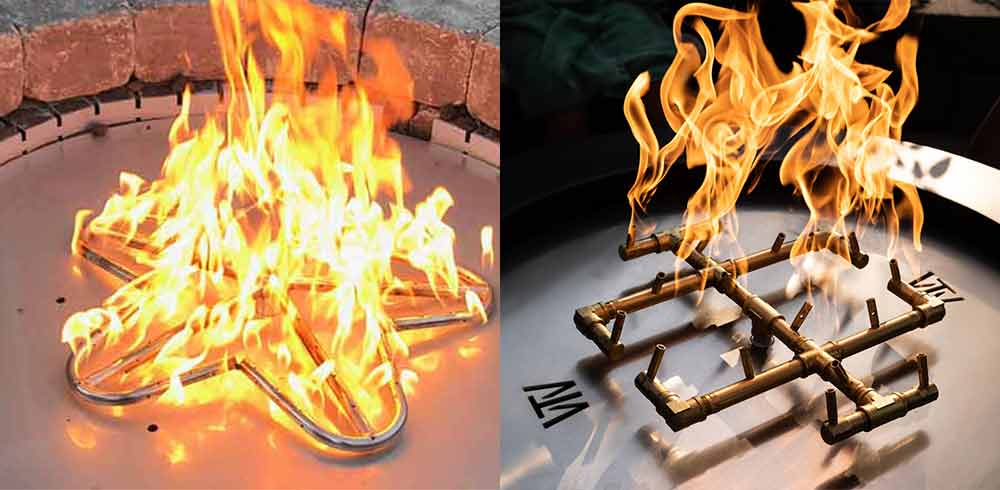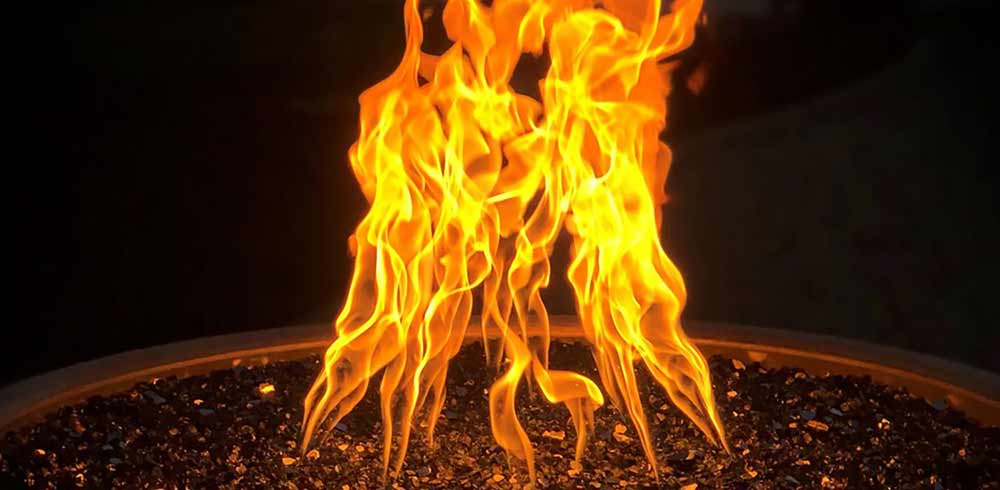
A fire pit burner controls how gas flows and burns inside a fire pit, directly affecting flame appearance, heat output, safety, and overall performance. Whether you’re building a custom fire pit or upgrading an existing setup, choosing the right gas fire pit burner is one of the most important decisions you’ll make.
Burner shape, material, ignition type, and installation depth all influence how your fire pit performs and how the finished flame presentation looks. From stainless steel ring burners to premium brass linear burners, there are options available for nearly every fire pit design and outdoor environment.
In this guide, we’ll answer the most common fire pit burner questions while also covering burner types, sizing, installation tips, ignition systems, maintenance, and burner material comparisons.
| Burner Type | Best For | Advantages |
|---|---|---|
| Ring Burner | Round fire pits | Even circular flame pattern |
| Linear Burner | Modern rectangular fire pits | Contemporary appearance |
| H-Burner | Large rectangular fire pits | Balanced flame coverage |
| Star Burner | Decorative fire pits | Unique flame presentation |
What is the Function of a Fire Pit Burner?

The burner is the core component of a gas fire pit and is responsible for producing and distributing the flame. Gas flows through a series of burner ports where it ignites to create a controlled fire pattern.
The burner’s design affects:
- Flame height
- Flame pattern
- Heat distribution
- Fuel efficiency
- Overall visual appearance
Choosing the right burner helps ensure your fire pit performs safely while delivering the flame presentation you want.
Types of Fire Pit Burners
Different burner styles are designed for different fire pit layouts and flame patterns.
Ring Burners
Ring burners are among the most common options for round fire pits because they create balanced circular flames and even heat distribution.
Linear Burners
Linear burners are popular for modern fire pits and rectangular patio layouts. They create long, clean flame lines that complement contemporary outdoor designs.
H-Burners
H-style burners are commonly used in larger rectangular fire pits where wider flame coverage is needed.
Star Burners
Star burners create more decorative flame presentations and are often used in custom fire features.
How Deep Should a Fire Pit Burner Be?

In most fire pit installations, the burner should sit approximately 2 to 4 inches below the top edge of the fire pit enclosure.
This spacing allows enough room for fire glass, lava rock, or other media while still maintaining strong visible flames.
However, burner depth may vary depending on:
- Burner size
- Media depth
- Fire pit dimensions
- Desired flame height
- Wind exposure
You can position burners deeper in larger fire pits, but excessive depth may reduce flame visibility and heat performance.
How Burner Size Affects Flame Performance

Burner size directly affects both flame appearance and heat output. Larger burners generally produce:
- Taller flames
- Higher BTU output
- Wider flame coverage
- Stronger visual impact
However, oversized burners can sometimes create inefficient fuel usage or uneven flames if they don’t properly match the fire pit enclosure.
As a general rule, burners should leave several inches of clearance between the burner edge and the inside wall of the fire pit.
How Do I Choose a Fire Pit Burner?
Choosing the right fire pit burner involves several important factors.
Shape & Size
Match the burner shape to the fire pit design. Common shapes include:
Proper sizing helps maintain even flames and balanced heat distribution.
Material
Most fire pit burners are made from either stainless steel or brass.
| Material | Advantages | Best For |
|---|---|---|
| Stainless Steel | Durable and corrosion-resistant | Most outdoor installations |
| Brass | Superior corrosion resistance | Coastal and humid climates |
Heat Output
Higher BTU burners typically generate more heat and larger flames, making them ideal for larger patios or colder climates.
Ignition System
Most systems use either:
Electronic Ignition vs Match Light
| Ignition Type | Advantages | Best For |
|---|---|---|
| Match Light | Affordable and simple | Basic fire pit setups |
| Electronic Ignition | Push-button convenience and automation | Premium installations |
Electronic ignition systems often include automatic flame sensing and shutoff features that improve convenience and safety.
Need help sizing a burner? Our product specialists can help compare burner shapes, ignition systems, and compatible fire pit components for your project.
Burner Pans vs No Burner Pan
A burner pan is a metal tray that supports the burner and fire media while improving airflow and reducing the amount of filler material needed inside the fire pit.
Benefits of burner pans include:
- Improved drainage
- Reduced media usage
- Better flame presentation
- Easier installation
- Improved burner support
Many modern fire pit installations use a burner pan to create a cleaner and more professional finished appearance.
Do You Cover the Burner in a Fire Pit?

Yes. Burners are typically covered with approved fire pit media such as:
Covering the burner helps:
- Improve aesthetics
- Create more natural flame patterns
- Distribute heat more evenly
- Protect burner components
When the fire pit is not in use, many homeowners also use burner covers or weather covers to protect components from debris and moisture.
How to Maintain a Fire Pit Burner
Routine maintenance helps maximize burner lifespan and maintain safe operation.
Recommended maintenance includes:
- Removing leaves and debris
- Inspecting burner ports for blockages
- Checking gas connections periodically
- Preventing standing water buildup
- Using protective covers during bad weather
Burners installed in coastal areas may require more frequent inspection because salt air can accelerate corrosion.
Common Fire Pit Burner Mistakes
- Oversizing the burner for the enclosure
- Using excessive fire media depth
- Ignoring ventilation requirements
- Installing without proper drainage
- Using incompatible ignition systems
- Blocking burner ports with media
Proper planning and installation are essential for safe and reliable fire pit performance.
Best Burner Material for Coastal Areas
In coastal or high-humidity environments, brass burners are often preferred because they offer superior corrosion resistance compared to many stainless steel options.
While stainless steel remains a strong choice for most outdoor environments, homeowners near saltwater often benefit from upgrading to premium brass burners for improved long-term durability.
Frequently Asked Questions
What Size Burner Do I Need?
Burners should generally leave several inches of clearance between the burner edge and the fire pit walls to maintain proper airflow and flame distribution.
Can You Replace a Fire Pit Burner?
Yes, many burners can be replaced or upgraded as long as the new burner matches the fuel type and ignition system requirements.
Should Fire Glass Completely Cover the Burner?
Fire glass should cover the burner lightly without excessively blocking burner ports or airflow.
Do Fire Pit Burners Rust?
Over time, some burners may develop corrosion depending on material quality and environmental exposure. Brass burners typically resist corrosion best.
Are Electronic Ignition Systems Worth It?
Electronic ignition systems are popular because they offer convenient startup, flame sensing, and automated safety shutoffs.
Final Thoughts
The burner is one of the most important components in any gas fire pit because it directly affects flame appearance, heat output, safety, and long-term performance. Choosing the right burner shape, material, ignition system, and installation setup can dramatically improve both the functionality and appearance of your fire feature. Whether you're planning a DIY project or upgrading an existing fire pit, understanding burner basics can help you avoid common installation mistakes and achieve better results. If you need help selecting the right burner, sizing components, or planning your fire pit installation, contact our product specialists for expert guidance.