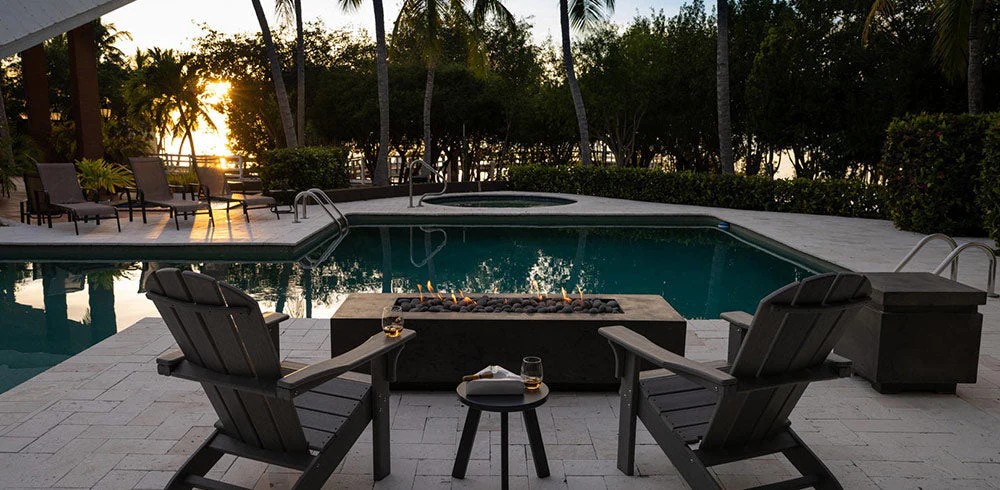
Concrete fire pits are popular because they combine durability, design flexibility, and long-lasting outdoor performance. Most homeowners choose concrete fire pits for their modern appearance, low maintenance requirements, and ability to withstand outdoor conditions when properly built and maintained.
When it comes to outdoor living, concrete fire pits are a popular choice for their durability, versatility, and heat retention. However, if you're considering adding one to your space, you might have questions about cost, maintenance, ventilation, and potential issues like cracking. In this article, we'll answer some of the most common FAQs about concrete fire pits to help you make an informed decision.
Concrete Fire Pit FAQs at a Glance
| Question | Quick Answer |
|---|---|
| Does concrete make a good fire pit? | Yes, concrete is durable, versatile, and well-suited for outdoor fire features. |
| How much does a concrete fire pit cost? | Pricing can range from a few hundred dollars to several thousand depending on size, materials, and design. |
| Will concrete crack? | It can, but proper construction, curing, reinforcement, and heat protection reduce the risk. |
| Do concrete gas fire pits need ventilation? | Yes, gas fire pits require proper ventilation for safe operation. |
| Can concrete fire pits stay outside year-round? | Most outdoor-rated concrete fire pits can stay outside, but covers and maintenance help extend lifespan. |
Does Concrete Make a Good Fire Pit?

Yes, concrete is an excellent material for fire pits. It is durable, versatile, and well-suited for outdoor use when the fire pit is properly designed and maintained.
- Durability: Concrete can withstand many outdoor weather conditions, making it a strong option for patios and outdoor living spaces.
- Versatility: Concrete can be formed into various shapes and sizes, allowing for modern, rustic, or custom fire pit designs.
- Heat retention: Concrete retains heat well, helping the fire pit stay warm during cool evenings.
- Low maintenance: Concrete does not rust or rot, and occasional cleaning is usually enough to keep it looking good.
How Much Does a Concrete Fire Pit Cost?

Concrete fire pit pricing varies significantly depending on size, materials, burner system, ignition type, and whether the fire pit is custom-built or factory-made. A basic concrete fire pit may cost between $300 and $700, while more elaborate or custom-built designs can range from $1,000 to more than $3,000.
The final cost can depend on several factors:
- Size: Larger fire pits generally cost more because they require more materials and labor.
- Design complexity: Custom shapes, detailed finishes, or unique designs can increase the price.
- Materials: The concrete type, finish, burner components, and decorative materials can affect the total cost.
- Installation: Professional installation will add to the overall cost. DIY kits may save money but require more effort and skill.
- Fuel and ignition system: Natural gas, propane, match light, and electronic ignition systems can all affect pricing.
Will a Poured Concrete Fire Pit Crack?

Concrete can crack due to temperature changes, moisture, settling, or improper construction, but there are ways to minimize the risk. In many cases, small hairline cracks are cosmetic and do not necessarily mean the fire pit is failing.
GFRC, or glass fiber reinforced concrete, is commonly used in many manufactured concrete fire pits because it can offer improved strength and reduced weight compared to traditional poured concrete. In freeze-thaw climates, proper care and protection are especially important because moisture expansion can increase the risk of cracking over time.
- Proper mixing: Ensuring the concrete mix is correctly proportioned and mixed can help prevent cracks. Fiber reinforcement can also increase strength.
- Curing: Proper curing helps concrete develop maximum strength and reduce future cracking risk.
- Expansion joints: Expansion joints can accommodate natural expansion and contraction caused by temperature changes.
- Heat resistance: Using a heat-resistant mix or adding fire bricks can help protect concrete from intense heat.
- Weather protection: Covering the fire pit when not in use can help reduce moisture exposure and extend its lifespan.
How Do You Vent a Concrete Fire Pit?

Proper ventilation is crucial for the safe operation of a concrete gas fire pit, especially when using natural gas or propane. Venting allows gas to escape and helps prevent excessive heat buildup, reducing the risk of potential hazards like gas accumulation or structural damage.
For pre-built concrete fire pits, ventilation is often already built into the fire pit. However, if you are building a DIY concrete fire pit with pavers or a custom enclosure, ventilation must be planned carefully.
For natural gas fire pits, which use lighter-than-air gas, vents are often placed higher on the fire pit structure to allow gas to escape upward. Propane fire pits, which use heavier-than-air gas, require lower ventilation so gas can safely disperse. Propane installations also typically require an air mixer to allow oxygen to mix with propane as it enters the fire pit.
Cross-ventilation, achieved by placing vents on opposite sides, is ideal for maintaining balanced airflow and internal temperatures. To help ensure effective ventilation, each vent should provide at least 36 square inches of open space, and multiple vents may be necessary depending on the fire pit's size and design. Using vent covers can help maintain the fire pit's appearance while protecting against debris and weather.
Do All Concrete Fire Pits Need Ventilation?
Concrete gas fire pits require proper ventilation because natural gas and propane need safe airflow inside the enclosure. Wood-burning concrete fire pits have different airflow needs and should still be designed with proper combustion and safety in mind. Always follow the manufacturer’s installation instructions and local code requirements.
How Long Do Concrete Fire Pits Last?
A quality concrete fire pit can last for many years with proper care. Lifespan depends on material quality, construction method, weather exposure, maintenance, and whether the fire pit is protected when not in use.
Factory-made concrete and GFRC fire pits are designed for outdoor use, while custom poured concrete fire pits depend heavily on proper construction and installation. Regular cleaning, seasonal inspections, and using a compatible cover can help extend the life of your fire pit.
Are Concrete Fire Pits Safe?
Concrete fire pits can be safe when they are properly designed, installed, and used according to manufacturer instructions. Gas fire pits require correct burner installation, proper ventilation, secure gas connections, and adequate clearance from combustible materials.
For custom or DIY projects, it is especially important to use fire-rated components and follow all local codes. If you are unsure about gas connections, ventilation, or clearances, work with a qualified professional before operating the fire pit.
Do Concrete Fire Pits Get Hot?
Yes, concrete fire pits can get hot during use, especially near the burner, fire media, and upper surfaces around the flame. The amount of heat depends on the burner size, BTU output, fire pit design, and length of operation.
Allow the fire pit to cool completely before covering, cleaning, or touching areas close to the flame. Keep children, pets, and combustible materials a safe distance away while the fire pit is operating.
What Is the Best Material for a Concrete Fire Pit Burner?
Stainless steel and brass are common burner materials for concrete gas fire pits. Stainless steel is popular for its strength, corrosion resistance, and modern appearance, while brass is known for durability and strong resistance to rust and corrosion.
The best burner material depends on your environment, budget, and performance expectations. Coastal areas, heavy-use installations, and high-end projects may benefit from premium burner materials designed for long-term outdoor performance.
Can Concrete Fire Pits Stay Outside Year-Round?
Most outdoor-rated concrete fire pits are designed to stay outside year-round. However, exposure to moisture, freezing temperatures, debris, and UV light can affect the finish and long-term appearance over time.
Using a compatible cover when the fire pit is not in use, keeping the burner area clean, and following the manufacturer's maintenance instructions can help protect your investment. In cold climates, it is especially important to prevent standing water from freezing inside or around the fire pit.
Final Thoughts
Concrete fire pits remain one of the most popular outdoor fire feature options because they offer durability, design flexibility, and long-term performance. Whether you're considering a ready-made fire pit or planning a custom project, understanding factors like cost, ventilation, maintenance, and cracking can help you choose the right option for your space.
If you need help choosing the right product, planning your project, or finding compatible components, contact our product specialists for expert guidance.