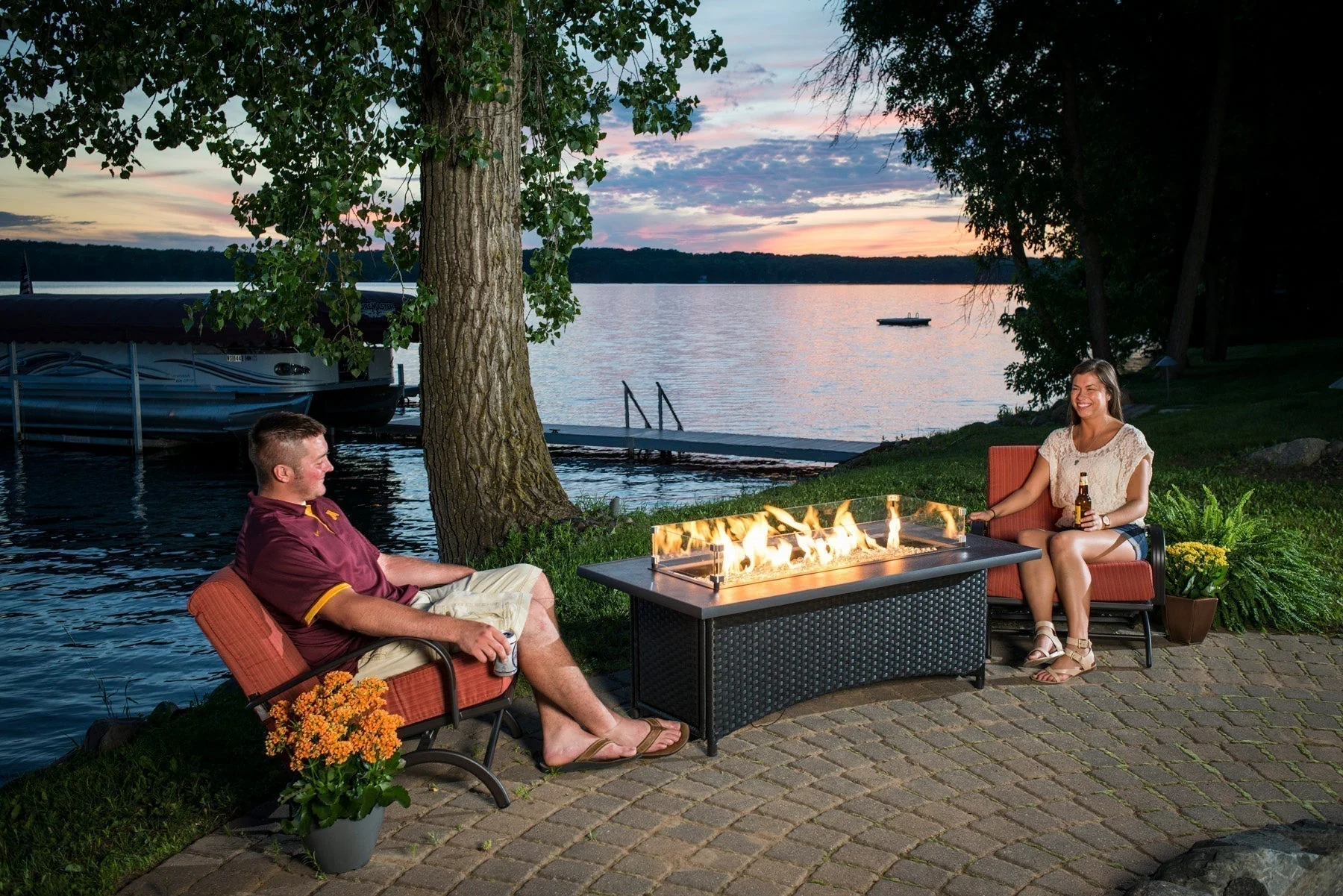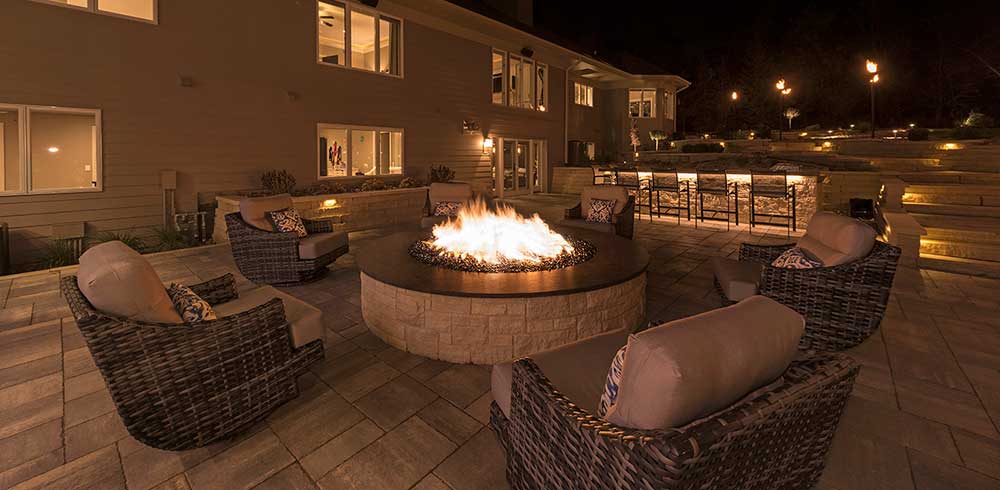
Quick Answer: Beginner fire pit projects usually come down to three key decisions: choosing gas or wood, selecting the right size, and deciding between a prefab fire pit or a custom DIY fire pit kit. Once you understand those choices, it becomes much easier to plan a fire feature that fits your space, budget, and outdoor living goals.
With the wide array of fire pit options on the market, it can be tough to narrow down exactly which fire pit is right for your needs. Choosing the style, size, design, and functionality of your new fire feature means making several important decisions, and you’ll want to get each of them right so you can enjoy maximum value from your new purchase.
That’s why the expert team here at Firepits Direct assembled this beginner-friendly guide to backyard fire pit projects, fire pit ideas, and outdoor fire pit designs. Use it to compare your options and choose the best starting point for your home or business.
Best Beginner Fire Pit Project Ideas
| Project Type | Best For | Why Beginners Like It |
|---|---|---|
| Prefab Gas Fire Pit | Easy setup and clean operation | Ready-made design with convenient ignition and limited cleanup |
| Wood-Burning Fire Pit | Traditional campfire feel | Simple design, strong heat, and natural flame appearance |
| DIY Gas Fire Pit Kit | Custom fire pit builds | Includes key burner components while allowing a custom enclosure |
Backyard Fire Pit Ideas: Gas or Wood?

The first decision you’ll need to make is whether you want a gas fire pit or a wood-burning fire pit. Both have their merits, and there isn’t a single right answer. It comes down to your space, budget, maintenance preferences, and the type of fire experience you want.
While we primarily specialize in gas fire pits here at Firepits Direct, we also love wood-burning fire pits. Here’s a simple breakdown to help you decide which fuel type fits your project.
| Fuel Type | Pros | Cons |
|---|---|---|
| Gas Fire Pits | Easy startup, limited smoke and soot, clean operation | Generally more expensive, more components, often less heat than wood |
| Wood Fire Pits | Strong heat output, natural flame appearance, simple long-lasting design | More ash and smoke, requires firewood, must be built and cleaned out after use |
Gas Fire Pit Project

A gas fire pit is often the easiest beginner project if you want a clean, convenient flame. Many models are available as complete fire pits, which means you can choose a finished design instead of building the enclosure yourself. Gas fire pits are especially popular for patios, modern outdoor living spaces, and areas where smoke control is a priority.
Wood Fire Pit Project

A wood fire pit is a great choice if you want a more traditional backyard fire experience. Wood-burning models offer strong heat and a natural flame, making them a favorite for casual gathering areas. Just keep in mind that wood fire pits require more cleanup, proper firewood storage, and attention to local burn regulations.
Outdoor Fire Pit Area Ideas: Big or Small?

Once you’ve decided on the fuel type for your fire pit, the next project decision is size. Fire pits generally range from small 24-inch fire bowls to impressive 80-inch linear fire pits, with plenty of options in between. One of the most popular size ranges is 48 to 54 inches.
While many homeowners love the idea of a large statement fire pit, the best beginner project is the one that fits your space and is easy to use regularly. Consider these factors before choosing a size:
- Space Constraints - The fire pit you choose needs to be suitable for the area where it will be installed. If you have a small patio or compact outdoor relaxation area, a fire pit that’s too large can make the space feel crowded.
- Budget - Larger fire features generally cost more. Choosing a smaller fire pit may leave more room in your budget for a better finish, upgraded ignition system, or additional accessories.
- Fuel Consumption - A bigger fire pit usually has a bigger burner, which means it will use more fuel. This is especially important if you want to run your fire pit from a standard 20-pound propane tank.
- Weight - Weight matters if you’re placing your fire pit on a wood or composite deck. Larger fire pits typically weigh more, so confirm that your structure can support the unit before installing it.
DIY Fire Pit Ideas: Custom or Prefab?

Another important beginner project decision is whether to buy a complete prefab fire pit or design a custom fire feature. If your backyard fire pit ideas aren’t covered by existing ready-made models, then you may want to consider a DIY fire pit kit. These kits provide the core components needed to start your custom fire pit project.
A DIY fire pit kit is ideal for homeowners who want more control over the final appearance of their fire feature. Each kit typically includes the internal plumbing, burner, and ignition components, leaving you to decide the enclosure size, materials, shape, and overall style.
Frequently Asked Questions about Gas Fire Pit Designs
Final Thoughts
A beginner fire pit project does not have to be complicated. Start by choosing between gas and wood, then narrow your options by size, budget, and whether you want a prefab fire pit or a custom kit. If you need help choosing the right product, planning your project, or finding compatible components, contact our product specialists for expert guidance.