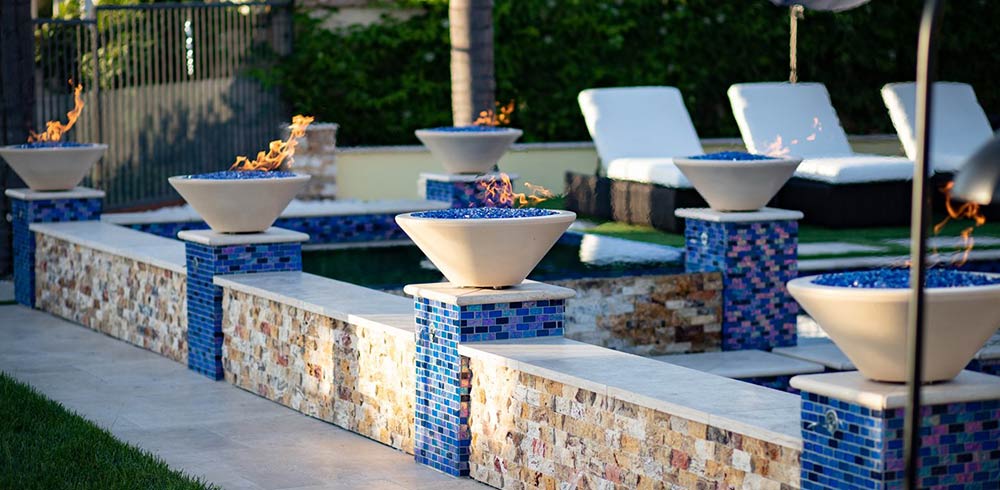
The best fire pit ignition system depends on your budget, desired level of convenience, installation requirements, and how you plan to use your fire pit. Match light systems are simple and cost-effective, while electronic ignition systems offer the highest level of convenience and automation. Spark ignition and flame-sensing systems provide a middle ground between simplicity and advanced safety features.
Choosing the right ignition type for your fire pit can greatly influence your experience, safety, and convenience. Each type of ignition system offers different benefits, making it important to choose the option that best fits your fire pit project, outdoor space, and budget.
Fire Pit Ignition Types Compared
| Ignition Type | Best For | Power Required | Convenience Level |
|---|---|---|---|
| Match Light | Simple DIY projects and budget-conscious buyers | No | Basic |
| Spark Ignition | Easy push-button lighting | Usually battery | Moderate |
| Flame Sensing | Added safety and flame monitoring | Usually battery | High |
| Electronic Ignition | Premium fire pits and outdoor living spaces | Electrical power or battery, depending on system | Highest |
Match Light Ignition: Best for Simplicity and Value

Match light fire pit kits are the simplest and most traditional ignition type. As the name suggests, you use a match or lighter to ignite the fuel. These kits are straightforward and do not require any electrical components or batteries, making them a reliable choice for those who prefer a low-tech solution.
Best For
- DIY fire pit projects
- Budget-conscious homeowners
- Outdoor spaces without electrical access
- Simple fire pit installations
Advantages
- Simplicity: Easy to use and maintain without complex mechanisms.
- Cost-effective: Generally less expensive compared to other ignition systems due to fewer components.
- Reliability: Less likely to experience malfunctions because there are no electronic parts to fail.
Considerations
- Manual ignition: Requires manual lighting every time you use the fire pit, which may be less convenient in adverse weather conditions.
- Safety: The area around the fire pit should be clear of flammable materials before lighting.
- Convenience: This option does not offer remote control, flame monitoring, or automatic shutoff features.
Spark Ignition: Best for Easy Push-Button Lighting

Spark ignition fire pit kits use a piezoelectric igniter to create a spark that ignites the gas. This system is slightly more advanced than match light kits and provides a convenient way to start a fire without using an open flame.
Best For
- Homeowners who want easier startup than match light ignition
- Fire pits where battery-powered ignition is preferred
- Users who want a simple push-button style experience
- Projects that do not require full electronic ignition
Advantages
- Convenience: Provides a more reliable and hassle-free ignition compared to match light kits.
- Safety: Reduces the need to use a match or lighter near the burner.
- Durability: Generally robust and designed to withstand outdoor conditions.
Considerations
- Maintenance: Requires periodic checks to ensure the spark igniter is functioning properly.
- Power source: Typically powered by batteries, which need to be replaced over time.
- Features: Spark ignition is convenient, but it may not include the same safety or automation features as more advanced systems.
Flame Sensing Ignition: Best for Added Safety

Flame-sensing fire pit kits feature a built-in sensor that detects the presence of a flame. Once the fire is lit, the sensor helps ensure the flame remains on by monitoring flame presence and controlling gas flow. This system is designed to provide a safer and more consistent fire pit experience.
Best For
- Homeowners who want added safety features
- Poolside or high-end outdoor living installations
- Fire pits where flame monitoring is preferred
- Projects where automatic gas shutoff is a priority
Advantages
- Automatic control: Monitors flame presence to support safer operation.
- Convenience: Reduces the need for manual adjustments once the fire is lit.
- Safety: Designed to shut off the gas supply if the flame goes out, helping prevent potential hazards.
Considerations
- Complexity: More complex than basic ignition systems, which may require professional installation.
- Cost: Generally more expensive due to the added technology and components involved.
- Maintenance: Sensors and ignition components should be inspected according to manufacturer guidelines.
Electronic Ignition: Best for Premium Outdoor Living Spaces

Electronic ignition fire pit kits use an electronic system to ignite the gas. This type often includes a switch, push-button start, remote control, or advanced control system depending on the model. Electronic ignition is a popular choice for premium outdoor living spaces where convenience and advanced features matter.
Best For
- Premium outdoor living projects
- Natural gas fire pits with permanent installations
- Homeowners who want easy operation
- Projects requiring remote, switch, or smart control options
Advantages
- Ease of use: Allows for easy lighting with a switch, push-button, or remote control.
- Precision: Some systems provide more precise control over flame size and intensity.
- Advanced features: Some systems include timers, remote control options, flame monitoring, or safety shutoffs.
Considerations
- Power source: Requires electricity or a compatible power source, depending on the system.
- Cost: Generally the most expensive option due to the sophisticated technology and components.
- Installation: Professional installation is often recommended, especially for permanent gas fire pit projects.
Do I Need Electricity for My Fire Pit Ignition System?
Not every fire pit ignition system requires electricity. Match light systems do not require electrical power or batteries, making them a simple option for many DIY installations. Spark ignition and some flame-sensing systems often rely on batteries, while electronic ignition systems may require a direct electrical connection or specific power supply.
If your fire pit will be installed in a location without easy electrical access, a match light or battery-powered system may be a better fit. If you are planning a permanent fire feature with remote control, smart controls, or advanced safety features, electronic ignition may be worth the added installation requirements.
Which Fire Pit Ignition System Should You Choose?
The easiest way to choose an ignition system is to think about what matters most for your project. Some homeowners prioritize cost and simplicity, while others want convenience, flame monitoring, or premium controls.
| If You Want... | Consider This Ignition Type |
|---|---|
| The lowest cost option | Match Light |
| Simple push-button convenience | Spark Ignition |
| Added safety and flame monitoring | Flame Sensing |
| Remote, switch, or premium control options | Electronic Ignition |
| A simple DIY fire pit build | Match Light or Spark Ignition |
| A high-end permanent installation | Flame Sensing or Electronic Ignition |
Which Ignition System Is Most Popular?
Match light systems remain popular for DIY fire pit builds because they are simple, affordable, and do not require power. They are often a practical choice for homeowners who want a straightforward gas fire pit without advanced controls.
Electronic ignition systems are becoming increasingly popular for premium outdoor living spaces, especially when homeowners want switch operation, remote control, or smart-style convenience. Flame-sensing systems are also common in higher-end installations where added safety and automatic shutoff features are important.
Frequently Asked Questions About Fire Pit Ignition Types
What is the safest fire pit ignition system?
Flame-sensing and electronic ignition systems typically offer the most advanced safety features because they may include flame monitoring and automatic gas shutoff. The safest option for your project depends on the specific system, installation, and manufacturer requirements.
Does electronic ignition require electricity?
Many electronic ignition systems require electrical power, though the exact power requirements vary by model. Some systems use batteries, while others require a direct power source or transformer.
Is match light ignition reliable?
Yes. Match light ignition is reliable because it has fewer components and does not rely on batteries or electricity. However, it requires manual lighting every time you use the fire pit.
Can fire pit ignition systems be upgraded later?
In some cases, ignition systems can be upgraded, but compatibility depends on the burner, pan, fuel type, enclosure, and manufacturer specifications. It is often easier to choose the right ignition system before installation.
Which ignition type is best for DIY fire pits?
Match light ignition is often best for simple DIY fire pit projects because it is affordable and does not require electrical components. Spark ignition can also be a good option if you want easier lighting without moving to a full electronic system.
Which ignition system is best for natural gas fire pits?
Natural gas fire pits can use match light, spark ignition, flame-sensing, or electronic ignition systems depending on the product. For permanent natural gas installations, many homeowners choose flame-sensing or electronic ignition for added convenience and safety features.
Final Thoughts
The best fire pit ignition system depends on how you plan to use your fire pit, your installation requirements, and the level of convenience you want. While match light systems remain a reliable and affordable option, many homeowners are choosing flame-sensing and electronic ignition systems for their added safety and ease of use.
If you need help choosing the right ignition system, burner, or fire pit kit for your project, contact our product specialists for expert guidance.