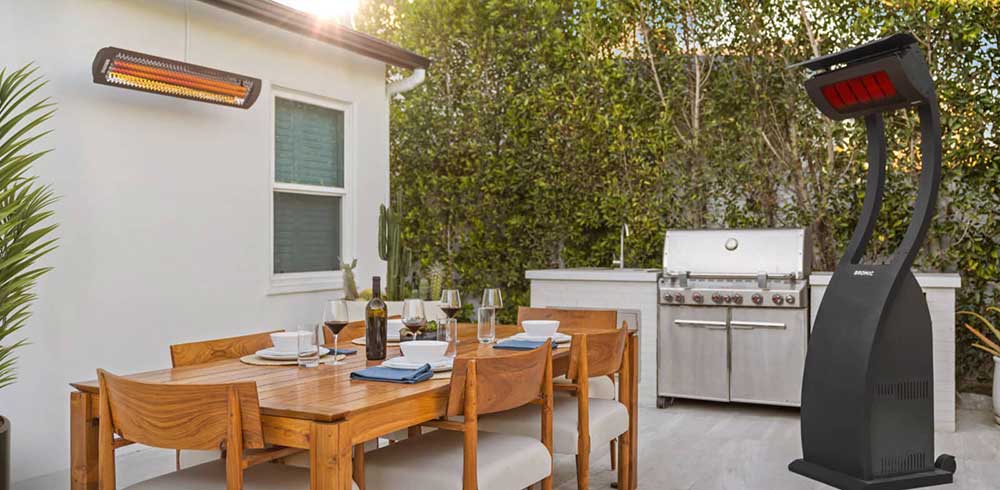
The best outdoor patio heater depends on your space, fuel availability, mounting requirements, and heating goals. Gas patio heaters are a strong choice for open outdoor spaces and high heat output, while electric patio heaters are ideal for covered patios and areas where gas is not available.
.jpg)
Why Buy an Outdoor Patio Heater?
Outdoor patio heaters are an excellent solution for both restaurants and homeowners to meet the needs of customers, family, and friends for outdoor dining and entertaining. Fortunately, these impressive units can be just as useful for the homeowner looking to extend their patio season as they are for the restaurateur looking to create a year-round outdoor dining experience. In both cases, a patio heater can make the difference between comfortable guests and no guests.
Not all patio heaters are the same, however, so we’ve put together this guide to help you decide which patio heater is right for your space. Whether you’re looking for a powerful outdoor gas heater to warm a large space, a sleek electric patio heater to take the chill out of the air, or something in between, we have you covered.
Table of Contents
- Perks of Outdoor Heaters
- Gas vs. Electric Patio Heaters
- Types of Outdoor Heaters
- Patio Heater Mounting Options
- The Best Patio Heater for Your Situation
- How Much Area Can a Patio Heater Heat?
- Are Patio Heaters Expensive to Operate?
- Popular Patio Heater Brands
- Outdoor Torches as a Complement to Patio Heaters
- Patio Heater Buying Checklist
- Patio Heater FAQs
- Learn More About Patio Heaters
Perks of Outdoor Heaters
Patio heaters are an excellent option for outdoor heating because they use radiant heating to warm a space. While the warmth from forced-air or convection current heaters can be carried away by the wind on a breezy day, a radiant heater works differently, similar to the heat from the sun on a clear day.
Outdoor heaters are available in a variety of shapes, sizes, and price points to meet the needs of your installation. These products are also fairly low maintenance, so while your initial investment may be high depending on the area you’re looking to heat, a properly installed heater should last you many years, even in unforgiving weather.
Gas vs. Electric Patio Heaters
The first major decision is whether a gas or electric patio heater makes more sense for your space. Both can work well, but they differ in heat output, installation requirements, and ideal use cases.
| Feature | Gas Patio Heaters | Electric Patio Heaters |
|---|---|---|
| Best For | Open patios, restaurants, large outdoor spaces, and areas needing higher heat output. | Covered patios, screened spaces, pergolas, and areas where gas is not available. |
| Heat Output | Typically higher. | Moderate to strong depending on wattage and installation. |
| Installation | May require gas line installation or propane tank setup. | May plug into standard power or require hardwiring. |
| Portability | Portable propane models are available. | Some portable models are available, but many are fixed installations. |
| Covered Area Use | Must follow ventilation and clearance requirements. | Often better suited for covered or semi-enclosed spaces when approved for that application. |
.jpeg)
Types of Outdoor Heaters
Natural Gas Heaters
Arguably the most powerful option, natural gas patio heaters come in a variety of shapes and sizes and are designed to be connected to an existing gas line. These units are affordable to operate for long periods of time, so they make an excellent choice for those looking to heat large spaces for long periods of time.
However, because these units will be connected to a permanent gas line, they require a professional gas plumber to ensure proper operation, which will add to installation costs.
Propane Heaters
Propane patio heaters can be found in both built-in and portable configurations. Permanently installed units offer the same benefits as a natural gas installation, including an ample gas supply. With a portable design, you can always have heat where you need it, and it's easy to store during the warmer months.
On the downside, permanent propane heaters will also require a professional installation by a certified gas plumber, while portable units will need to have their fuel levels monitored. Running out of propane in the middle of dinner is a headache no one wants to deal with.
Electric Heaters
A quality electric patio heater offers several advantages over gas heaters. First, electric heaters do not require special ventilation like gas heaters. As a result, many electric heaters can be used in covered or semi-enclosed spaces where gas heaters may not be appropriate, as long as the model is approved for that application.
Unfortunately, electric heaters do not always produce as much heat as their gas counterparts, which means you’ll need to pay close attention to coverage area and wattage. Electrical supply can also be an issue for some. While some units can plug into a standard 120-volt socket, many will require higher voltage for proper heat output. This will require the unit to be professionally hardwired to ensure safety.
Patio Heater Mounting Options
Fuel type is important, but mounting style can be just as important when choosing a patio heater. The right mounting option depends on your floor plan, available space, and how people will move through the area.
Freestanding Patio Heaters
Freestanding patio heaters are popular for patios, restaurant spaces, and areas where permanent mounting is not ideal. Many propane models are freestanding, making them easier to move and store when needed.
Wall-Mounted Patio Heaters
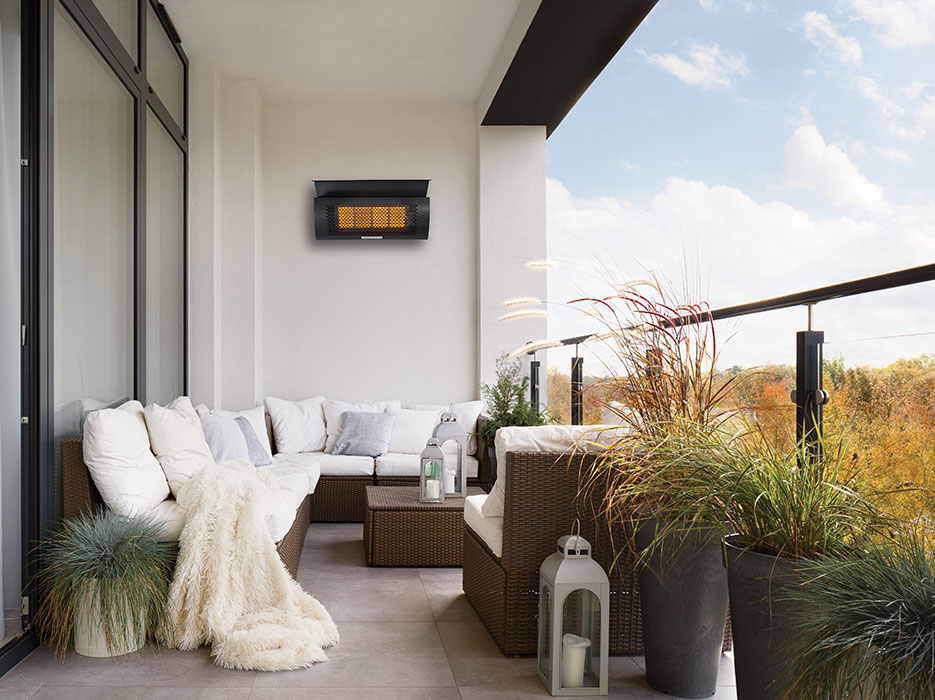
Wall-mounted heaters are a good choice when you want to keep floor space open. These are commonly used on patios, outdoor dining areas, and covered spaces with available wall structure.
Ceiling-Mounted Patio Heaters
Ceiling-mounted heaters can provide clean, overhead heating without taking up wall or floor space. They are often used in covered patios, pergolas, and commercial outdoor dining areas.
Portable Patio Heaters
Portable patio heaters offer flexibility for homeowners or businesses that need heat in different locations. They are convenient, but they may require more attention to fuel levels, clearances, and storage.
The Best Patio Heater for Your Situation
The best choice of patio heater will depend on your specific needs. There are several important factors you’ll need to consider when selecting the best option for your space. While this list is far from complete, it’s a good place to start.
Heating Requirements
Make sure your heater can adequately heat your space. A too-small heater will leave your guests cold and uncomfortable, and a heater that's too big can lead to overheating. If one heater won’t do the job, consider adding multiple heaters spaced far enough apart to maximize heating coverage.
If you’re adding multiple gas heaters to your outdoor space, you’ll also need to make sure you have an adequate gas supply to fuel all of your heaters. Again, you’ll want to hire a professional gas plumber to handle this process.
Open Patio vs. Covered Patio
Open patios are more exposed to wind, which can reduce the perceived warmth from any outdoor heating system. Gas patio heaters are often a strong choice for open outdoor spaces because they typically offer higher heat output.
Covered patios, screened spaces, and pergolas may benefit from electric patio heaters, especially when ventilation or gas line access is limited. Always confirm the heater is approved for the type of installation you have planned.
Safety
One of the primary details you’ll need to be aware of when installing a patio heater is distance to combustible materials like wood. Always follow the manufacturer’s installation guidelines to ensure proper safety.
In addition, look for units carrying UL listings, CSA approval, or other signs of quality assurance. These certifications signify the heater has undergone extensive testing for reliability and safety. Although certified units may cost slightly more on the front end, they will save you time and effort in maintenance costs later.
Finally, consider your control options for your patio heater. Whether you’re looking for a simple on/off switch, timer control, or some kind of remote capability, many heaters can be set up in multiple ways to meet the needs of your space.
How Much Area Can a Patio Heater Heat?
The amount of area a patio heater can warm depends on heat output, mounting height, exposure to wind, ceiling coverage, and the number of heaters installed. A small residential patio may only need one heater, while a large deck, pool area, or restaurant patio may require several heaters arranged for balanced coverage.
As a general rule, open spaces require more heat than covered or partially enclosed spaces. If you're heating a commercial space or a large patio, it is often better to plan for multiple heaters rather than relying on one oversized unit.
Are Patio Heaters Expensive to Operate?
Operating cost depends on fuel type, local energy rates, heater size, and how often the heater is used. Natural gas heaters are often affordable to operate for long periods of time when a gas line is available. Propane heaters provide flexibility, but fuel levels need to be monitored and refilled as needed.
Electric patio heaters can be cost-effective for targeted heating, especially in covered spaces where radiant heat can be directed efficiently. However, electricity rates and wattage requirements can affect long-term operating costs.
Popular Patio Heater Brands
For premium outdoor heating, Bromic and Heatstrip are among the most popular brands we carry.
Bromic heaters are known for powerful performance, modern styling, and commercial-grade outdoor heating options for both residential and hospitality spaces. Heatstrip specializes in sleek, low-profile electric heating solutions that blend well into covered patios, pergolas, and outdoor living spaces.
Outdoor Torches as a Complement to Patio Heaters
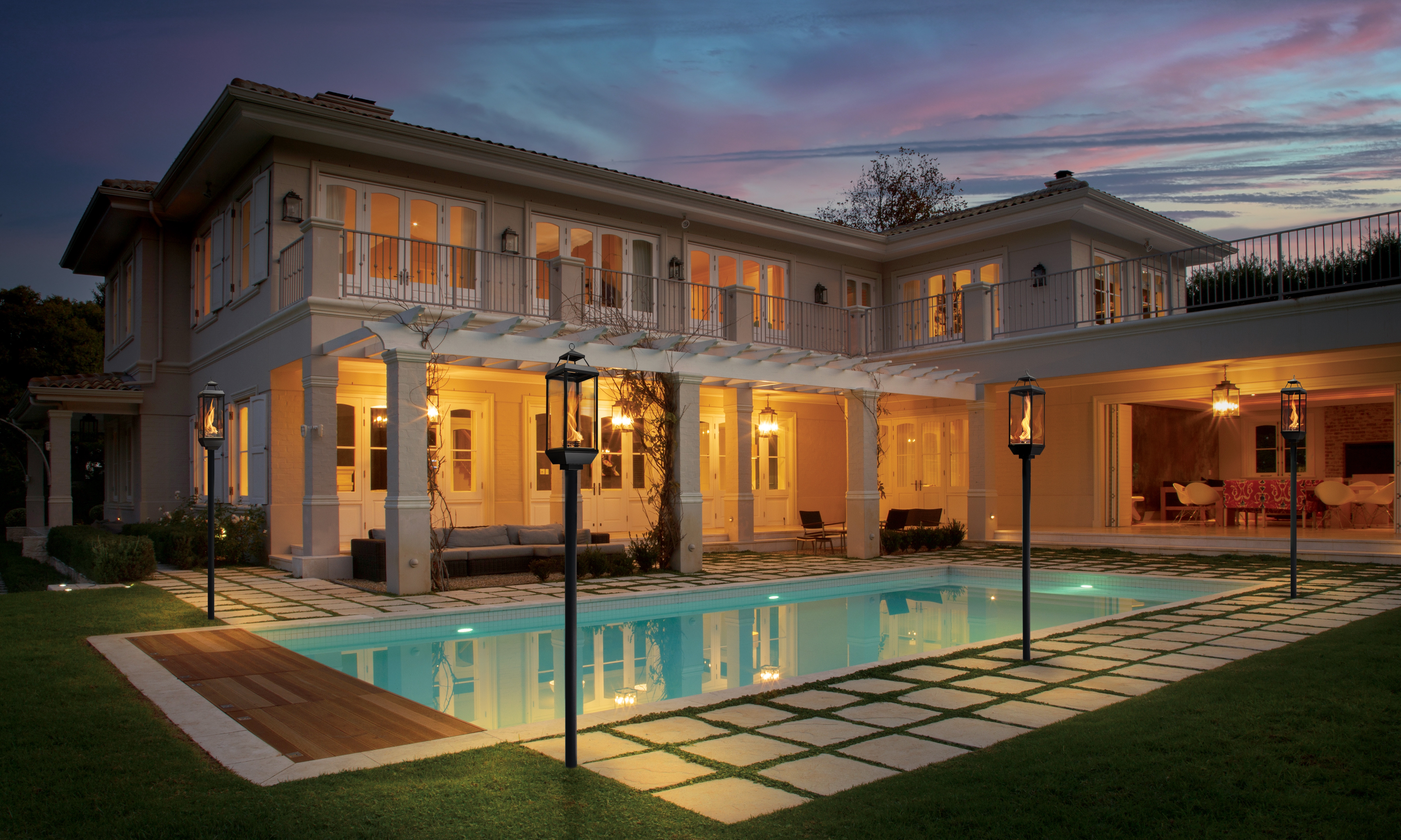
Patio heaters are designed primarily for warmth, but outdoor torches can add ambiance, movement, and visual interest to an outdoor space. While outdoor torches should not be treated as a replacement for patio heaters when heat output is the main goal, they can help define pathways, frame pool areas, enhance restaurant patios, and create a more inviting atmosphere.
For projects where both comfort and visual impact matter, outdoor torches can pair beautifully with patio heaters. Popular torch brands include Tempest Torch, HPC Fire, The Outdoor Plus, and Fire by Design.
Patio Heater Buying Checklist
Before purchasing an outdoor patio heater, review the following details to make sure the heater fits your space and installation requirements.
- Fuel Type: Decide whether gas or electric heating makes more sense for your space.
- Heating Area: Estimate the size of the area you need to warm.
- Mounting Style: Choose freestanding, wall-mounted, ceiling-mounted, or portable.
- Open or Covered Space: Match the heater to your patio layout and ventilation requirements.
- Power or Gas Access: Confirm whether electrical service or gas supply is available.
- Clearance Requirements: Review manufacturer guidelines for combustible materials.
- Controls: Decide whether you want a simple switch, timer, remote, or smart-control option.
- Residential or Commercial Use: Choose a heater built for the level of use your space requires.
Patio Heater FAQs
What type of patio heater produces the most heat?
Gas patio heaters typically produce the most heat and are often the best choice for open patios, larger spaces, and commercial outdoor dining areas.
Are electric patio heaters worth it?
Yes. Electric patio heaters are a great choice for covered patios, pergolas, screened spaces, and areas where gas lines are not available. They are also clean, quiet, and easy to control.
Are propane patio heaters portable?
Many propane patio heaters are portable, making them useful for spaces where permanent installation is not practical. Be sure to monitor propane levels and follow all clearance requirements.
Can patio heaters be used in covered patios?
Some patio heaters can be used in covered patios, but only when approved by the manufacturer and installed according to clearance and ventilation requirements. Electric heaters are often a strong choice for covered areas.
How many patio heaters do I need?
The number of patio heaters you need depends on the size of the space, heater output, mounting height, wind exposure, and desired comfort level. Larger or commercial spaces often require multiple heaters for even coverage.
Learn More About Patio Heaters
Choosing the right patio heater comes down to balancing fuel type, installation requirements, mounting options, heating coverage, and safety. Whether you're heating a small residential patio or a large commercial dining area, selecting the right heater can extend the outdoor season and make your space more comfortable year-round.
If you need help choosing the right product, planning your project, or finding compatible components, contact our product specialists for expert guidance.