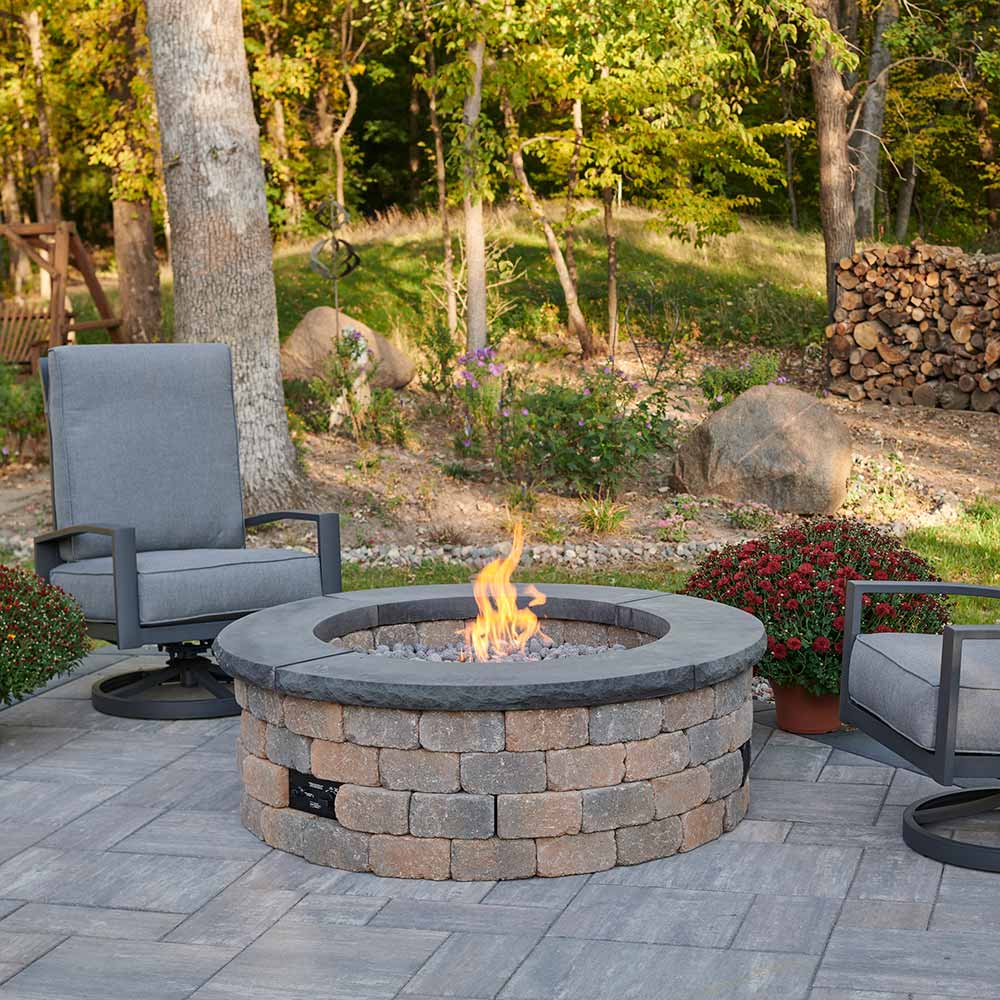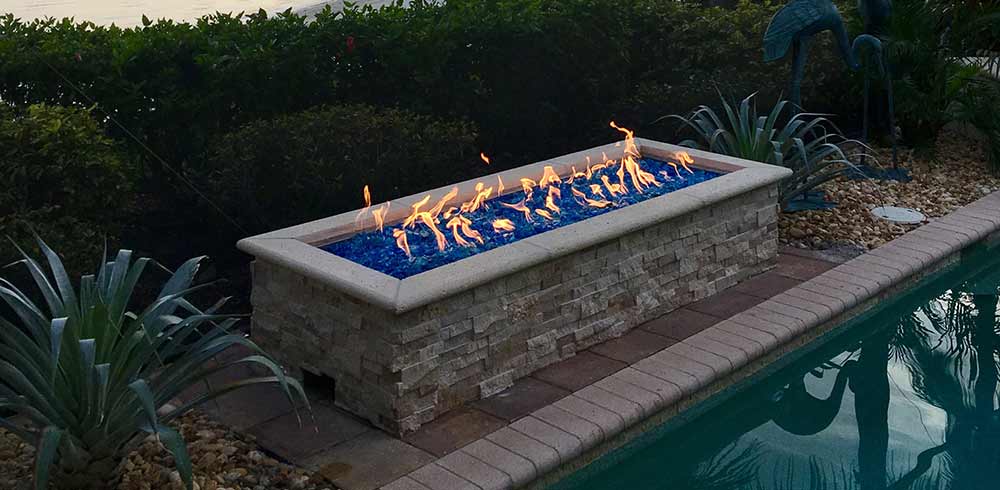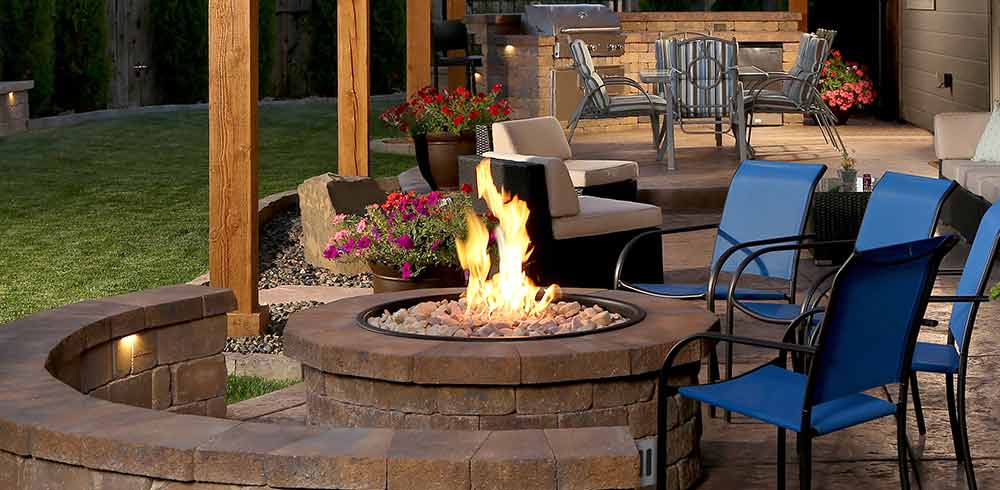
Most gas fire pit projects cost anywhere from several hundred dollars to several thousand depending on the burner system, ignition type, enclosure materials, fuel source, and installation requirements. Smaller propane fire pit projects are often the most budget-friendly, while larger custom fire pits with premium electronic ignition systems and natural gas lines typically cost more.
One of the biggest advantages of a gas fire pit is its flexibility. Whether you're planning a simple DIY propane setup or a fully customized built-in fire feature, there are ways to tailor your project to fit your budget and outdoor space.
In this guide, we’ll break down the major cost factors involved in building a gas fire pit, including burners, ignition systems, fuel supply options, enclosure materials, accessories, and installation considerations.
| Component | Typical Cost Range | Notes |
|---|---|---|
| Burner Kit | $100-$2,000+ | Depends on material, size, and ignition type |
| Gas Line Installation | $15-$25 per foot | Professional installation usually required |
| Enclosure Materials | Varies widely | Concrete, pavers, brick, and stone all vary in cost |
| Fire Media | $50-$500+ | Fire glass costs more than lava rock |
| Accessories | $50-$1,000+ | Covers, wind guards, timers, remotes, and more |
Typical Gas Fire Pit Project Costs
| Project Type | Estimated Range | Typical Setup |
|---|---|---|
| DIY Propane Fire Pit | $500-$2,000 | Match light burner + propane tank + simple enclosure |
| Mid-Range Built-In Fire Pit | $2,000-$6,000 | Natural gas line + custom enclosure + upgraded burner |
| Premium Custom Fire Pit | $6,000+ | Electronic ignition + premium finishes + advanced controls |
Fuel Supply
The type of fuel you choose can significantly affect the overall cost of your gas fire pit project.
| Fuel Type | Advantages | Considerations |
|---|---|---|
| Propane | Portable and easier to install | Requires tank refills and has BTU limitations |
| Natural Gas | Continuous fuel supply | Requires professional gas line installation |
The most affordable way to build a gas fire pit is usually with a standard 20-pound propane tank similar to the type used with propane grills. However, propane tank setups generally limit you to burners under 125,000 BTUs, such as this 18-inch Penta Burner Kit.
Larger fire pits often require a natural gas connection. Running a gas line typically costs between $15 and $25 per foot depending on pipe size, installation complexity, labor costs, and local code requirements.
DIY vs. Professional Installation
Some gas fire pit projects are relatively DIY-friendly, while others require licensed professionals.
- DIY-friendly projects: Propane fire pits with match light ignition systems and prefabricated enclosures are often easier for homeowners to install.
- Professional installation: Natural gas line installation, electronic ignition systems, and custom masonry work typically require licensed contractors or electricians.
- Permits and local codes: Depending on your area, gas lines and electrical work may require inspections or permits.
If you're planning a custom build, consulting a professional early in the process can help prevent unexpected installation costs later.
Enclosure Size and Construction

The size and material of your fire pit enclosure can dramatically affect total project cost.
Paver kits sourced locally are often the most cost-effective option because they reduce shipping expenses and simplify installation. More premium materials like natural stone, concrete, or custom masonry generally increase labor and material costs.
Another popular option is using an unfinished enclosure kit. These prefabricated structures provide the framework for your fire pit while allowing you to customize the exterior finish with tile, stone, stucco, or brick.
If you're trying to balance customization with installation simplicity, ready-to-finish enclosures are often an excellent middle-ground solution.
Fire Pit Burner Options
The burner system is one of the most important components of your fire pit and can significantly affect both cost and long-term durability.
Stainless Steel Burners

Stainless steel burners are the most common burner option because they offer an excellent balance between affordability, durability, and corrosion resistance.
These burners work well for most residential installations and can last many years with proper maintenance.
Brass Burners

Brass burners are the premium burner option thanks to their exceptional corrosion resistance and longevity.
Although brass burners cost more upfront, they are often the best long-term option for coastal climates and demanding outdoor conditions.
For a deeper comparison, read our guide on stainless steel vs. brass burners.
Steel Burners

Steel burners are generally less expensive but do not offer the same long-term corrosion resistance as stainless steel or brass burners.
Unless your project has very specific requirements, we typically recommend stainless steel or brass for better long-term durability.
Ignition Type
Fire pit ignition systems range from basic match-lit burners to advanced electronic ignition systems with remote controls and automatic flame monitoring.
| Ignition Type | Cost Range | Best For |
|---|---|---|
| Match Light | $100-$1,000 | Budget-friendly and reliable setups |
| Spark Ignition | Mid-range | Convenience without full electronic upgrades |
| Electronic Ignition | $1,000+ | Luxury installations and remote operation |
Match light burner kits remain one of the most popular options because they are reliable, simple, and relatively inexpensive.
Meanwhile, electronic ignition systems offer premium convenience with push-button operation, remote controls, flame sensing, and automatic shutoff systems.
For homeowners wanting a middle-ground solution, battery-powered spark ignition systems can provide easier startup without the complexity of full electronic ignition.
If you need help comparing ignition systems, our product specialists can help you narrow down the best option based on your budget and installation goals.
Cheapest Way to Build a Gas Fire Pit
If keeping costs low is your top priority, the most affordable approach is usually:
- 20-pound propane tank setup
- Match light ignition kit
- Small stainless steel burner
- Simple paver enclosure
- Lava rock media instead of fire glass
This type of setup can provide an attractive and functional fire feature without the higher costs associated with custom masonry, electronic ignition systems, or large natural gas installations.
Fire Pit Media

Fire pit media is required for gas fire pits, and the two most common options are lava rock and fire glass.
Lava rock offers a more natural appearance and is generally more affordable. Meanwhile, fire glass provides a cleaner, more contemporary look with a wide variety of color options.
Fire glass also tends to last longer over time, while lava rock may eventually need replacement after years of exposure and heating cycles.
Fire Pit Accessories

Fire pit accessories can improve convenience, safety, and long-term durability.
- Wind guards help protect flames in windy areas and improve safety around children and pets.
- Timers, remotes, and wall switches simplify operation for electronic ignition systems.
- Protective covers help reduce weather exposure and debris buildup.
Commercial installations may also require emergency shutoff systems or automatic timers depending on local regulations.
Fire Tables vs. Custom Fire Pits

If you want a simpler installation process, gas fire tables can be an excellent alternative to fully custom fire pits.
Fire tables typically arrive ready to use with integrated burners and enclosures, making them easier to install than custom masonry projects.
They also offer dual functionality as both a fire feature and outdoor table, which can be especially useful for patios with limited space.
How Long Does a 20-Pound Propane Tank Last?

A standard 20-pound propane tank contains roughly 430,000 BTUs of fuel capacity.
To estimate burn time, divide 430,000 by your burner’s BTU rating. For example, a 65,000 BTU burner running at full power would typically provide around 6.5 hours of burn time.
Most propane-compatible burners for smaller fire pits range between 65,000 and 100,000 BTUs, resulting in approximately 4.5 to 6.5 hours of runtime on high.
Frequently Asked Questions
Is a gas fire pit cheaper than wood?
Gas fire pits are often more expensive upfront but can offer lower long-term maintenance, easier operation, and cleaner performance compared to wood-burning fire pits. Wood-burning fire pits typically cost less initially, but ongoing wood purchases and cleanup can add up over time. Weighing upfront cost against long-term convenience can help determine which option fits your budget best.
Are electronic ignition systems worth it?
Electronic ignition systems are worth considering if convenience and premium operation are priorities. They allow push-button startup and often include safety monitoring features. Many systems also integrate with remotes or wall switches for added ease of use. For frequent use or higher-end installations, the added cost often pays off in day-to-day convenience.
Does fire glass increase project cost?
Final Thoughts
The total cost of a gas fire pit depends on several key factors including fuel type, enclosure materials, burner system, ignition style, and installation complexity. Budget-friendly propane fire pits can provide an affordable entry point, while premium custom fire features offer advanced controls, larger burners, and high-end finishes. Understanding where to prioritize upgrades can help you build a fire pit that balances performance, appearance, and long-term value. If you need help choosing the right burner, ignition system, enclosure kit, or accessories for your project, contact our product specialists for expert guidance.