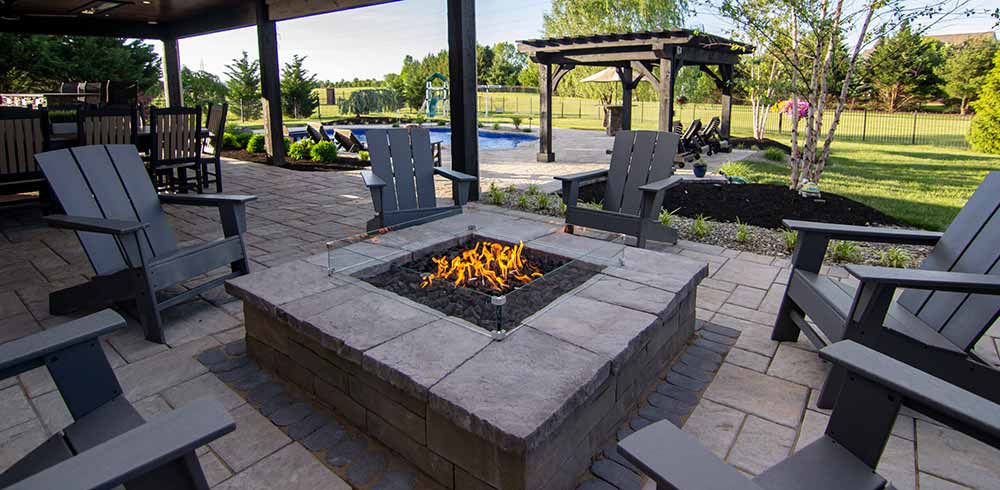
Building a gas fire pit starts with four key decisions: your budget, local building codes, fuel type, and fire pit size. Planning these details before construction begins helps prevent costly installation mistakes and ensures your fire pit kit performs safely and efficiently.
A well-designed fire pit can become the centerpiece of your outdoor space, but the best results start with careful planning. Building a fire pit doesn’t have to be complicated. We’ve put together this comprehensive guide to show you how to turn your dream backyard fire feature into a reality.
This fire pit kit buying guide will cover everything you need to consider before you make your first purchase from us. When you’re finished, you’ll have the information you need to start exploring our best fire pit kit options with confidence.
At a glance, the steps are as follows:
- Determine Your Budget
- Check Your Local Building Codes
- Decide on Your Fuel Supply
- Plan the Size & Shape of Your Fire Pit
What to Consider When Designing Your Fire Pit


Determine Your Construction Budget
Always create a budget for your fire pit project before you get too far into the design stage. Even if your numbers are only rough estimates, you should know what you want to spend before choosing your fire pit kit, burner, ignition system, media, enclosure materials, and installation support.
Fire pit kits can vary in price considerably depending on size, burner style, ignition type, fuel source, and construction materials. You’ll want to account for your full construction budget early so costs don’t balloon unexpectedly over the course of your build.
This isn’t just material costs, either. In nearly all cases, you will want to bring in a professional gas technician if you’re doing anything more than connecting to a 20-pound propane tank. Professional installation may add upfront cost, but it can help you avoid expensive corrections later.
Common Fire Pit Budget Items
- Fire pit kit or burner system
- Gas line installation or propane setup
- Ignition system
- Fire pit media, such as lava rock or fire glass
- Block, stone, concrete, or other enclosure materials
- Ventilation components
- Labor from a gas professional, contractor, or hardscape installer

Check Your Local Building Codes
Before getting too far into your fire pit planning process, review any local codes related to fire pit construction. Most areas have relatively simple guidelines to follow, but it’s never safe to assume. Buying a fire pit, installing components, and then having to modify your design after the fact due to local codes can be a costly mistake.
Local requirements may affect where your fire pit can be placed, how far it must sit from structures or property lines, what type of fuel you can use, and whether a permit is required. Homeowner association rules may also apply, especially in neighborhoods with shared outdoor spaces or strict design guidelines.
If you’re unsure what applies to your project, check with your local authority having jurisdiction before installation begins.

Choose Your Fuel Supply
Gas can be tricky to work with, whether you’re using propane or natural gas to fuel your fire pit. That’s why we recommend working with a professional during this part of the process. Too much gas pressure to your fire pit can create what’s commonly described as a whistling noise. Too little gas pressure can result in a weak flame.
It’s always easier to get it right the first time with gas lines. One of the worst things you can do is lay the gas line, especially under a concrete or hardscape patio, before you determine what gas supply your fire pit burner requires. The price of relaying a gas line can cost more than the rest of the project combined, so consult a qualified gas professional before reaching this step.

As you begin to work with a gas plumber, clearly communicate how large you want your fire pit to be and what size fire pit burner you’d like to use. These details help determine the necessary BTU output and gas supply your installer needs to account for.
Gas pipe material, pipe diameter, and the distance the gas line must travel from the source to the fire pit are all important factors. Pipe diameter, for example, is one of the largest determinants of how many BTUs you’ll have available at the fire pit location.
Natural Gas vs. Propane Fire Pit Supply
| Fuel Type | Recommended Supply Pressure | Best For | Planning Notes |
|---|---|---|---|
| Natural Gas | 3.5 to 7 inches of water column | Permanent fire pits connected to a home gas line | Requires proper gas line sizing based on burner BTU demand and distance from the source. |
| Propane | 8 to 11 inches of water column | Portable or permanent fire pits using propane tanks | May require an air mixer and proper ventilation because propane is heavier than air. |
Please note, both of these pressures should be available at the fire pit location and not only at the source. Gas pressure will drop the farther it travels from its source.
What to Give Your Gas Installer
Before your installer sizes the gas line, be ready to provide a few important details:
- The type of fuel you plan to use: natural gas or propane
- The approximate size and shape of your fire pit
- The burner size and BTU rating
- The distance from the gas source to the fire pit location
- The type of ignition system you plan to use
- Any hardscape, patio, or enclosure plans that may affect access
Plan the Size & Shape of Your Fire Pit
Once your budget, code requirements, and fuel supply are understood, you can begin planning the size and shape of your fire pit. This is where your design starts to come together, but it should still be guided by the technical requirements of your burner and gas supply.
The size of your fire pit should match the scale of your outdoor space, the seating area around it, and the burner system you plan to install. A fire pit that is too small may feel underwhelming in a large patio, while an oversized fire pit can overpower a smaller space or require more gas capacity than your line can support.
Common Fire Pit Shapes
- Round fire pits: Great for conversation areas and traditional seating layouts.
- Square fire pits: A clean, modern option that works well with sectional seating or symmetrical patios.
- Rectangular fire pits: Ideal for longer seating areas, outdoor sofas, and linear patio designs.
- Custom & Unique fire pits: Best for unique hardscape projects or commercial outdoor spaces.
As you compare options, make sure your selected burner fits the shape and dimensions of your enclosure. You’ll also need room for the burner pan, media, gas connections, ventilation, and service access.
Consider Fire Pit Accessories Early in the Design Process
As you plan your fire pit project, it’s also worth considering accessories that can improve performance, safety, and long-term durability. A glass wind guard can help stabilize the flame in breezy conditions while adding an extra layer of protection around the burner area. Likewise, a properly fitted fire pit cover can help protect your burner, ignition system, and fire media from moisture, debris, and weather exposure when the fire pit is not in use. Planning for these accessories early can help ensure your fire pit looks great and performs reliably for years to come.
Common Fire Pit Planning Mistakes to Avoid
A fire pit project can quickly become more expensive when key decisions are made in the wrong order. Before construction begins, avoid these common mistakes:
- Installing the gas line too early: Always confirm burner size and BTU requirements before running gas lines.
- Ignoring local codes: Clearance, fuel type, and placement rules can vary by location.
- Choosing an undersized gas line: A line that cannot supply enough BTUs may produce a weak flame.
- Forgetting ventilation: Proper ventilation is especially important for propane fire pits and enclosed bases.
- Overlooking service access: Valves, ignition systems, and gas connections should remain accessible for maintenance.
- Choosing style before function: The enclosure design should support the burner, fuel type, and installation requirements.
Frequently Asked Questions about Fire Pit Kits
Final Thoughts
Building a fire pit starts with smart planning. By setting your budget, checking local codes, choosing the right fuel supply, and sizing your fire pit correctly, you can create a safer, better-performing outdoor fire feature that fits your space. If you need help choosing the right product, planning your project, or finding compatible components, contact our product specialists for expert guidance.